Start With Gateway Cities and Airport Codes
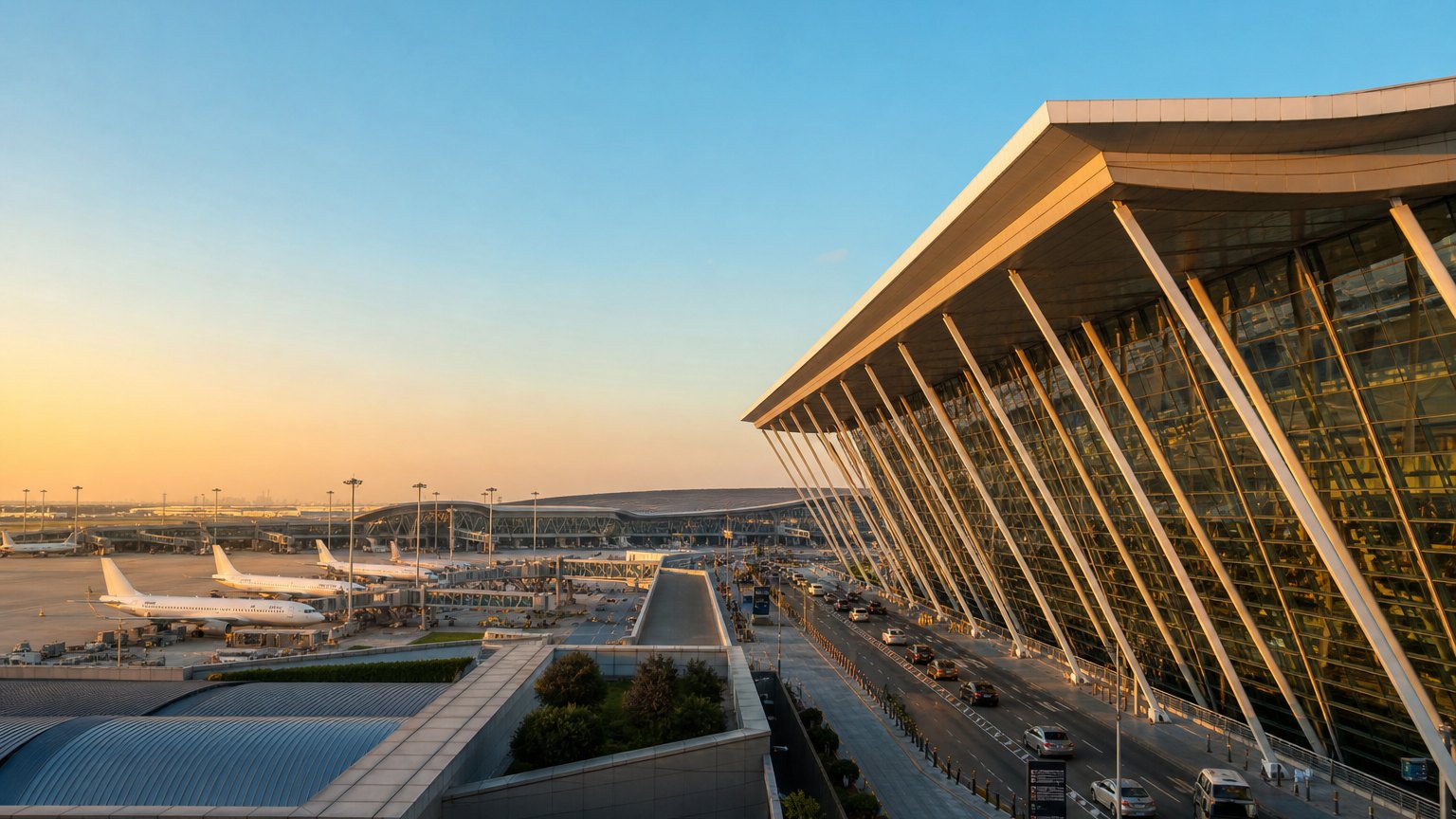
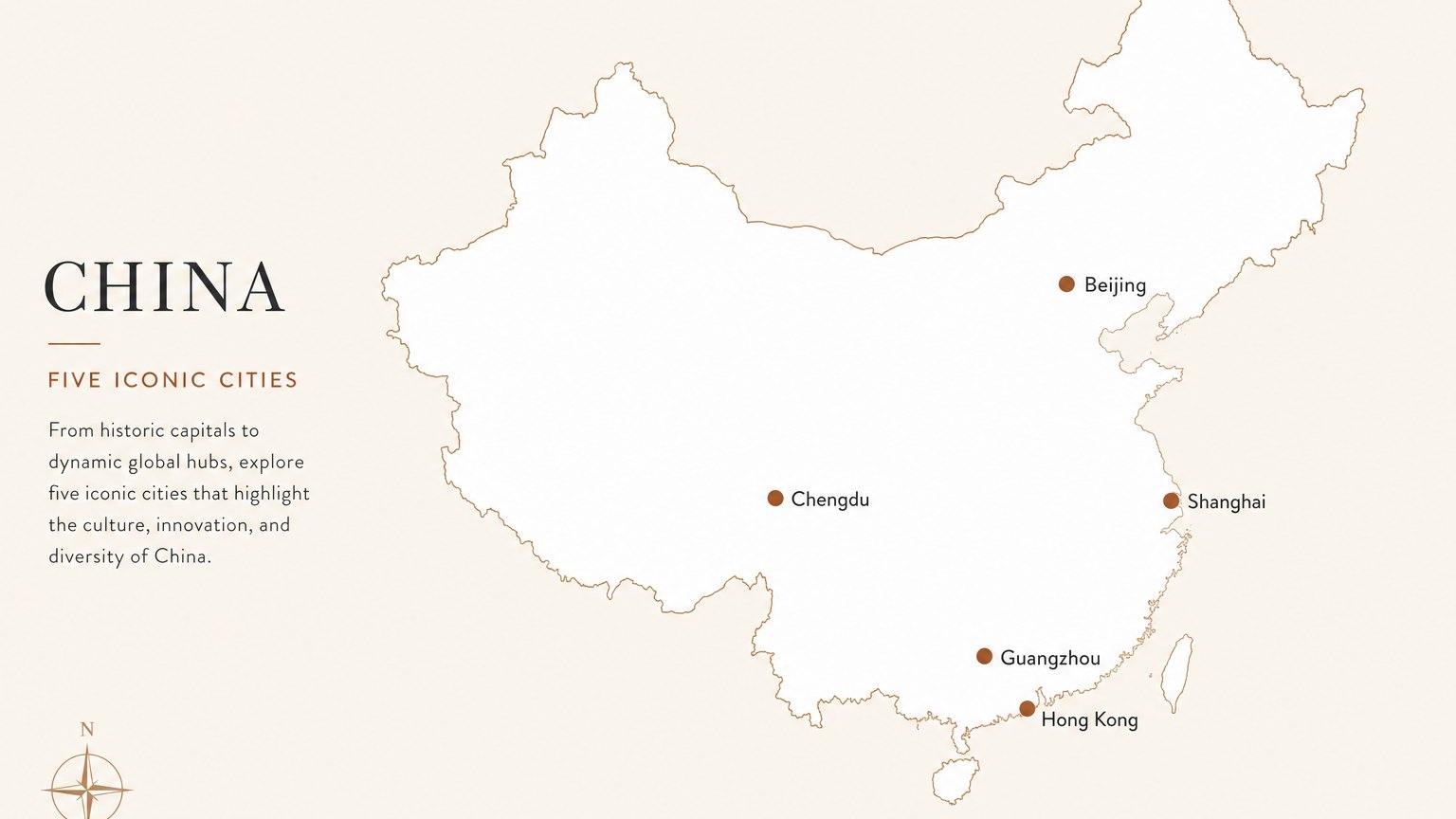
Most first landings in China go through a short list of gateway cities: Beijing, Shanghai, Guangzhou, Chengdu, and connections via Hong Kong. From there you fan out by domestic flight or high-speed rail.
Two habits save taxis and time. Learn the IATA code, not only the city name. In dual-airport cities, read the ticket twice. A search that says Beijing or Shanghai is not finished until the three-letter code is the one you meant.
Tickets and fare rules sit in How to Book China Flights. Route choice, including when a plane is the wrong tool, sits in When to Fly in China. This page is about the physical door you walk through.
How to Choose a Gateway
Ask three questions before you buy the long-haul ticket:
- Where do I sleep the first night and the last night?
- Do I continue by flight or by train?
- Does that city have a dual-airport trap?
If the onward plan is rail-heavy, such as a Beijing, Xi'an, and Shanghai loop, landing near a strong high-speed-rail connection can beat a slightly cheaper fare into the wrong side of town. If the onward plan is western China or a long domestic air leg, prioritize hubs with dense domestic banks: Chengdu, Chongqing, Kunming, Guangzhou, and Shenzhen are the names that come up most often on those maps.
Match the hotel neighborhood to the airport side you will actually use. Do not book a north-side hotel for a south-side airport on a short first day.
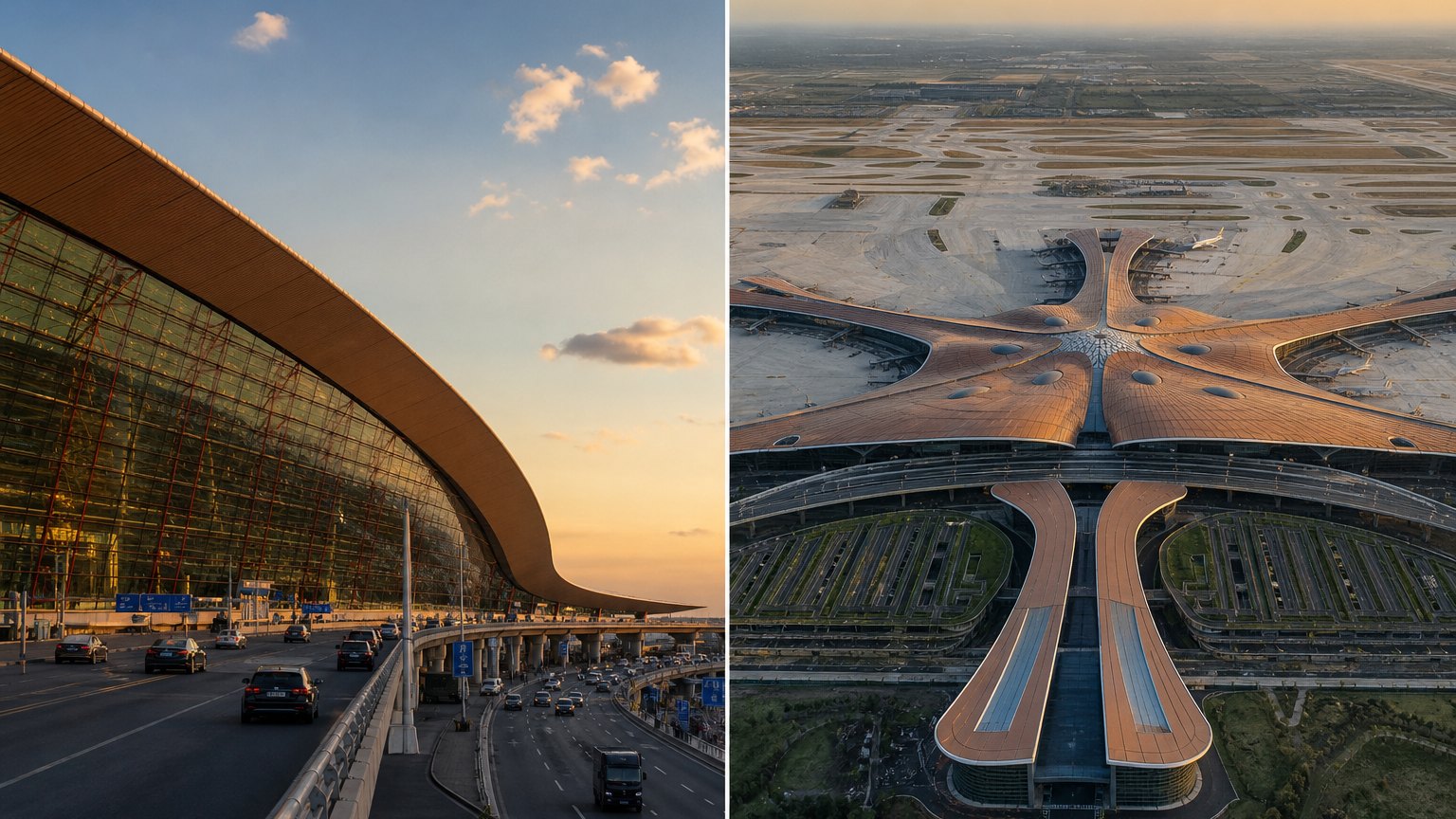
Beijing: PEK Versus PKX
Beijing has two international airports. They are not interchangeable, and a same-day hop between them is a cross-city transfer, not a casual taxi ride.
- PEK, Beijing Capital International Airport, is the long-standing international gateway, with a north and northeast city logic.
- PKX, Beijing Daxing International Airport, is the newer mega-hub on the south side, with a growing mix of international and domestic flights.
Never assume a Beijing search result can be swapped at the last minute. If you arrive at PEK and depart from PKX the same day, budget serious road time. Align hotels and railway stations with the side you actually use.
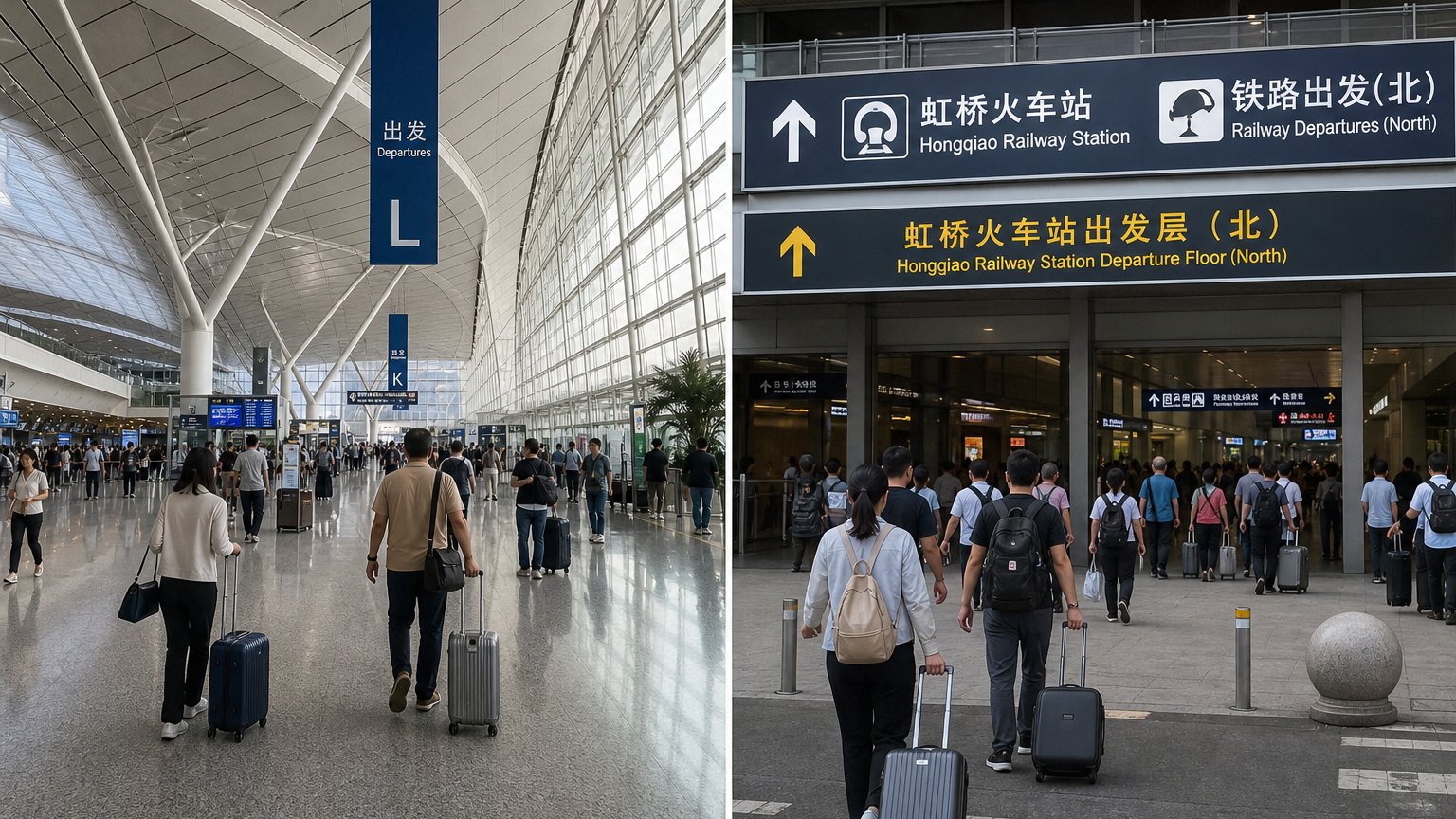
Shanghai: PVG Versus SHA
Shanghai also splits traffic across two codes.
- PVG, Shanghai Pudong International Airport, is the main long-haul international gateway.
- SHA, Shanghai Hongqiao International Airport, sits closer to many downtown hotels. It handles heavy domestic traffic and some regional flights, and it sits next to Hongqiao Railway Station.
PVG to SHA transfers need a real plan. If you want a plane-to-train handoff, SHA plus Hongqiao Railway Station is the classic combination. If you arrive long-haul at PVG, either sleep in Pudong or on a metro line that serves that airport, or leave extra time before any tight SHA domestic departure. Do not treat the two Shanghai airports as one campus.
Other Hubs You Will Actually Use
Beyond Beijing and Shanghai, a first China tour often touches a second tier of hubs. Store the code, the terminal if your ticket shows one, and the hotel area that matches that airport.
- CAN, Guangzhou Baiyun, and SZX, Shenzhen Bao'an, cover the Pearl River Delta with both air and rail options, and they sit near Hong Kong connections.
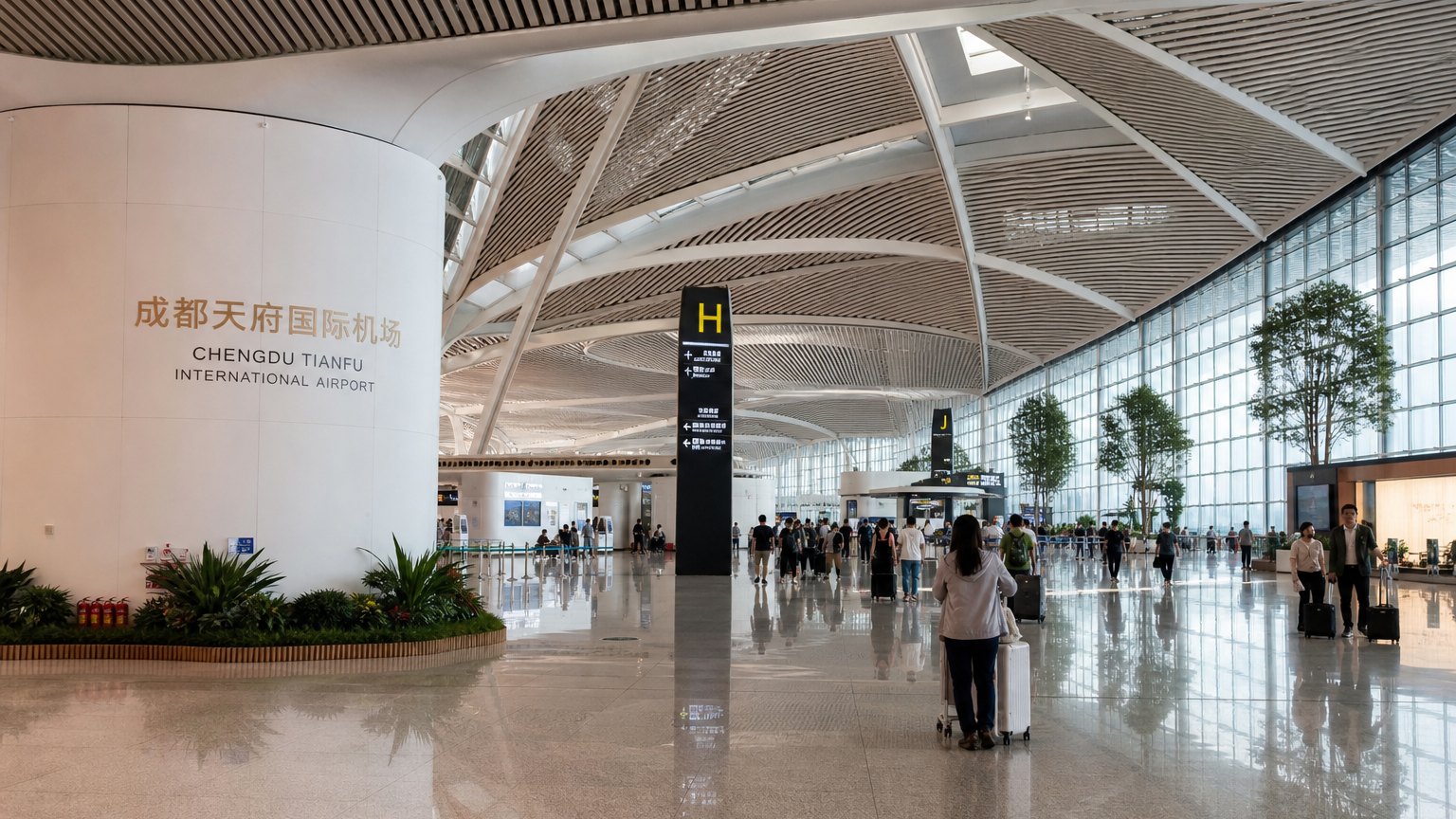
- CTU and TFU are the two Chengdu airports. West China air traffic often starts here. Read which Chengdu code is on the ticket.
- CKG Chongqing, KMG Kunming, XIY Xi'an, HGH Hangzhou, NKG Nanjing, and WUH Wuhan are frequent domestic pivots on tourism circuits.
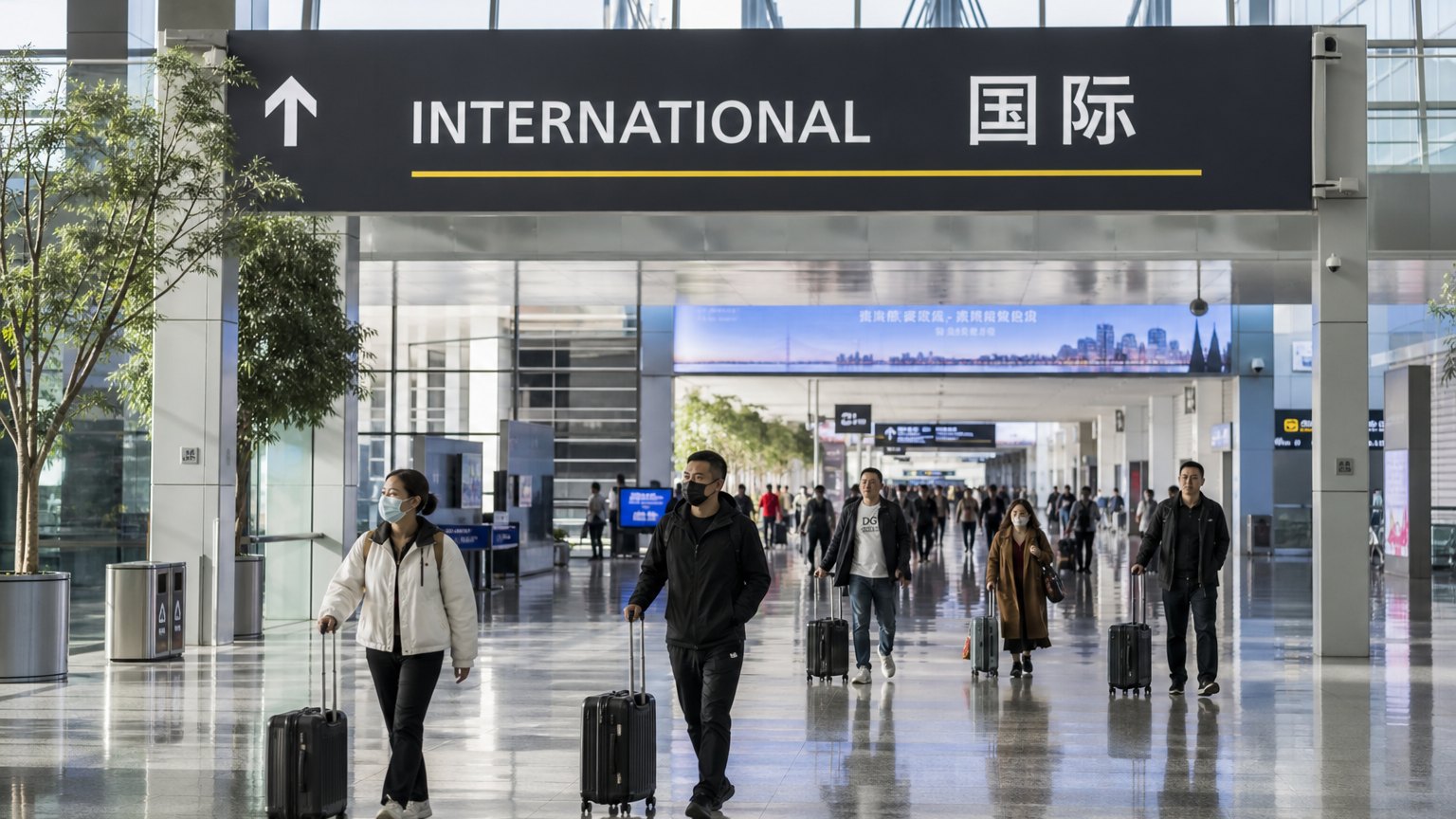
- HKG Hong Kong uses a separate immigration system and a strong long-haul network into the region. Treat it as a different border, not as a domestic Chinese airport. Confirm the path in the China visa-free entry guide.
From Landing to the City
For most travelers, the ground plan follows this order:
- Airport express or metro, which stays predictable when roads clog.
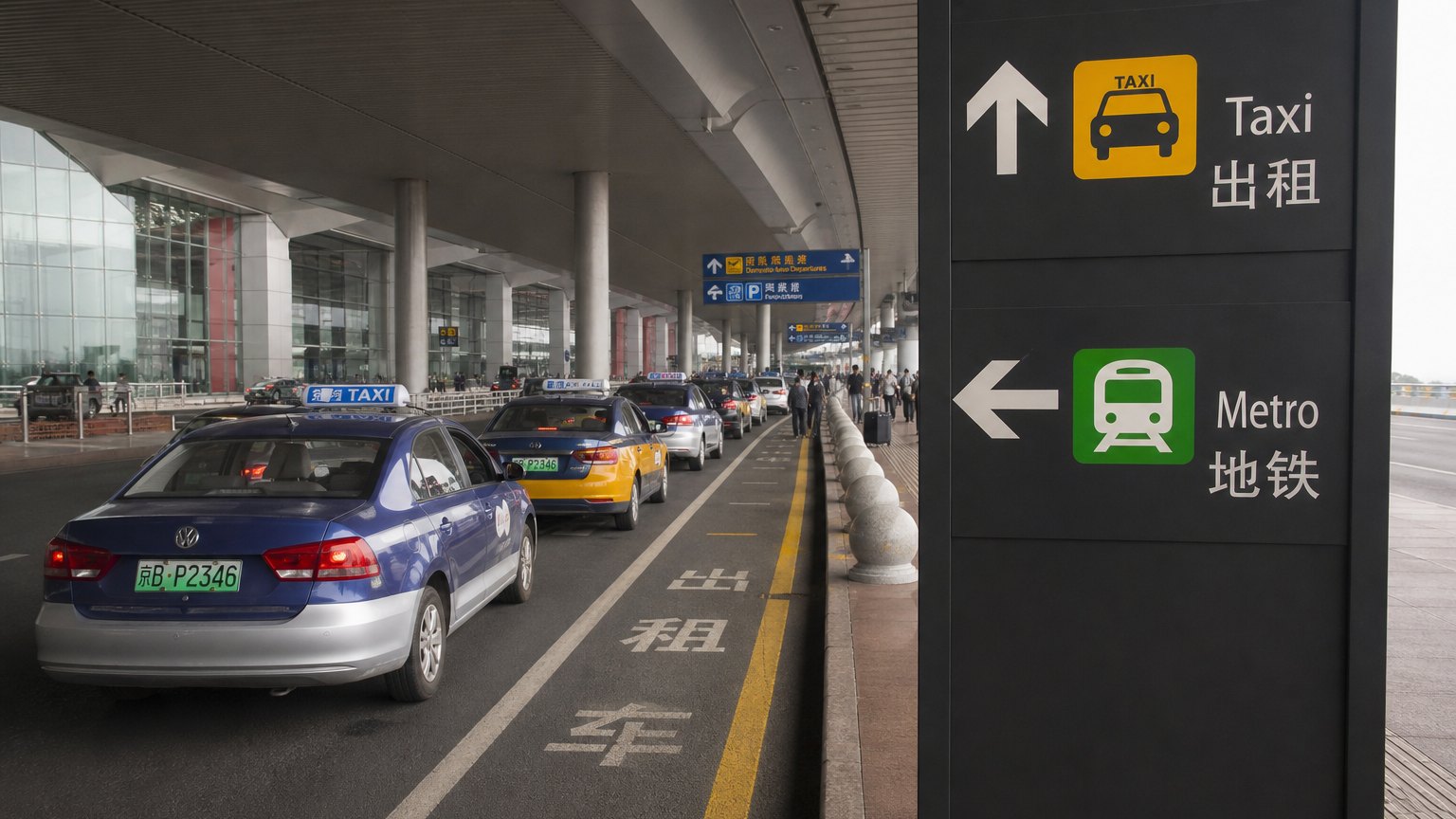
- Official taxi or ride-hailing pickup zones. Follow signed lots and ignore lobby touts.
- Hotel car, which earns its keep after an ultra-long-haul flight with heavy bags.
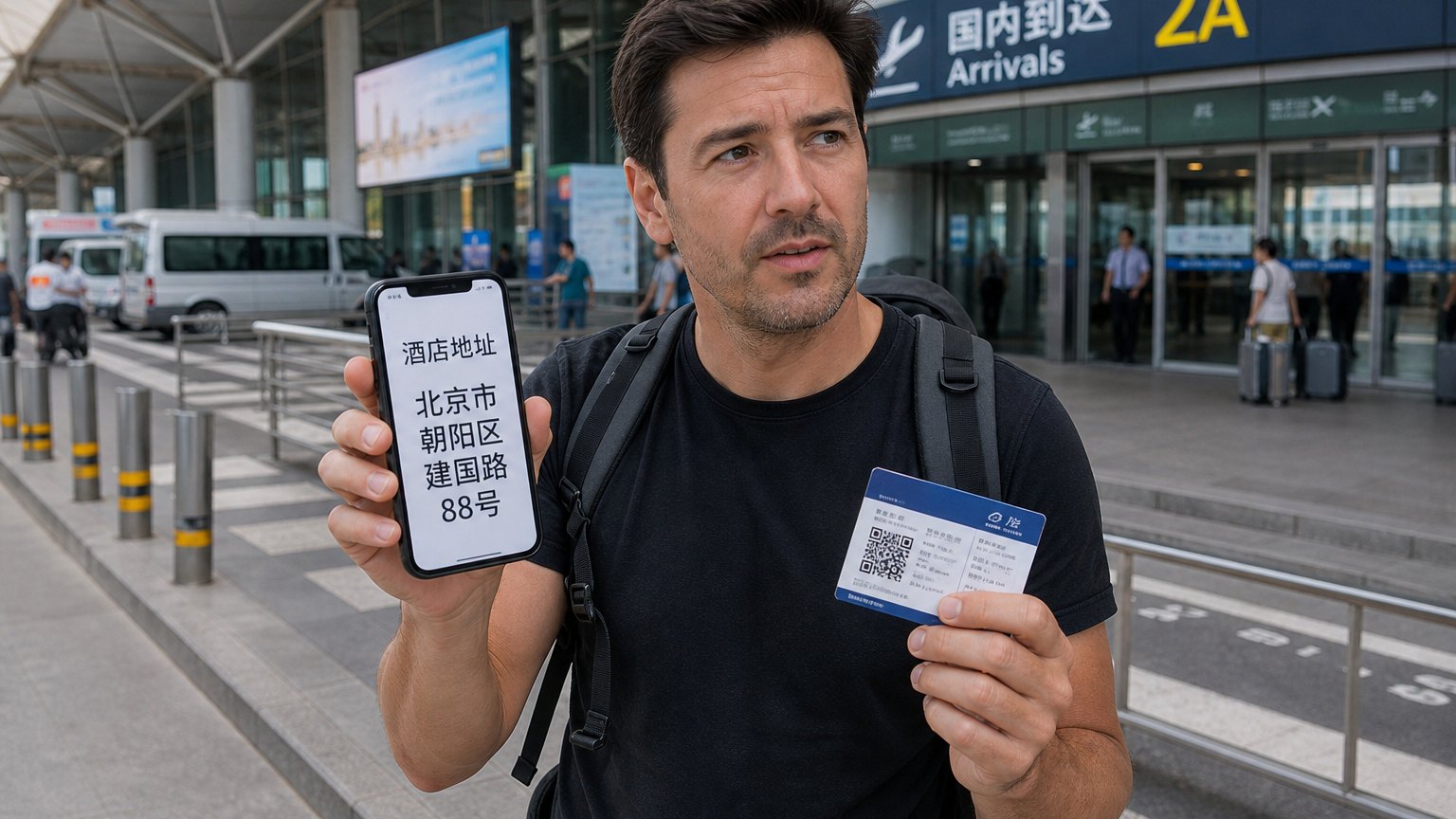
Keep some currency or a working mobile-pay method ready. Save the hotel's Chinese address on your phone before you leave the jet bridge. Immigration, customs, and personal baggage limits sit in China Entry and Exit Rules. If the next move is a train, compare airport-to-station time against flying that next domestic leg. A SHA and Hongqiao combination often beats a second short flight.
Buy a local SIM or change money only at official counters if you need them. If you miss a connection, go to the airline transfer desk with the PNR in hand, not to the tourist information desk.
Airport Day Checklist
Before you leave home, pin these four points offline:
- Ticket codes match the airport you meant.
- The hotel side matches the airport side.
- The onward rail-versus-flight choice is already decided.
- The ground transfer is saved as a screenshot, not only in a browser tab.
Place those hubs on the itinerary next in When to Fly in China: which legs deserve a plane, and which legs belong on high-speed rail.