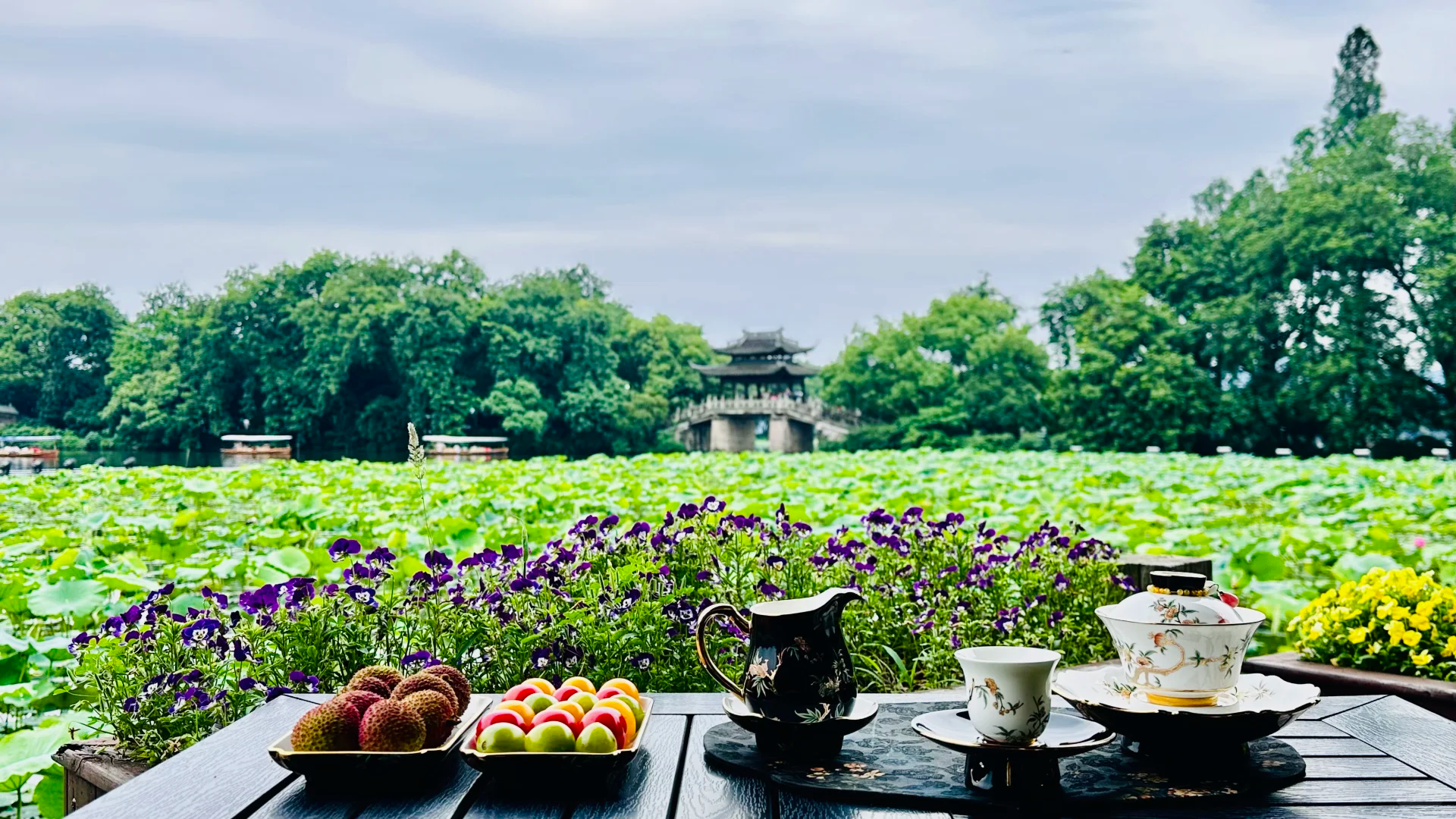
In China, tea is a daily drink and a regional way of showing welcome. The same leaf tradition looks very different beside Hangzhou’s West Lake than it does on the Tibetan Plateau. One cup is light, green, and served in glass. The other is salted, churned with yak butter, and kept warm for guests.
This guide follows that contrast for overseas travelers: Longjing (Dragon Well) green tea around Hangzhou, and Tibetan butter tea (po cha) in highland homes and teahouses. Use it to decide which tasting belongs on your dates, not as a catalog of invented tours. Spring harvest notes sit in Best Time to Visit China. Lhasa monastery manners sit in Temple Etiquette in China.
Hangzhou Longjing and Eastern Tea Philosophy
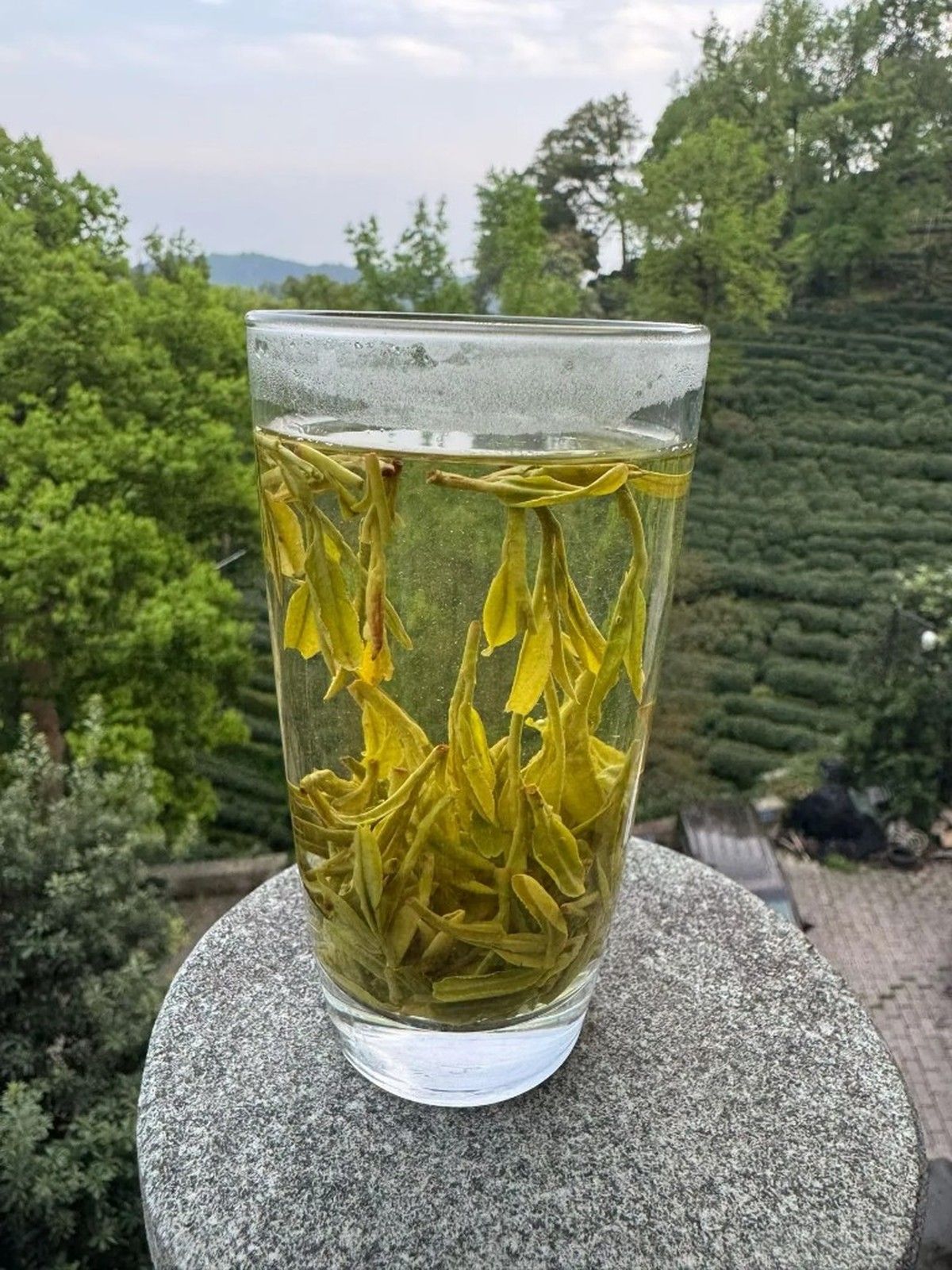
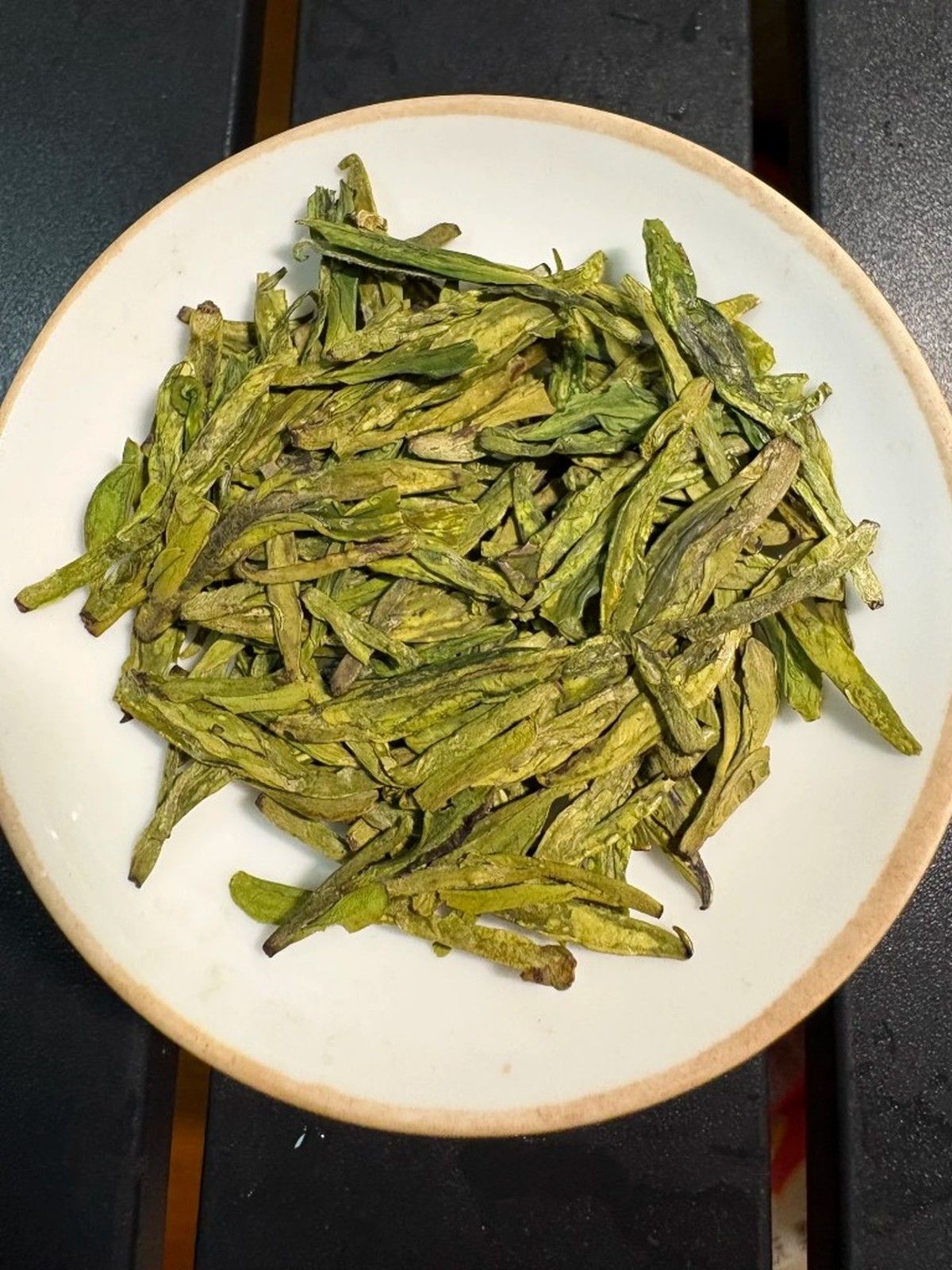
Hangzhou is widely treated as China’s green-tea capital. Longjing, or Dragon Well tea, is the local name travelers meet first. Leaves are typically flat and sword-shaped, with a jade color in the cup and a gentle, slightly nutty sweetness rather than a heavy floral punch.
Tea here is tied to quiet hospitality: a host pours for a guest, then both watch the leaves open. In eastern China that ritual has long sat beside Taoist and Confucian ideas of calm, proportion, and respect for the landscape. You are not expected to perform a full ceremony on a garden walk. You are expected to sit, sip slowly, and not rush the pour.
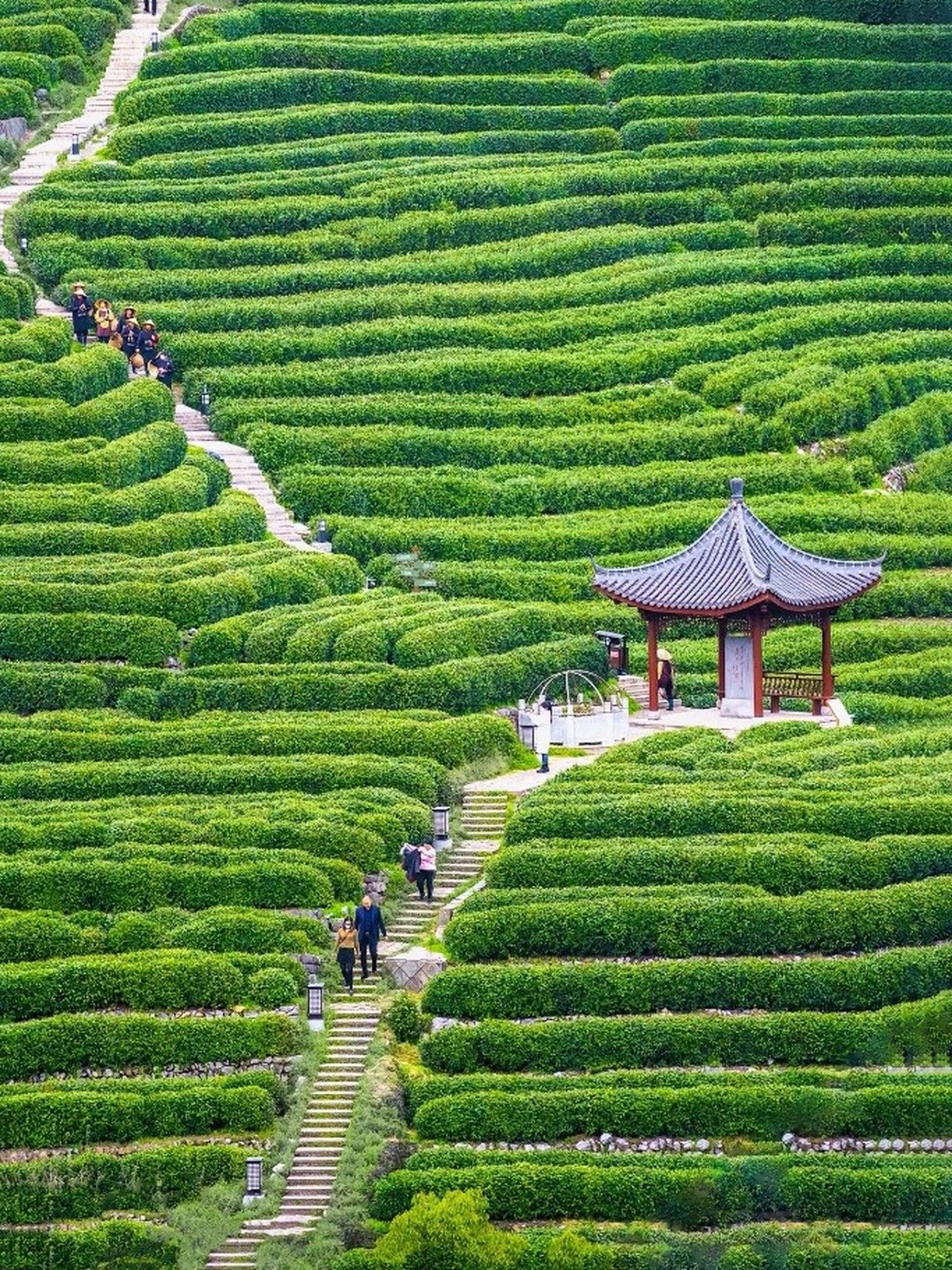
West Lake is the usual pairing. Tea villages sit in the hills behind the water, so a Hangzhou day often joins a lakeside walk with a plantation stop. We can custom-build a Hangzhou day trip from a Shanghai stay; start with the Shanghai Travel Guide and ask us to write in a Longjing morning. Published east-China routes that already include Hangzhou include the 7-Day East China Tour: Shanghai to Hangzhou and the 12-Day China Highlights Tour: Shanghai to Beijing.
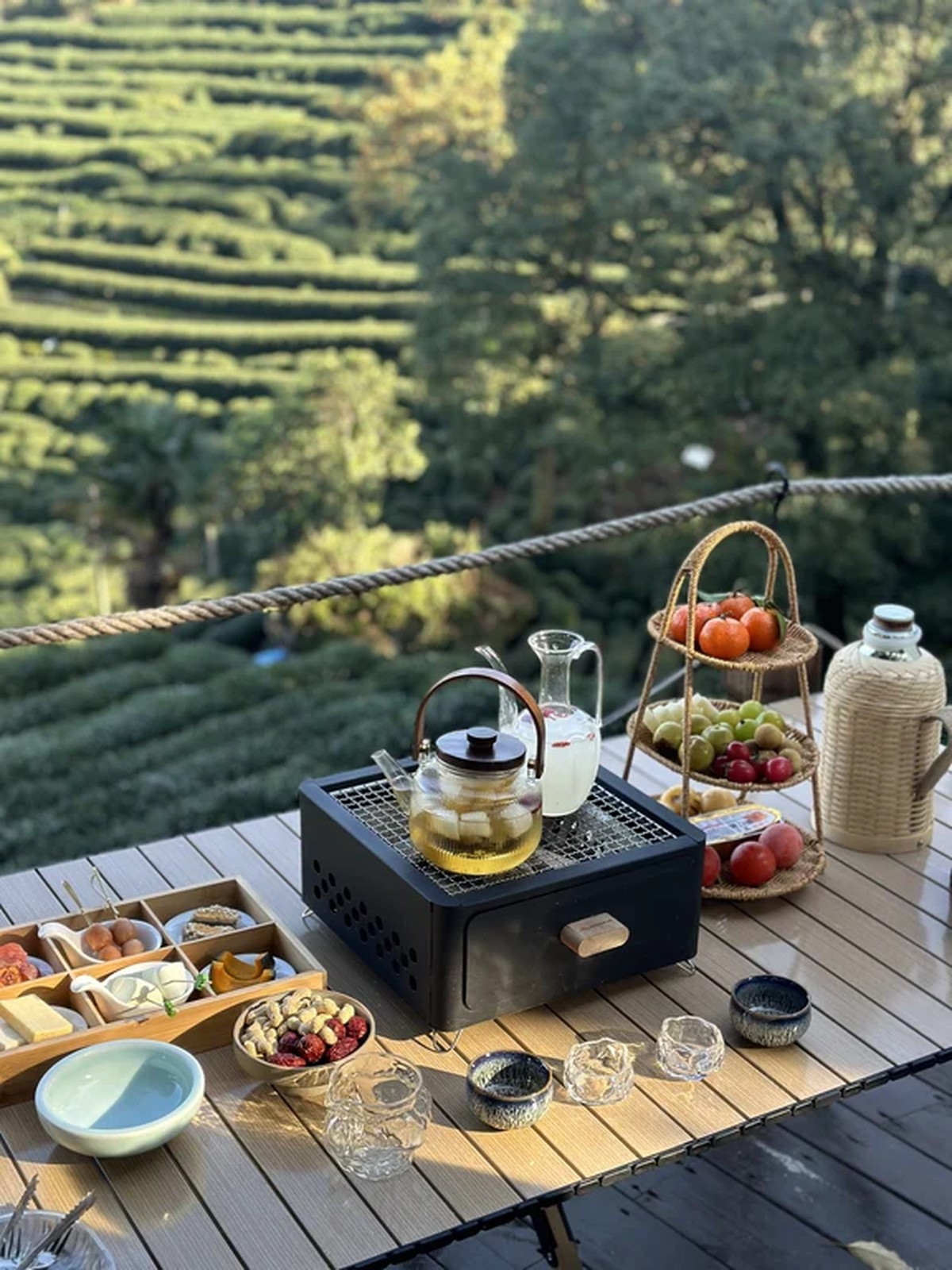
What a Longjing Garden Visit Involves
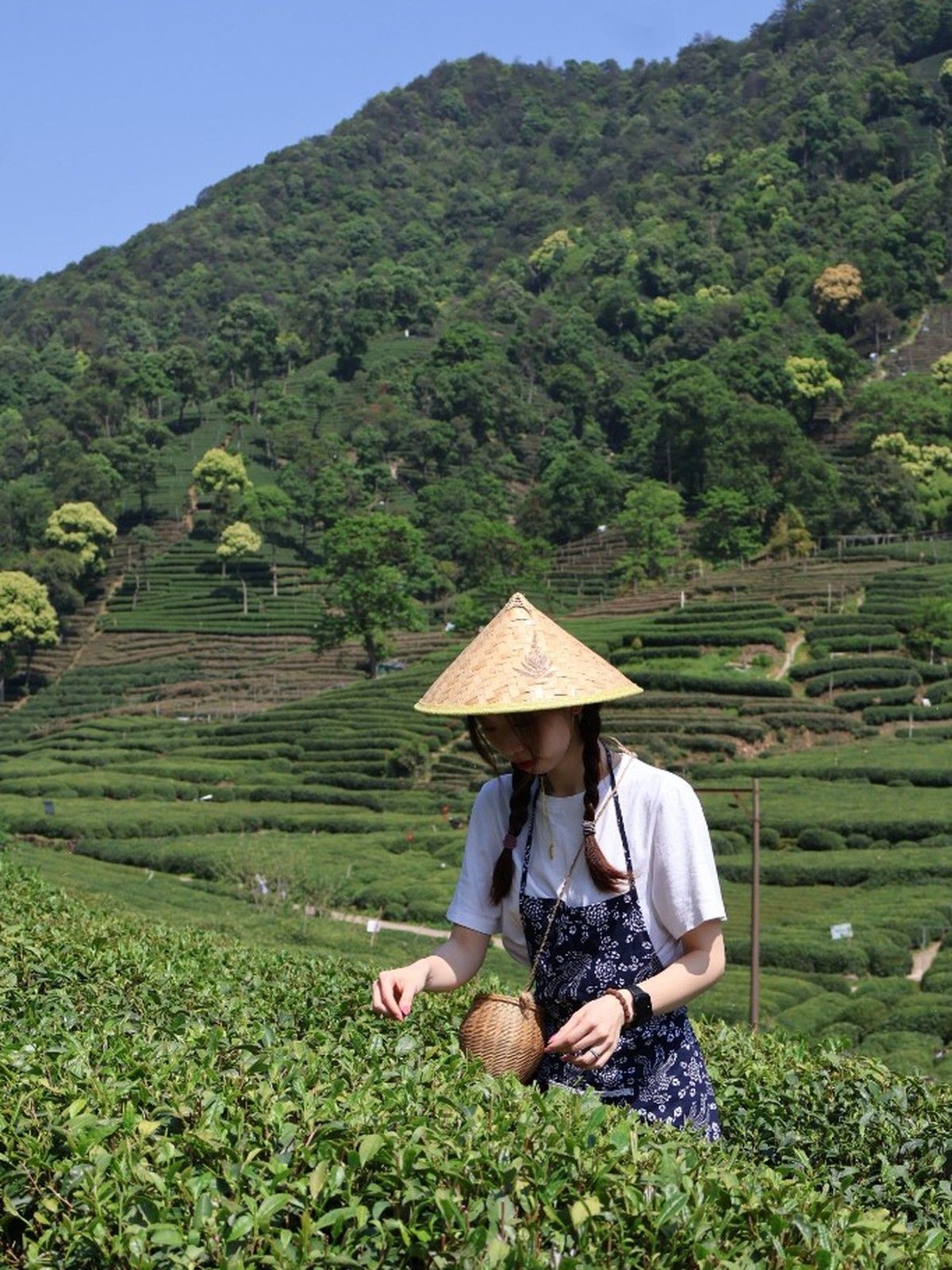
The most distinctive visit is the spring harvest, especially before Qingming in late March to early April, when gardens around Longjing Village work the first flush. Travelers walk the rows and learn to pick only the youngest set: one bud and two leaves, by hand. Later in the year you can still taste and watch roasting, but the bushes will not look like first-flush picking season.
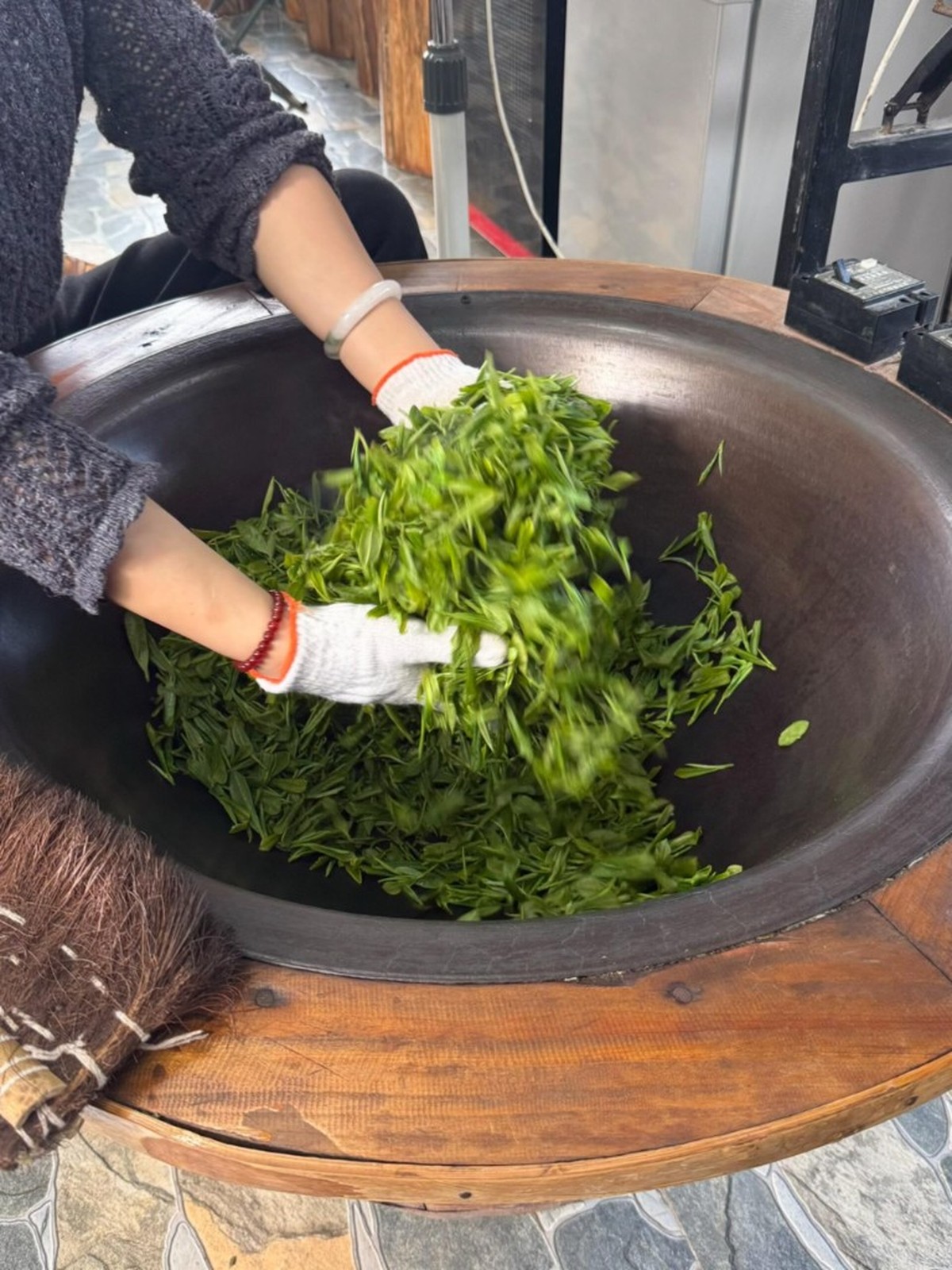
Watching wok roasting is the craft moment. Masters pan-fry fresh leaves in iron woks with bare hands at high heat, a skill practiced over years so the leaf stays green and fragrant instead of scorching. Do not put your own hands in a commercial wok unless the producer invites you and the guide confirms it is safe.
Tasting is usually done in clear glass with spring water. Hupao, or Tiger Spring, is the water name locals attach to a proper Longjing cup. You watch the leaves sink and open. Ask before you photograph workers or private courtyards. A full private picking-and-roast day is a custom add-on, not a published East Marvel package on this site.
Tibetan Butter Tea on the Plateau
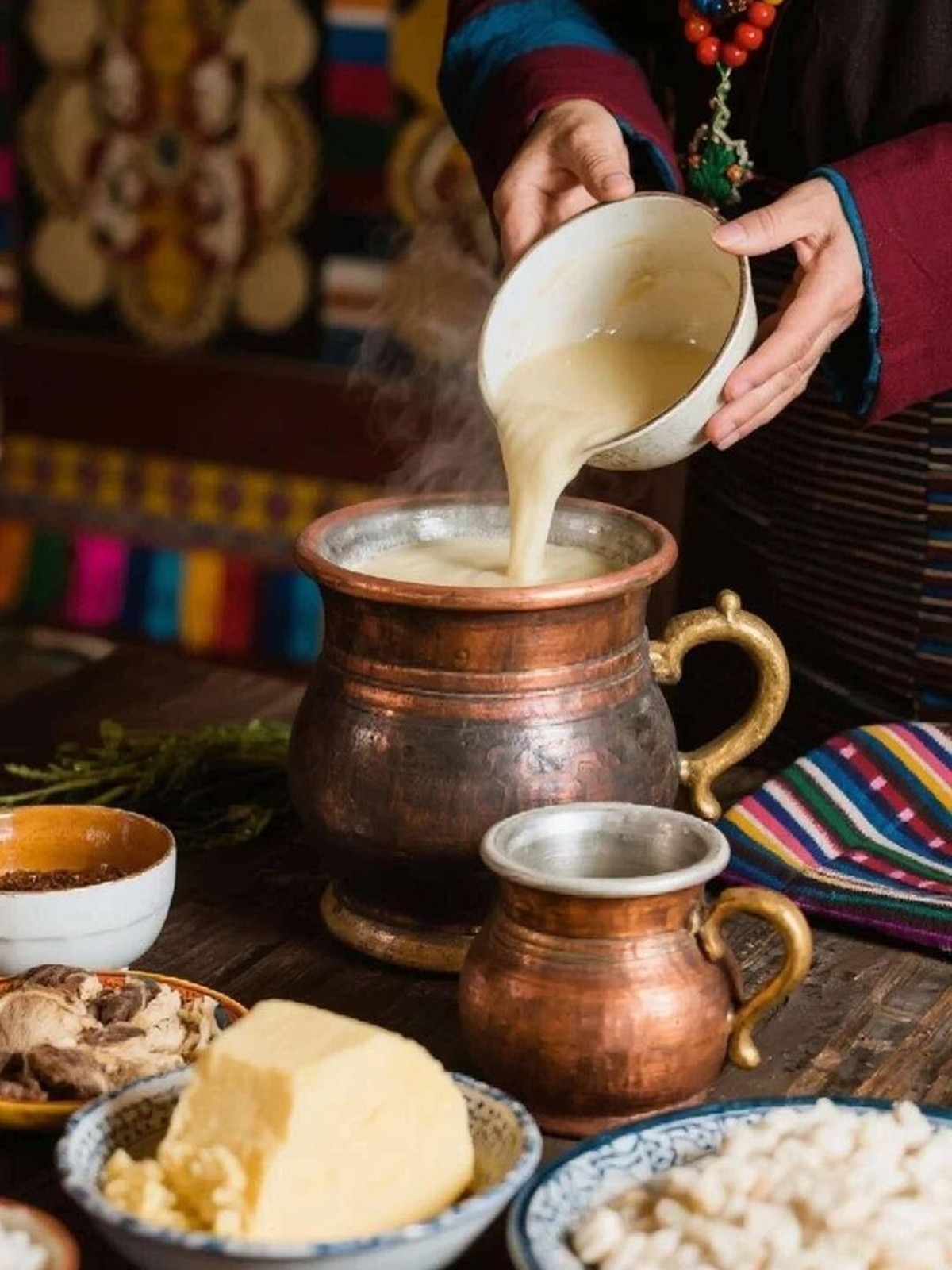
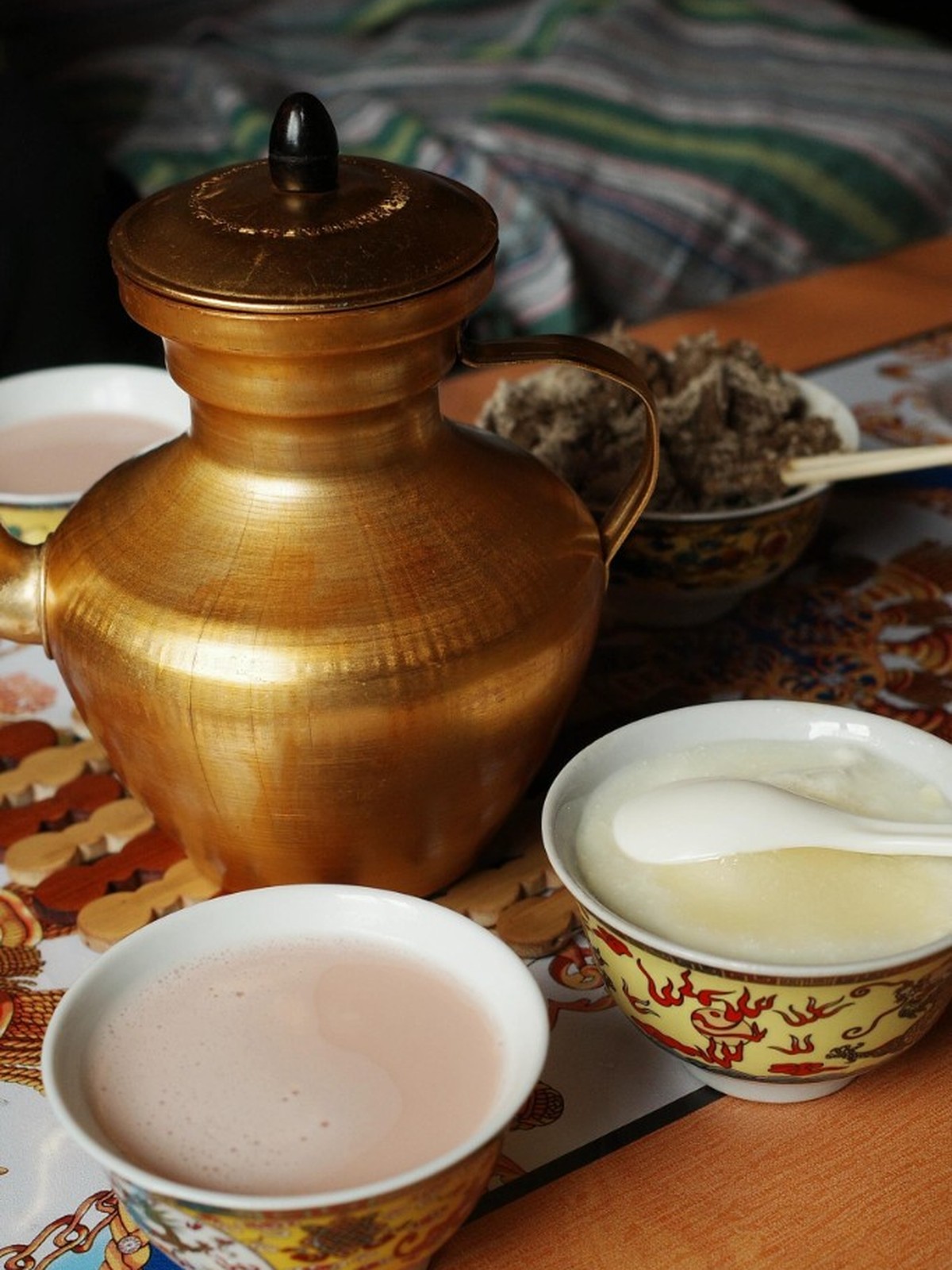
Far west, tea is fuel. On the Tibetan Plateau the air is thin and the climate is cold and dry. Tibetan butter tea, po cha, is made by simmering compressed brick tea—historically carried on the Tea Horse Road—then churning it with fresh yak butter, salt, and milk. The cup is savory. Many first-time drinkers say it tastes closer to a rich broth than to Hangzhou green tea.
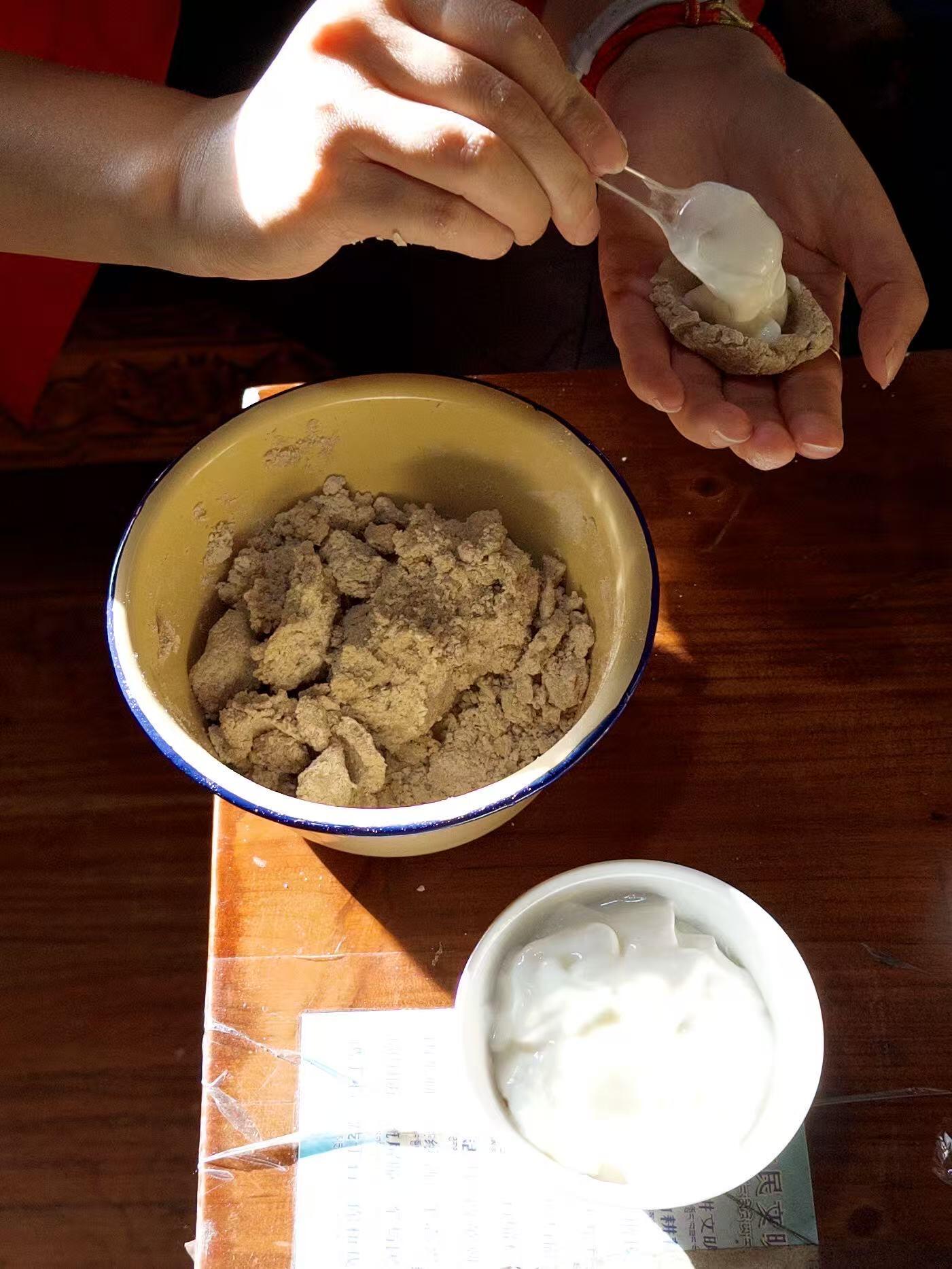
That richness is the point. Fat and salt sit well in cold rooms and on long days at altitude. Hosts also pour sweet milk tea in Lhasa teahouses; that is a different drink. The Tibet Travel Guide lists both butter tea and sweet tea, plus tsampa (roasted barley flour) rolled with the butter-tea mix at the table.
Sharing the cup is social, not silent. A family visit in a valley home, with homemade butter tea and a tsampa lesson, is listed as a local-hospitality experience on the Tibet destination page. It is not listed as a fixed inclusion on the 13-Day China and Tibet Tour: Beijing, Lhasa and Shanghai, which centers Lhasa sights such as the Potala Palace, Jokhang Temple, Barkhor Street, Norbulingka, and Drepung and Sera Monasteries. Ask if you want a home visit written into Lhasa days.
Butter Tea Etiquette for Guests
Offering tea is a mark of respect. Keep the following in mind in a private home:
1.Your host will often refill the cup after every sip. That is hospitality, not a test. 2.Let the tea sit a moment, then take a measured drink rather than draining it in one go. 3.Do not leave with an empty cup if you can help it. A cup left full is read as a wish for prosperity and a lasting friendship.
If the flavor is new to you, sip steadily and thank the host. You do not need to finish a large bowl on the first pour. On monastery grounds, follow the dress and photo rules in Temple Etiquette in China and wait for your guide before raising a camera.
Longjing and Butter Tea Side by Side
Use this as a planning snapshot, not a scorecard of which tea is better.
- Place: Hangzhou, Zhejiang, low hills around West Lake, versus the Tibetan Plateau around Lhasa and highland valleys.
- Leaf: fresh unfermented green tea versus compressed brick tea simmered for hours.
- Taste: delicate, nutty, and refreshing versus rich, salty, and creamy.
- Role: a calm tasting and guest ritual versus daily warmth and calories in thin air.
- Mood: quiet garden or teahouse versus lively home hospitality.
You can taste both on one China trip if you allow east-coast days plus a Lhasa block. You cannot rush both into a single weekend. Spring favors Longjing picking; summer is the practical window for many Tibet routes, as noted in Best Time to Visit China.
How to Put Tea on an East Marvel Itinerary
For Hangzhou: tell us you want Longjing Village, a roast demonstration, and a West Lake walk. We will attach it to a Shanghai stay, or start from a live east-China itinerary such as the 7-Day East China Tour: Shanghai to Hangzhou or the longer 16-Day China Tour: Beijing, Guilin, Hangzhou and Shanghai. Browse more options on Popular Tour Packages and city pages on Destinations.
For Tibet: start with the 13-Day China and Tibet Tour: Beijing, Lhasa and Shanghai listed on the home page. Add a teahouse stop or a family butter-tea visit when you request the outline. Permits, altitude rest, and monastery timing still come first; tea is the hospitality layer, not a substitute for acclimatization days.
East Marvel has planned China travel with English-speaking guides since 1988. Send dates and whether tea is a priority. We reply with a tailored outline.
Plan with East Marvel Send your Trip List →