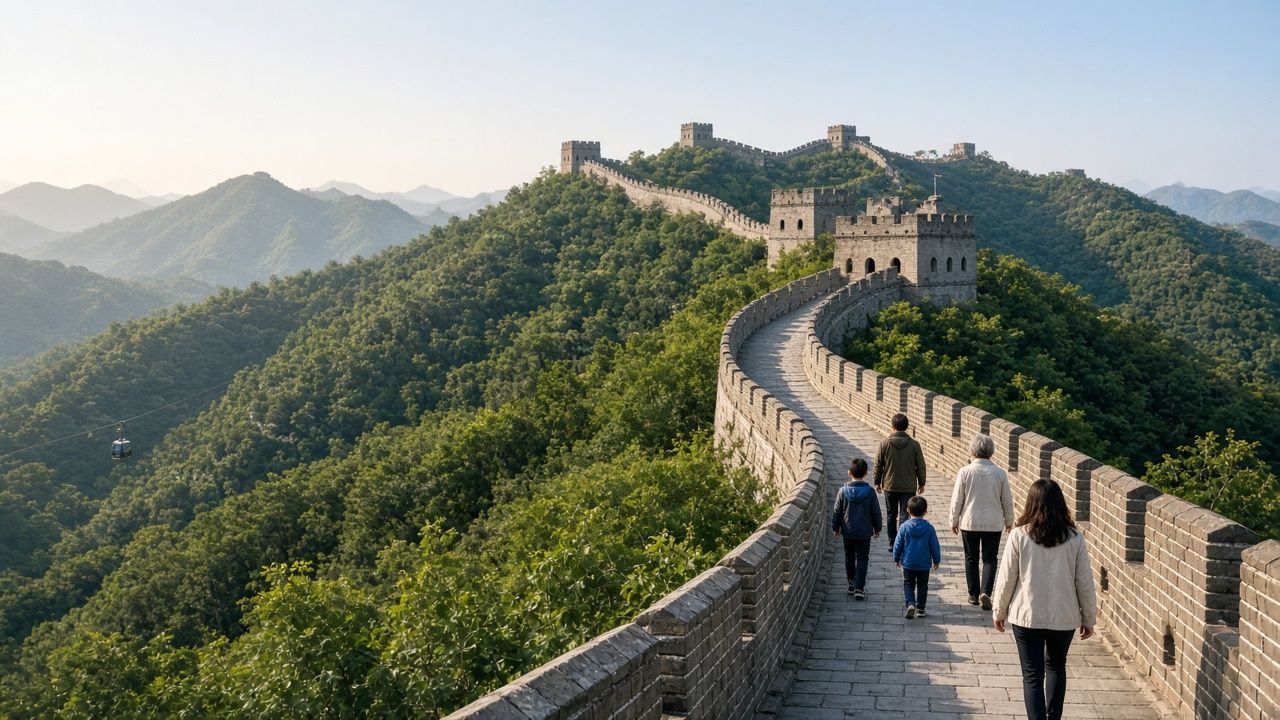
The wish list writes itself: pandas, the Great Wall, the Terracotta Army, a Yangtze cruise, Shanghai Disneyland. Adults want the landmarks. Kids start asking how much longer by day three. Grandparents want somewhere to sit after lunch. The problem is rarely that China does not have enough to see. It is that one day is asked to hold three things that each need a morning.
Give each city the job it actually does well. Beijing is the Wall and the Forbidden City. Xi’an is the warriors. Shanghai is a full Disney day. Chongqing is where you board the ship, and where pandas already live. Chengdu waits until pandas are the reason you came, not a side errand. One main sight a day, a second only if it is easy, and a real break at the hotel or in an indoor museum when it is hot.
Beijing: names they already know, seen at walking speed
Put Beijing first. The Forbidden City, the Great Wall, Tiananmen, the Summer Palace, the Bird’s Nest and the Water Cube are names many children have already met in a textbook or a documentary. On the ground they need to walk, hear a story, and leave before they are done in. They do not need five names in one day.
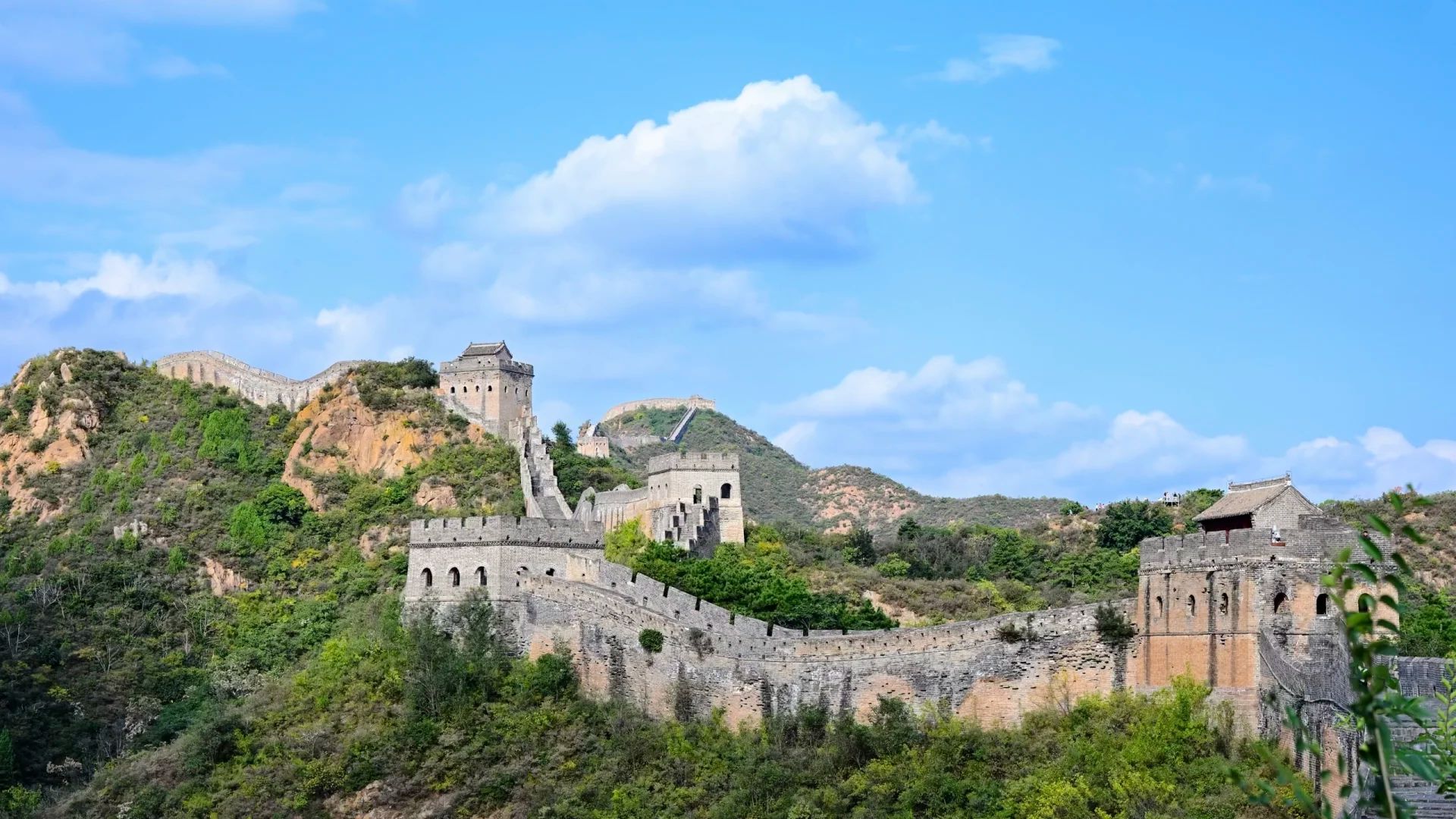
For the Wall, use Mutianyu or Badaling. Take the cable car. Two watchtowers are enough. In the Forbidden City, stay on the central axis and use an audio guide made for children. It works better than a parent pointing at a hall and saying the English name. Keep a separate day for them: the China Science and Technology Museum, the natural history museum, the planetarium, or Universal Beijing. The Bird’s Nest and Water Cube can wait until you are back from the Wall, as a night view from outside. You do not need a show.
From about six, you can mix history and a park. From three to six, give the daytime to the science museum or Universal, and keep the Wall and the palace short, early, and over. Do not put the Wall and the Forbidden City on the same day.
Xi’an: the warriors in the morning, then stop adding museums
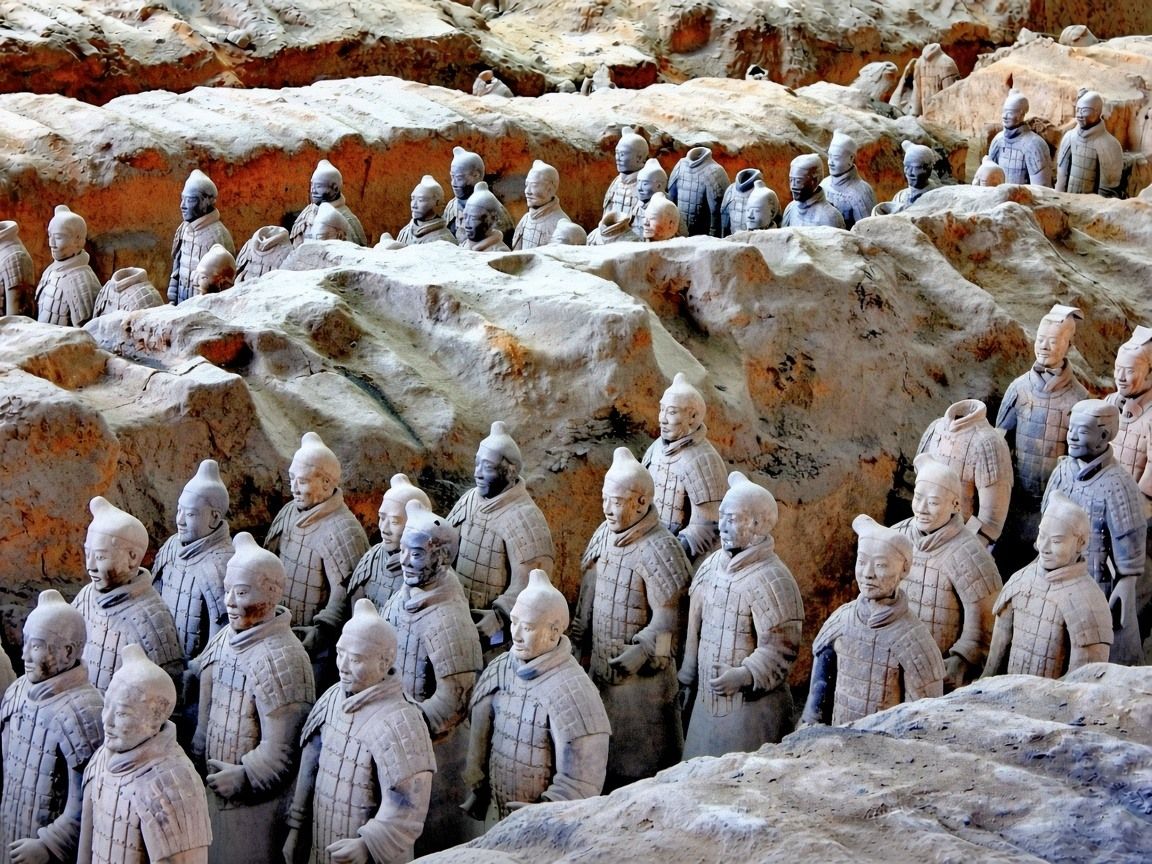
Xi’an is heavy with history, and it is the city where families overbook. See the Terracotta Army in the morning, with a guide who will talk to the children rather than at the pits. In the late afternoon, rent family bikes on the city wall. The wind and the brick under the tires often stick longer than another gallery. End at the Great Tang All-Day Mall for lights and a performance. That is the close of the day. Do not add a fourth stop.
If Shaanxi History Museum has no tickets, use Xi’an Museum, the science museum, or the archaeology workshop at Daming Palace. Hanyangling is the extra half-day if someone still wants a tomb and does not want a second crowd like the warriors.
From about seven, the Army starts to make sense. Younger children get more from the wall, the night market, and anything they can touch. Do not stack museums two days running.
Shanghai: the stretch that does not ask them to understand a dynasty
Put Shanghai later. After a few cities, children need a day that is not a lesson. Shanghai Disneyland gets the whole day. Do not do the park in the morning and the Bund after lunch.
The Shanghai Science and Technology Museum reopened in a refreshed form in 2026, with One Meter World designed for ages three to eight. The Natural History Museum, Legoland, the wild animal park, and a Huangpu River night cruise can fill other hours. None of them should share a day with Disney. If you only have two days, take Disney plus one indoor museum and leave the out-of-town parks for another trip.
From three to twelve, Shanghai almost always works. It is not the city you use to finish Chinese culture. It is the city that lets the family keep going.
Chongqing: pandas before you board, in the same city as the ship
A Three Gorges cruise usually starts or ends in Chongqing. One day in the city is enough. Spend the morning at Chongqing Zoo. There are about two dozen giant pandas, including local family lines such as Yuke, Yu’ai, and Sixi Wanzi, and the viewing is close. For most children, that is a first panda visit without a separate flight to Chengdu.
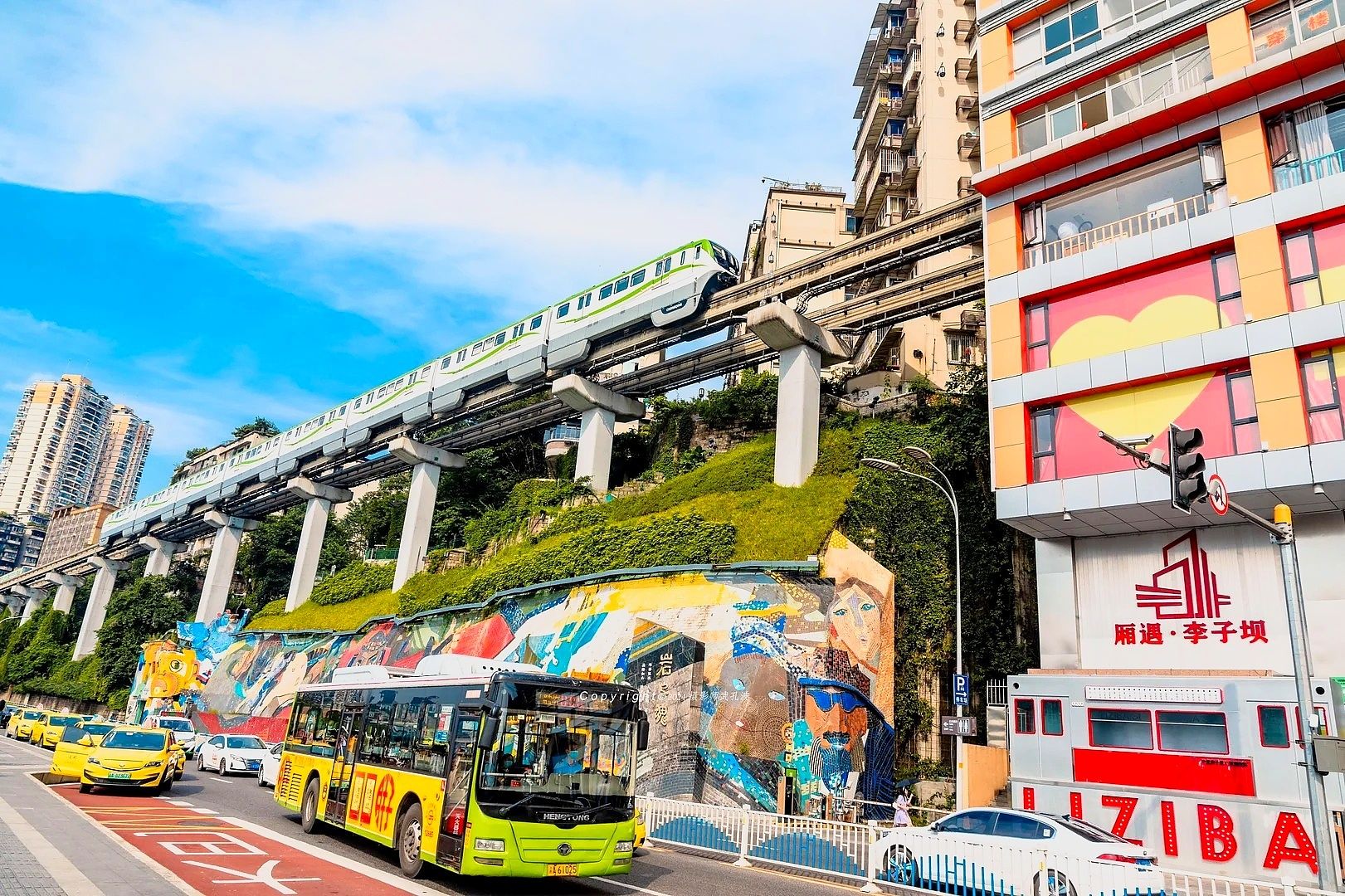
Give the afternoon and evening to the mountain city itself: the Yangtze cable car, the light-rail line that runs through a residential building, the Three Gorges Museum, Hongyadong, and the two-river night view. If pandas are already in Chongqing, do not add a long transfer to see more pandas. Only add Chengdu if you want the large breeding-base scene: many animals, many ages, one morning.
Chengdu: go when pandas are the point
The Chengdu Research Base of Giant Panda Breeding has the numbers and the facilities. It is also crowded in summer, so arrive early. If the base feels like too many people, Dujiangyan Panda Valley is quieter and more like a hillside park. Sanxingdui, with the bronze masks, usually lands with children from about six. Younger ones are done after pandas; walk Kuanzhai Alley or Jinli for dinner instead of treating those streets as another sight.
If the days are already tight, skip Chengdu. Chongqing Zoo is enough for a first look.

A 12-day layout that a family can actually walk
Land in Beijing on day one. Check in and deal with the time difference. Then split three days: the Forbidden City and Qianmen; the Wall and a Bird’s Nest night view; the science museum or Universal. Fly to Xi’an on day five. Give the warriors and Huaqing Palace one day, the wall and the Tang night market the next. Fly to Shanghai on day eight. Day nine is Disneyland, or the science museum plus natural history. Fly to Chongqing on day ten. Day eleven is the zoo, the cable car, and Hongyadong. Day twelve, board the Yangtze ship from Chongqing.
If you are not taking the cruise and pandas in Chengdu are non-negotiable, use day twelve to fly to Chengdu, see the base, and go home from there. Do not ask one short trip to hold the ship, Chengdu, and Disney. Twelve days will not take all three without rushing someone.
With eight or nine days, keep Beijing–Xi’an–Shanghai, or Beijing–Xi’an–Chongqing and the cruise. Disney and the ship do not belong on the same short itinerary. With fourteen days, add one Chengdu day and choose Panda Valley or Sanxingdui, not both.
Three rules that matter more than another landmark
One main sight a day. The Wall, the warriors, and the Forbidden City are hot and crowded: go early. Disney, science museums, and the zoo are for finishing, not for cutting short because the schedule says so. If it is hot, an indoor museum after lunch is worth more than a nearby extra.
Younger children: Shanghai, Beijing, Chongqing. Children who can listen to a guide: Xi’an and Chengdu start to pay off. The cruise and Chongqing already connect. You do not need a long detour for pandas.
You still get the Wall, the Forbidden City, the Terracotta Army, pandas, the Yangtze, and Disney. Each of them simply gets its own day. On a first trip with the whole family, that is the difference between a trip they finish and a list they survive.
Questions families ask
Do we have to go to Chengdu to see pandas? No. If a Yangtze cruise is already booked, Chongqing Zoo is the stop. Chengdu is for the full breeding-base morning.
Which Great Wall should we use with kids? Mutianyu is the default: cable car, toboggan down, fewer people than Badaling. Use Badaling only if the famous name is the point.
Can Disney and a Yangtze cruise fit in one week?
No. Eight days is Beijing, Xi’an, and Shanghai. A Three Gorges cruise needs its own nights on board.
Is 12 days long enough for all of this? Yes, if Chengdu is optional and each city keeps one job. No, if you also want Guilin or Zhangjiajie in the same run.
If you send East Marvel the children’s ages, the dates you have, and the one sight you refuse to drop, the private days can follow this order instead of a checklist.
8-Day Classic China Tour: Beijing, Xi'an & Shanghai