Pick the scene you want
Ask most Western travelers what "faith in China" looks like, and two images appear: a Buddhist temple, and a dragon.
Both are real. Neither is the whole country.
Walk west and the gold roofs of the Potala catch the thin air while prayer wheels click past your shoulder. Drop into the southwest and you may leave a Dai town dripping wet, because getting soaked at the Water Festival is a blessing, not a joke. In Dehong, the Jingpo people fill a square with thousands of dancers around sacred poles. In the northwest, the call to prayer rises over markets where halal food is everyday life. On the southeast coast, Mazu temples smell of incense and salt air. In the Miao hills, New Year means silver, lusheng pipes, and a long-table feast. And on a weekend in Rongjiang, Guizhou, tens of thousands pack a village football ground: locals on the pitch, Dong and Miao song at half-time, livestock and rice among the prizes.
Faith and festival in China are not museum pieces. They are living days.
China is not one belief label. Fifty-six ethnic groups, five officially recognized religions, and countless local rites sit side by side. Geography shapes what people believe. Season shapes when they celebrate.
For a traveler, the useful move is not to memorize fifty-six names. It is to pick the kind of day you want:
Solemn ceremony. Shoton thangka unveiling; sacred mountains. Summer to autumn.
Joyful chaos. Water Festival; Torch Festival. Spring to summer.
Mass ritual. Munao Zongge. Late winter to early spring.
Wide sky and speed. Naadam. High summer.
Living China, today. Village Super League / Village BA. About May to October, on weekends.
Family ritual. Spring Festival; Tibetan New Year. January to February.
Six lines, not one label
Western guests often draw China as simply "Buddhist." A sharper map runs six lines that rarely cancel each other out.
Han Buddhist mountains
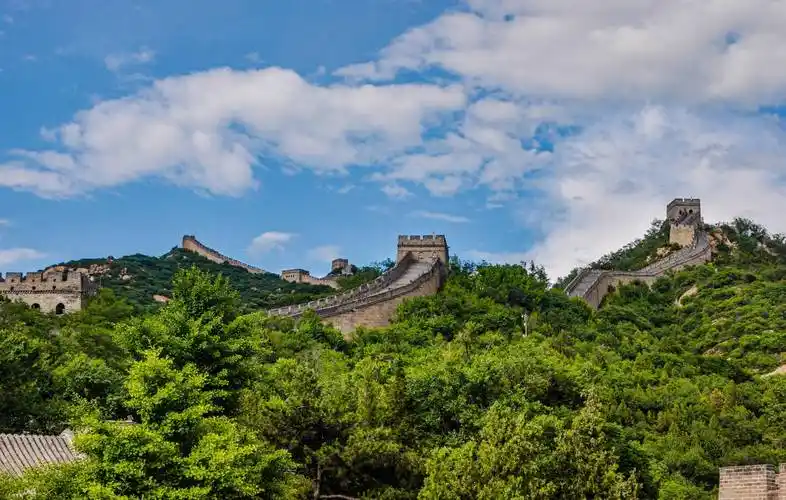
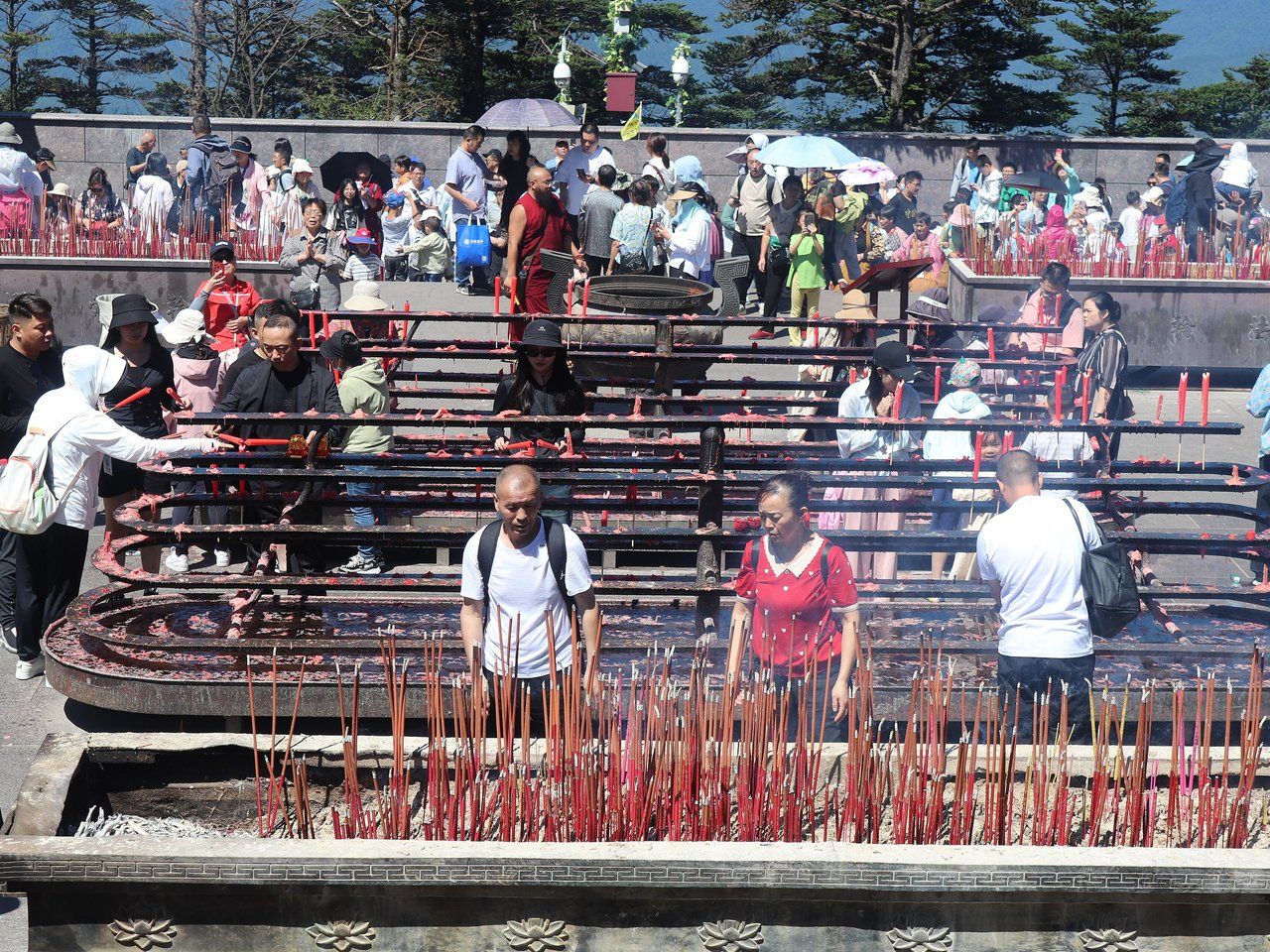
The four sacred mountains are the big coordinates: Wutai in Shanxi (Manjushri), Putuo in Zhejiang (Guanyin), Emei in Sichuan (Samantabhadra), Jiuhua in Anhui (Ksitigarbha). Temples, incense, and quiet courtyards are everyday faith for much of Han China. Good if you want one still morning in a monastery, without needing a major festival date.
Tibetan Buddhism
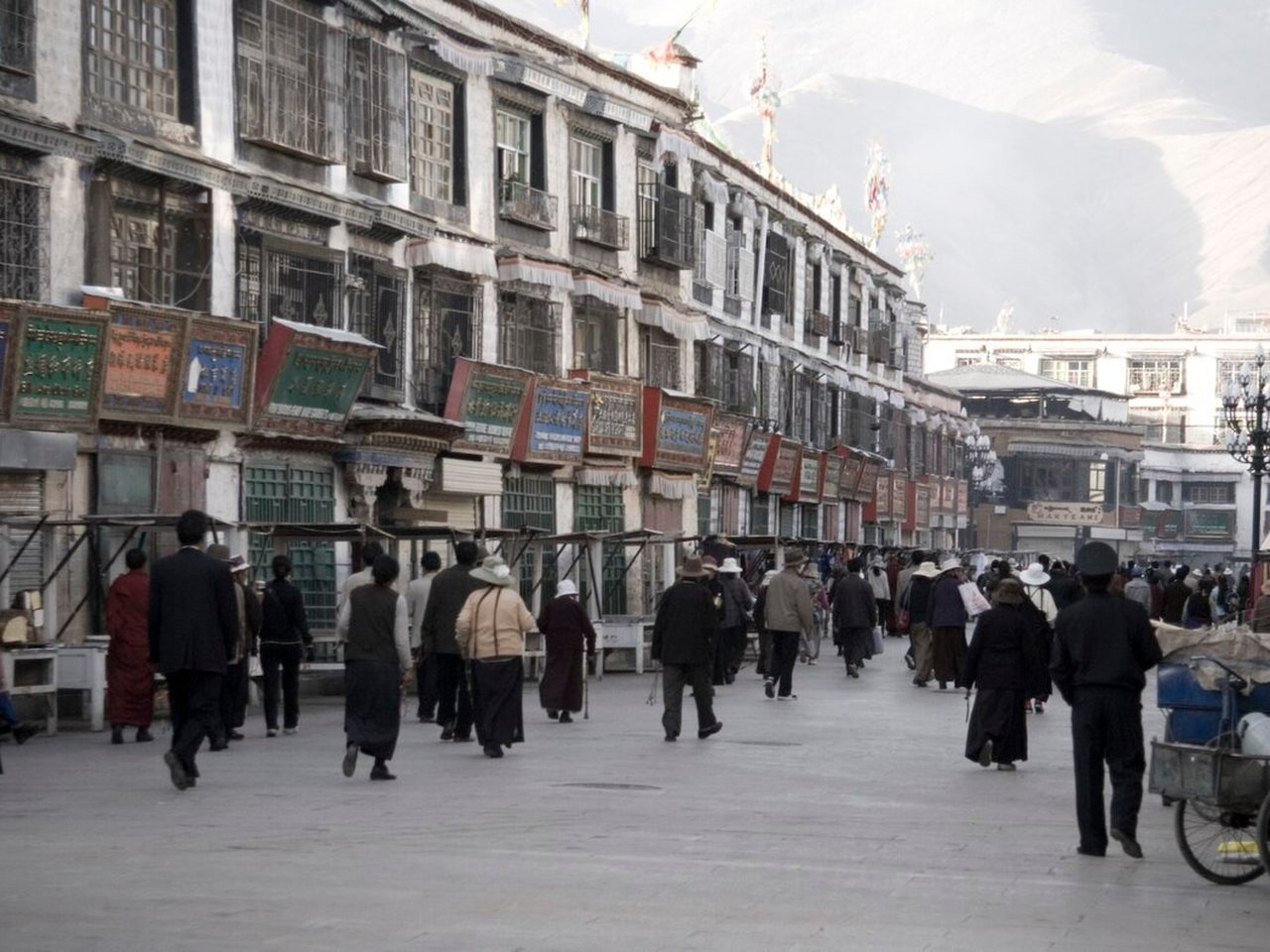
Tibet, Qinghai, southern Gansu, western Sichuan, and parts of Inner Mongolia: the Potala Palace, Kumbum Monastery in Qinghai, Labrang Monastery in Gansu. Circumambulation, full-body prostrations, and giant thangka unveilings are among the most solemn scenes you will see anywhere. This is not only religion. It is a highland way of life. Build in buffer days for altitude, and put etiquette ahead of packing another sight.
Dai and Theravada
Xishuangbanna and Dehong in Yunnan share a lineage with Thailand. Many Dai men spend a short period as monks. Golden stupas and the Water Festival are two sides of one life. If you have just come from Thailand, the bells may feel familiar, but the festival energy will not be.
Islam in the northwest
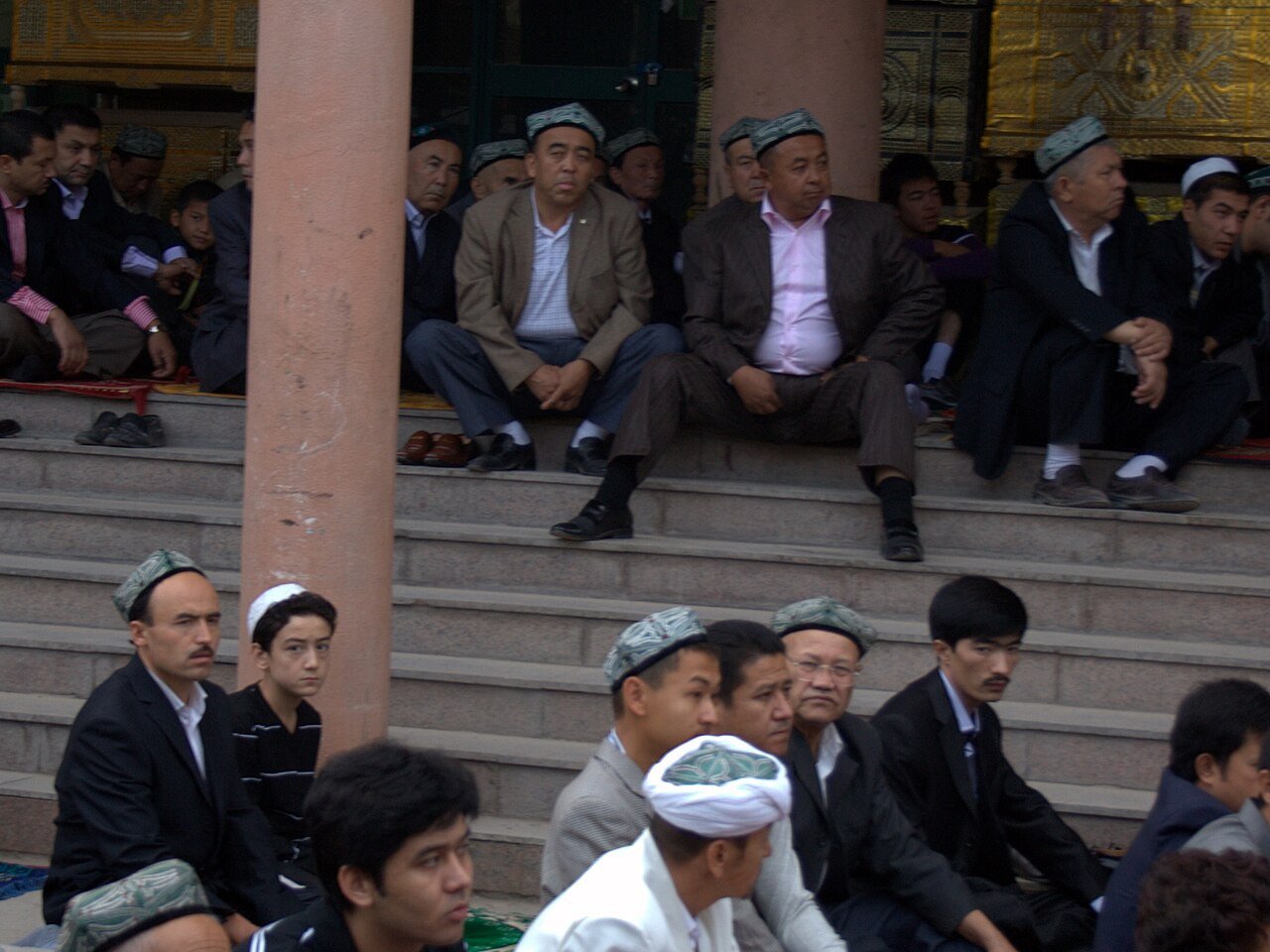
Xinjiang, Ningxia, Gansu, Qinghai: mosques, the call to prayer, Eid al-Fitr and Eid al-Adha. In northwest cities, faith, markets, and halal food grow together. For halal diners, this is not only a festival stop. It is where the daily table feels easy.
Taoism and the everyday temple
Mountains such as Wudang, Qingcheng, and Longhu are philosophical home ground. Mazu, Guan Gong, city gods, and ancestor tablets are the everyday faith of the coast and many Han towns: less theology, more protection and luck. Western visitors often underestimate this layer. A temple fair or New Year incense queue can feel more Chinese than a formal hall lecture.
Older rites
Yi torch rites, Miao drum festivals, Wa wooden drums, Naxi Dongba practice, Mongolian shamanic strands: an older sense that the world is alive. At Torch Festival or Miao New Year, you are often meeting this layer, not a staged minority show.
Who celebrates what
Dai. Water Festival; Closing and Opening of the Doors. Mid-April for the Water Festival. The door festivals run about three months from mid-summer into autumn. Sources differ by about a month on the exact solar dates. Buddha bathing, water, golden stupas.
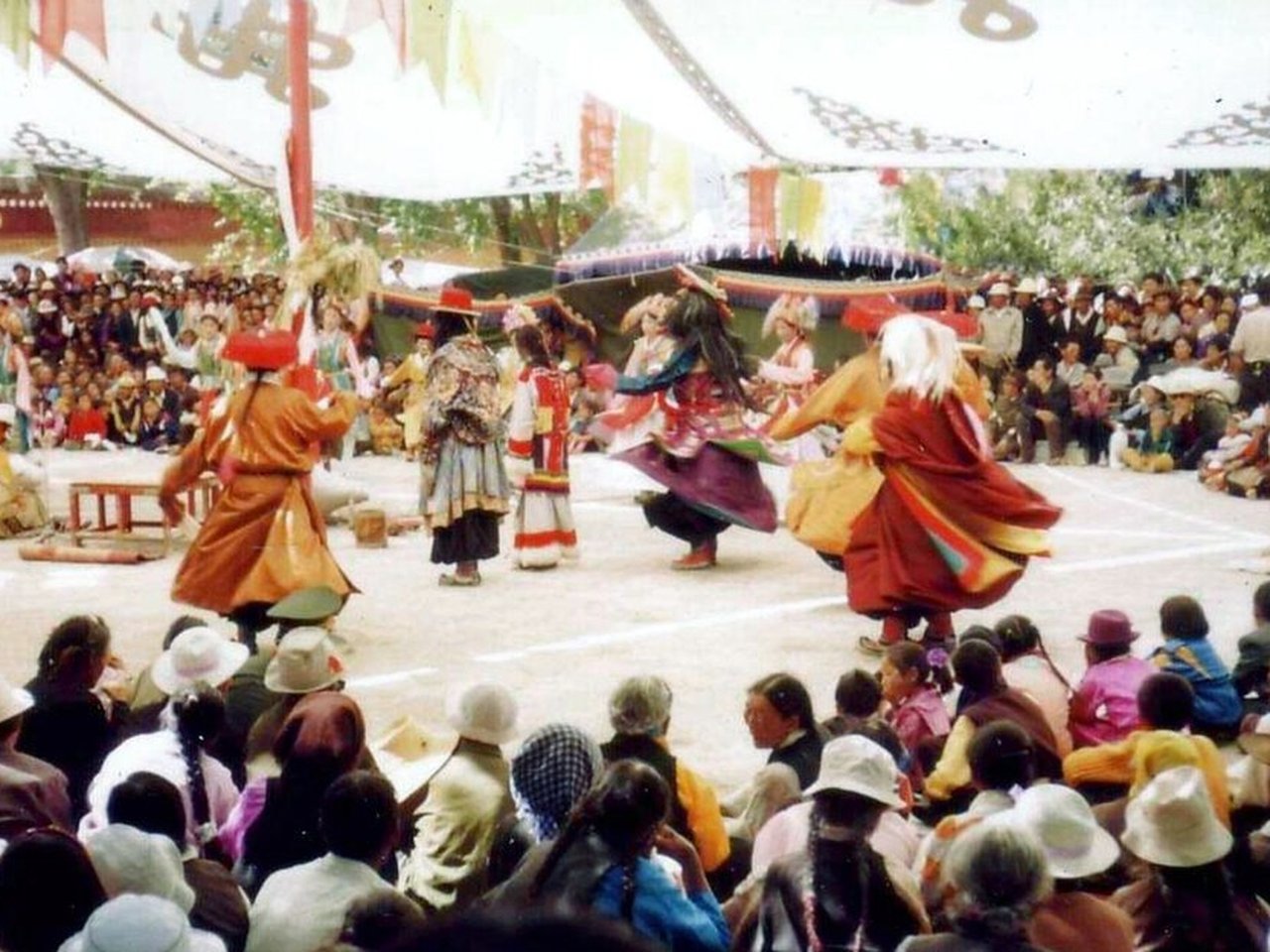
Tibetan. Shoton; Tibetan New Year; Ongkor, the harvest walk. About August; January to February; about June to August, before the barley is cut. Thangka unveiling, opera, circumambulation.
Mongolian. Naadam. July to August. Wrestling, racing, archery.
Yi. Torch Festival. About July to August. Fire on the hills, dance, contests.
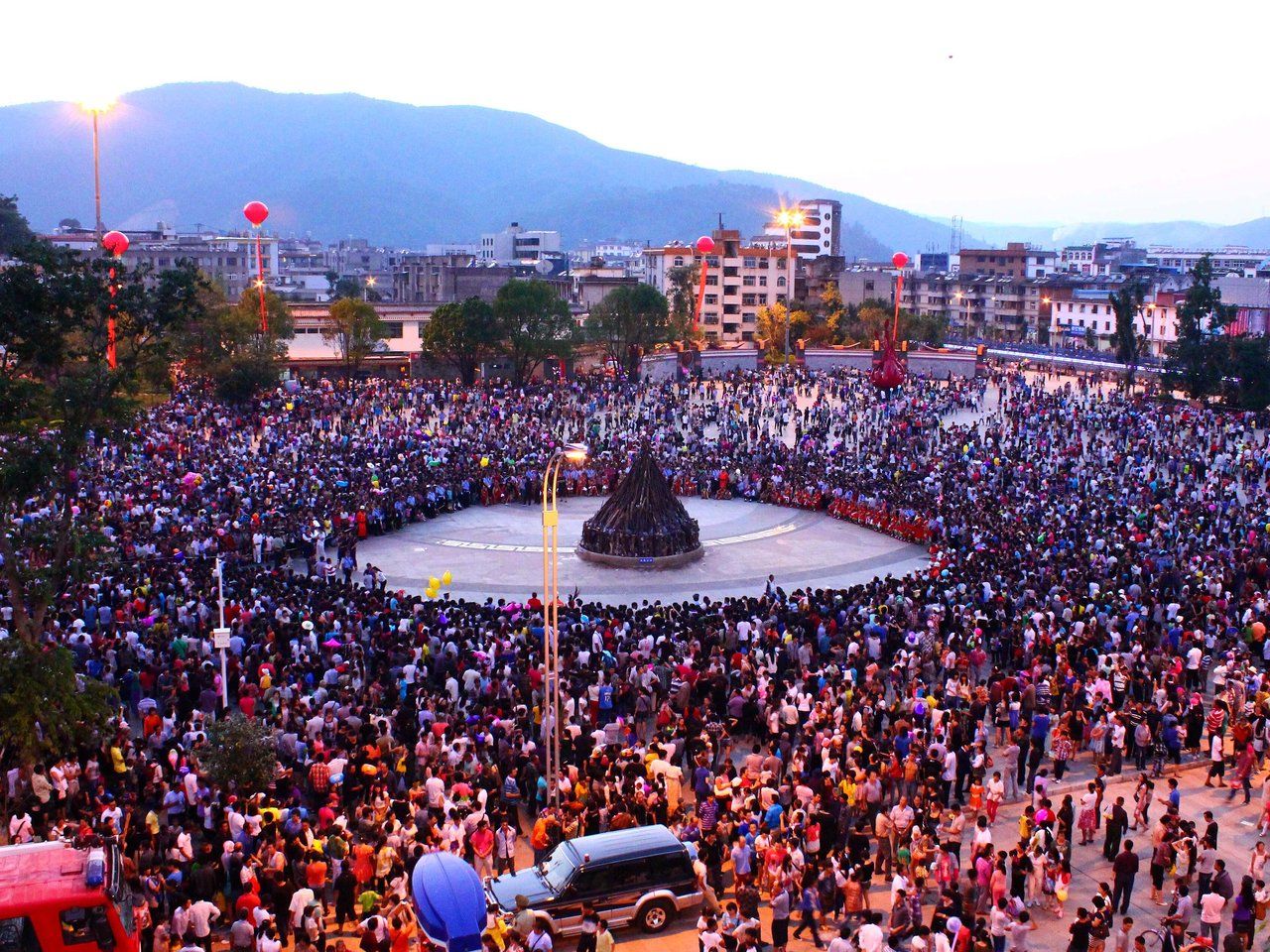
Jingpo. Munao Zongge. About February to March. Mass dance, sacred poles.
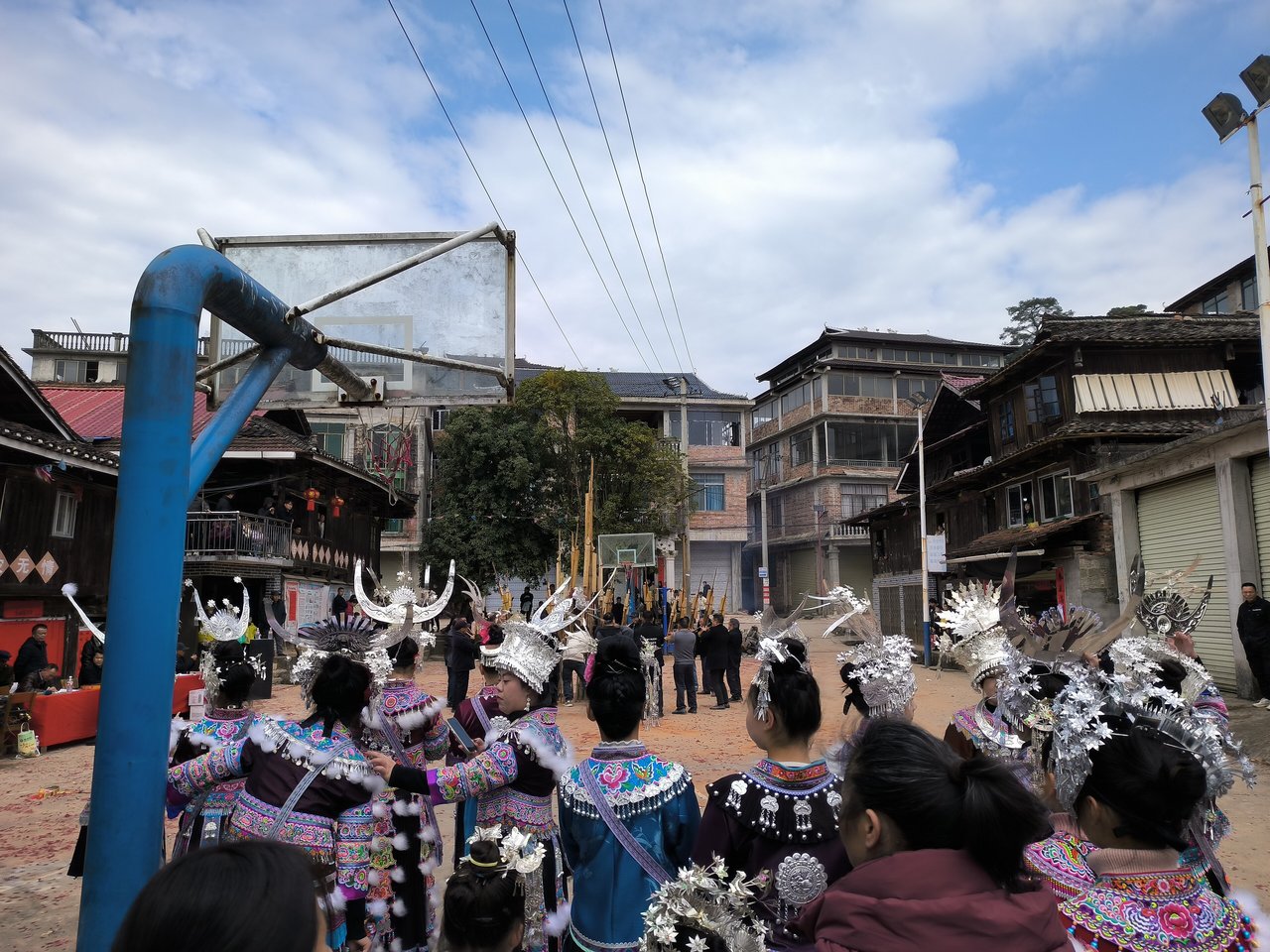
Miao. Miao New Year; Sisters' Festival; drum festivals. About November; spring. Lusheng, silver, long tables.
Dong. Dong New Year; Sama; Grand Song festivals. A winter lunar month, and other local dates. Grand Song, drum towers.
Zhuang. Third of the Third Month. About April. Song fair, five-color rice.
Bai. March Fair. The lunar third month. Dali markets, horse racing.
Uyghur and Hui. Eid al-Adha; Eid al-Fitr. The Islamic calendar. Prayer, shared meals, markets.
Naxi. Sanduo Festival. The lunar second month. Dongba rites; the Jade Dragon Snow Mountain area.
Spring
Third Day of the Third Lunar Month (Zhuang, Dong, and others; about April): song fairs in Guangxi and Guizhou. Antiphonal singing, embroidered balls, five-color sticky rice.
Water Festival (Dai New Year, about 13 to 15 April): Xishuangbanna and Dehong. Buddha bathing, water fights, sky lanterns. The wetter you get, the deeper the blessing. Dehong can start a day or two earlier than Jinghong. Treat the dates as a mid-April window, not a single fixed day.
Munao Zongge (Jingpo; about February to March): Dehong. Thousands dancing around the Munao sacred poles. The Jingpo people's greatest gathering. It falls around the 15th day of the first lunar month.
Summer
Naadam (Mongolian; about July to August): wrestling, horse racing, archery. The grassland's rite of summer.
Torch Festival (Yi, Bai, Naxi, and others; about July to August): fire circling the hills, bull contests, night dance. Often called an Eastern carnival.
Shoton Festival (about August): Lhasa. Giant Buddha unveiling at Drepung Monastery, Tibetan opera, pilgrimage crowds. Solemn and electric at once. The lunar date can slip into late July.
Autumn
Mid-Autumn and National Day. Mid-Autumn Festival and China's National Day are the Han family reunion and a crowded national holiday. Tibetan harvest processions, the Ongkor, are a walk around the barley fields. They come earlier, about June to August, before the crop is cut. They are not part of the October holiday.
Miao New Year and Dong New Year (about November): southeast Guizhou. Lusheng, silver, long-table banquets. The richest autumn festivals in the southwest hills.
Winter
Spring Festival (Chinese New Year): shared across Han and many groups. Temple fairs, folk processions, ancestor rites. Flights and hotels are tighter. Book early.
Tibetan New Year (about January to February): Tibet and Qinghai. Ritual foods, driving out misfortune, blessings. The Tibetan calendar sometimes matches the Han new year, and sometimes sits a month away.
Harbin Ice and Snow World (about December to February): not a religious festival, but northern China's biggest winter spectacle.
Festivals that travel
Alongside older rites, China has grown a new kind of festival: ethnic song and dance poured into modern pitches and squares, loud enough to travel overseas.
One line for planning: traditional festivals answer what we believe. Contemporary icons answer how we live. Both are China. You can link them on one trip. Do not force both into the same day.
Village Super League
Exploded in 2023. Players are locals: fish sellers, noodle makers, teachers. Half-time brings Dong Grand Song and Miao lusheng. Prizes have included cattle, pigs, geese, and rice. Weekend matches. Spectator entry is usually free. Sport, ethnicity, and village life in one afternoon. Many Western guests say it feels more like China alive than any staged show. The ground is in Rongjiang, Guizhou.
Village BA
Rose from Taijiang County in 2022. Courtside packed with neighbors. Prizes of black pigs and fragrant rice. Together with the Village Super League, it made southeast Guizhou a new center of living folk culture.
Munao Zongge
Dehong, Yunnan. Thousands dancing as one. A traditional rite that became a major travel date. Daylight ranks and night fires both land hard.
Water Festival
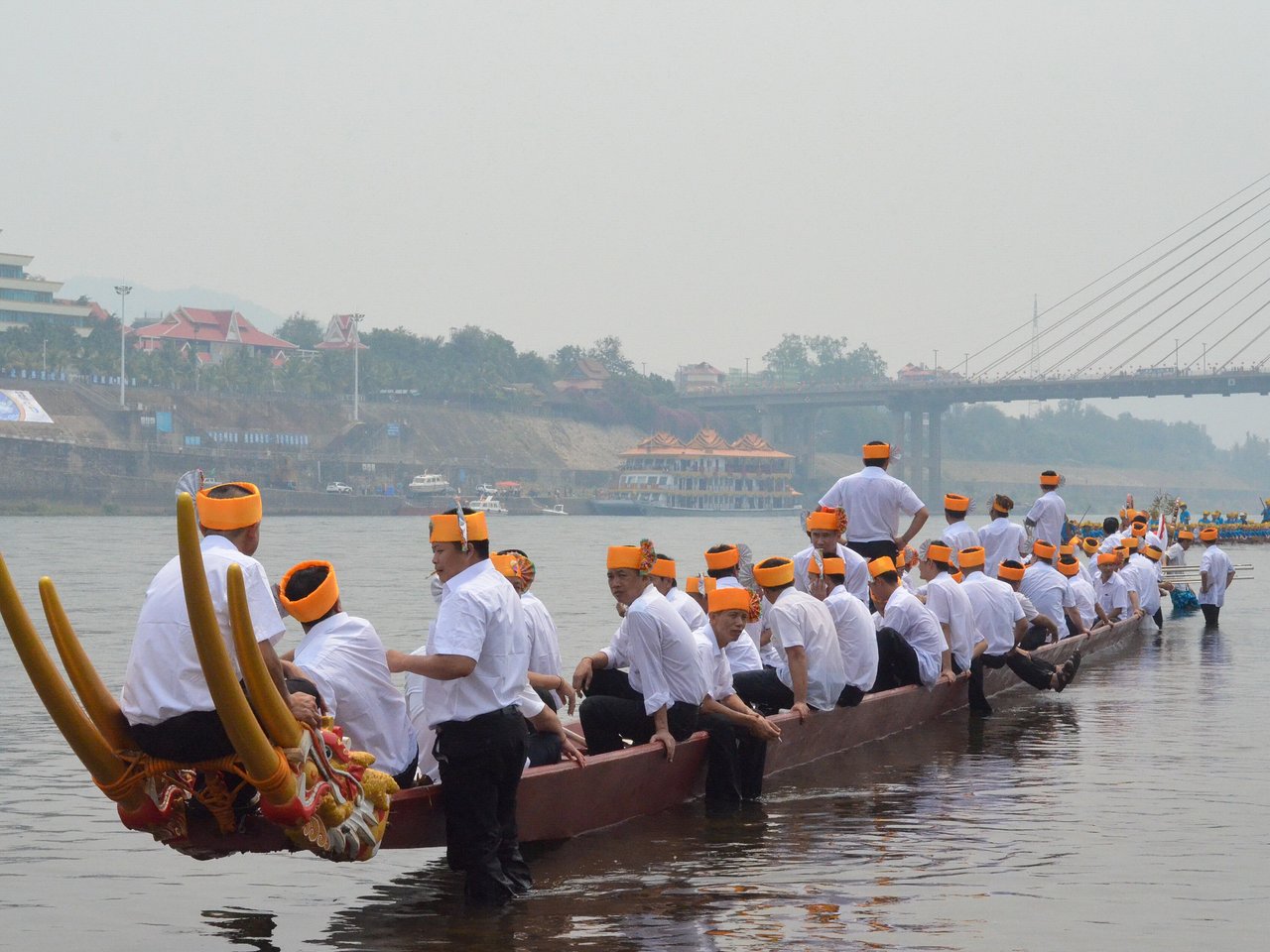
Once a Buddha-bathing new year. Now an international crowd: fairs, water lanterns, dragon boats on the Lancang in Jinghong. Mid-April fills rooms. Come ready to get wet, and book early.
Other seasonal scenes
Harbin Ice and Snow World, Zigong Lantern Festival, Weifang Kite Festival, Luoyang Peony Festival: another calendar of big seasonal scenes beside ethnic festivals.
How to choose
Solemn ceremony. Lhasa for Shoton (about August), or Mount Wutai in summer. Buffer days on the plateau. Etiquette before extra ticks on the map.
Festive heat. Xishuangbanna Water Festival (mid-April) or Yi Torch Festival (July to August). Pack quick-dry clothes, or expect smoke and fire close by.
Mass ritual. Munao Zongge in Dehong (February to March). Easy to link with Dali, Tengchong, or a western Yunnan route. The dancing itself is in Dehong, not in Dali.
Living China now. Guizhou Village Super League / Village BA (about May to October, weekends). Pair with Miao and Dong villages so the match sits inside a longer hill-culture line, not a fly-in, fly-out.
Wide sky and horses. Inner Mongolia Naadam (July to August).
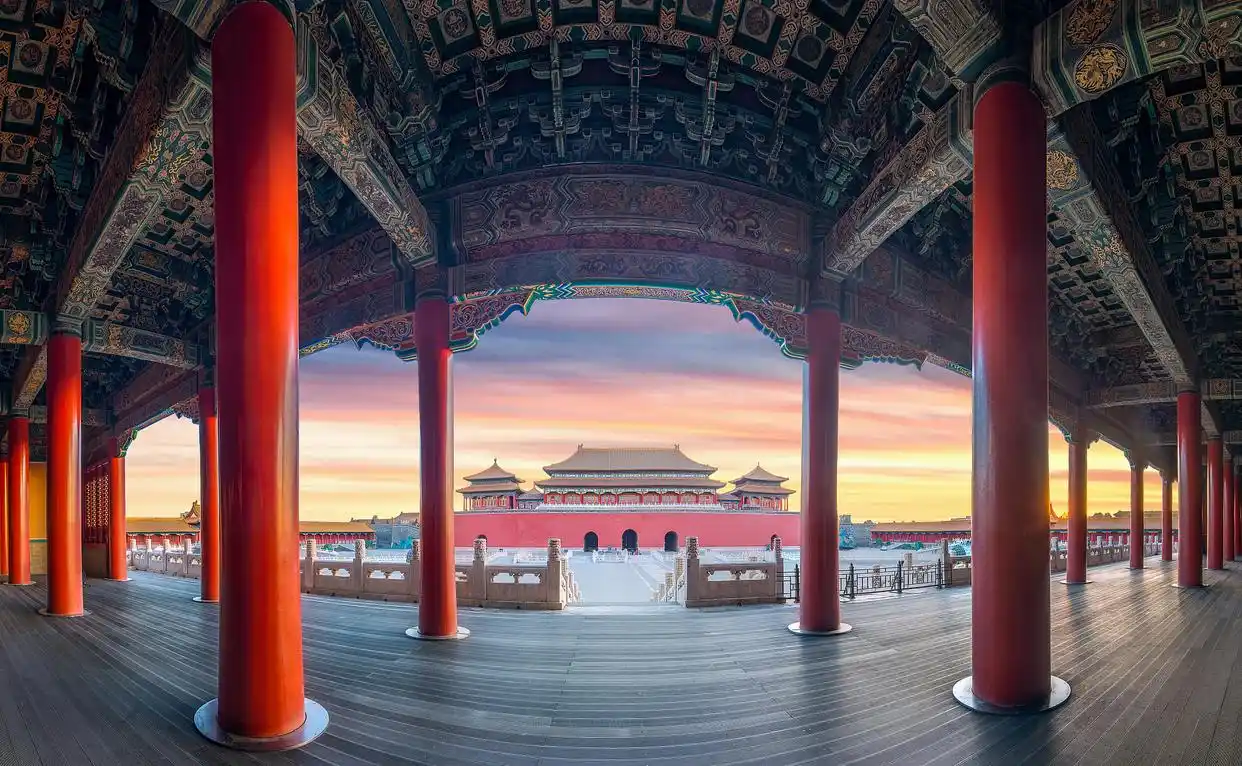
Classic city routes. Beijing, Xi'an, and Shanghai do not need a forced ethnic mega-festival. Festivals work best as a second chapter or a dedicated add-on. A Yangtze cruise is about the river. Festival dates belong in their own season window.
East Marvel's method: lock festival capacity and transport before hotels. For religious sites, we brief dress: shoulders and knees covered; clockwise in Tibetan circuits; never block someone prostrating. On festival day, participation or watching is the program. We do not cram three more attractions on top. With children, we explain first: this is someone else's important day. Then we enter.
About East Marvel
East Marvel plans private trips for Western and international guests, with deep ground operations in China and across Asia. We do not ask whether a festival is viral. We ask: do you want solemn, festive, or contemporary carnival? Ceremony etiquette, taboos, and dress go into the written plan. For hot dates, Village Super League, Water Festival, Shoton, we hold places and transport early. Luck is not a logistics strategy.
Easiest start: send your travel month, number of days, party size with children's ages, the kind of scene you want (ceremony / water / horse sports / living carnival), and the one gathering you refuse to miss. We will mark a default region and season window, and tell you exactly how to behave that day.
Related reading: China Festival Calendar 2026–2027; Temple Etiquette in China; Best Time to Visit China. Same method: pick the scene first.
FAQ
Will I be expected to stay dry and dignified at the Water Festival? The opposite. The wetter you are, the warmer the blessing. Wear quick-dry clothes, protect your phone, and join in. Or watch from higher ground if you prefer to stay dry.
What should I wear, and what should I not do? Cover shoulders and knees. In Tibetan monasteries, walk clockwise and never block someone doing prostrations. Check signs before photos. Avoid close-ups of sacred images and of monks at practice.
Is the Village Super League easy to attend? Matches are usually free, but popular weekends fill towns. Book beds and transport early. We link the game with nearby Miao and Dong villages so you do not watch and leave.
Which month should I choose? It depends on the scene you want. Water Festival in April. Naadam and Torch Festival in July to August. Shoton around August. Miao and Dong New Year around November. Let the festival choose the trip, not the other way around.
Can children come? Water Festival, Village Super League, and Naadam usually work well. For Shoton and formal ceremonies, we brief children first: quiet, follow, this matters to other people.
What about churches? Registered Christian and Catholic churches can be visited in many cities, but they rarely form a European-style religious tourism spine. If worship or church visits are central, tell us early. We schedule them properly instead of forcing them into an ethnic festival route.
Still alive on its own ground
China is a long year written by fifty-six peoples: prayer wheels in the west, water in the southwest, horses on the grassland, fire in the hills, incense on the coast, and, on a Guizhou weekend, song beside a football pitch.
Pick the scene you want to stand in, then match the season. Ceremony, water, horses, living carnival: each has its month. What you remember will not be the sentence "China has fifty-six ethnic groups." It will be this: every faith and festival is still alive on its own ground, and your trip's only job is to put you in the right place, in the right month.
What we recommend
Read China Festival Calendar 2026–2027 before you lock a month. Read Temple Etiquette in China before a monastery day.
These routes hold the places. Festival dates are a separate window. The Tibet tour is not a Shoton departure. The Yunnan tour visits Dali and Lijiang, not the Water Festival in Xishuangbanna or Munao in Dehong. The Silk Road tour crosses the northwest. It is not booked to Eid.
13-Day China & Tibet Tour: Beijing, Lhasa & Shanghai