Three Choices, in the Right Order
Buying a China train ticket forces three choices in order: which train family, which seat or berth, and what you can expect once you sit down. Mixing those questions creates confusion. People book a G train, then wonder why there is no soft sleeper, or pay for business class on a 40-minute hop.
This page is a single decision path. Tickets and gates: Everything About China Train Tickets. Corridors: China Train Maps. Whole-trip flow: China Train Travel Guide.
Read the Letter on the Train Number First
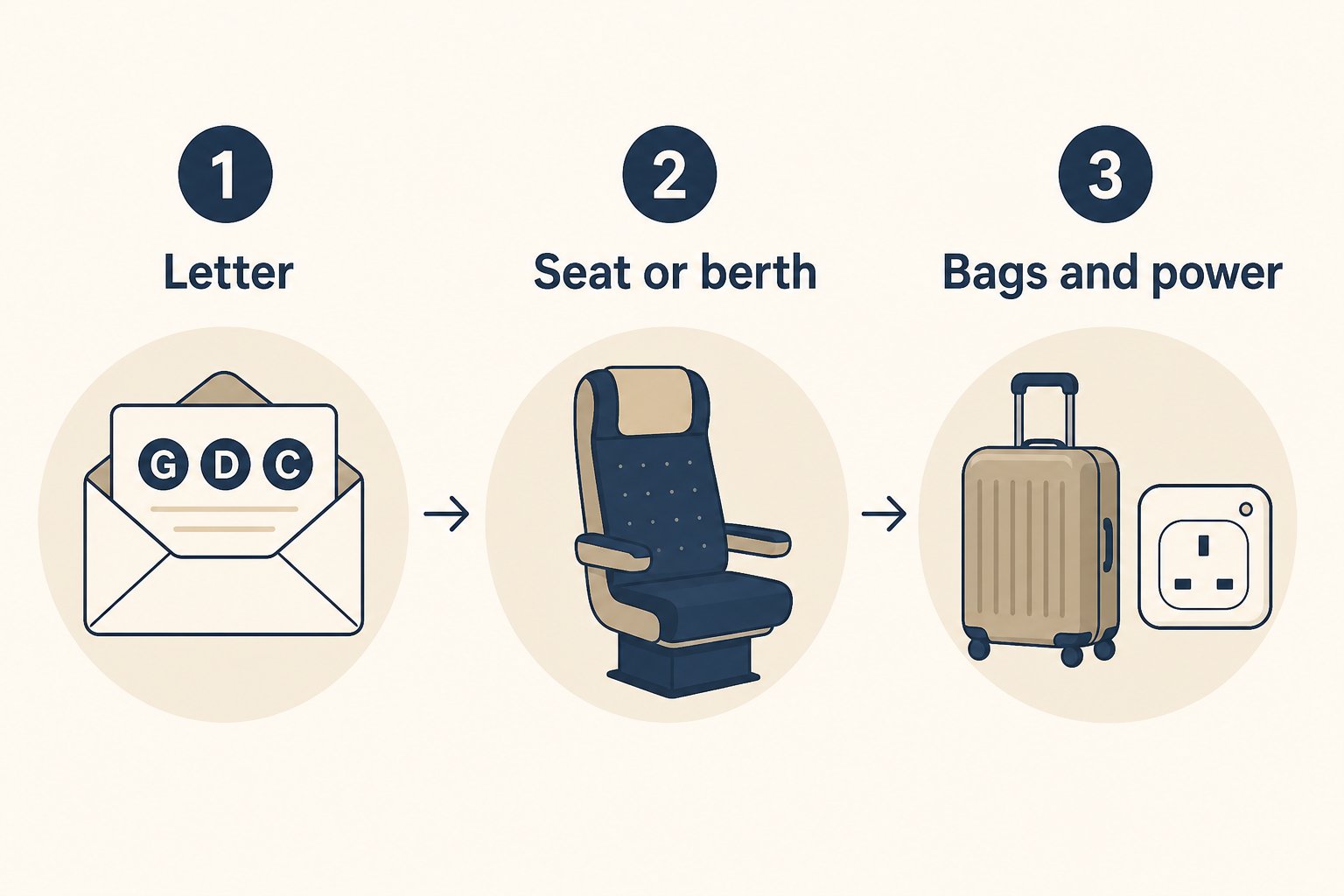
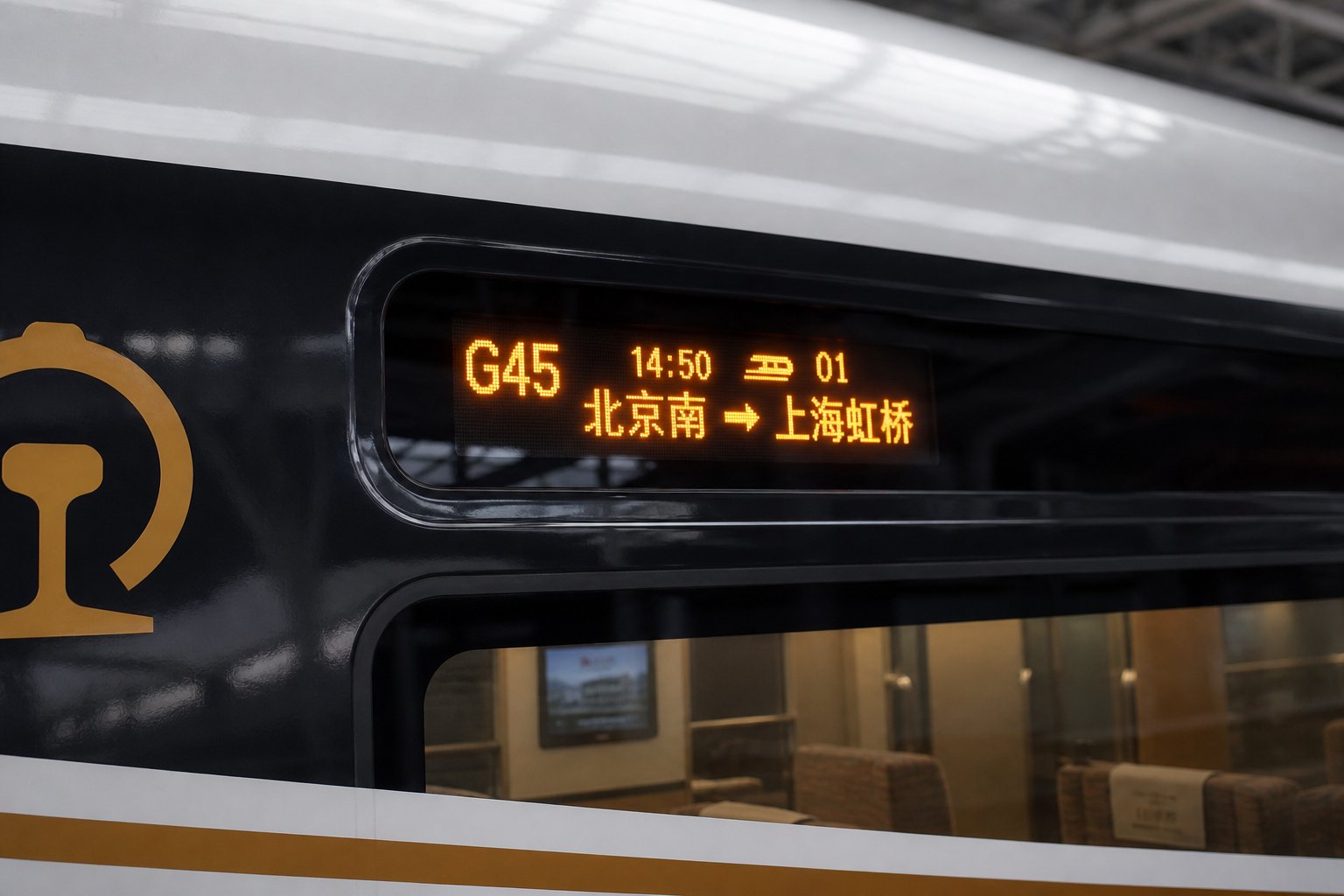
The letter is your speed-and-role code. Digits after it are just the service ID.
- G: fastest daytime high-speed. Typical use is intercity trunks and long tourist hops.
- D: high-speed / EMU, often a bit slower or overnight. Typical use is medium corridors and some sleeper EMUs.
- C: intercity bullet. Typical use is short dense hops between city pairs in the same metro region.
- Z / T / K and others: conventional or overnight classics. Typical use is scenic slow travel and cheaper long nights.
- Fuxing sets: newer EMU hardware often running as G, sometimes D. Quieter, roomier cars on premier lines.
Fuxing (复兴号) is a trainset generation, not a separate letter you type into search. When people say take Fuxing, they usually mean a G service using newer stock: wider body, quieter ride, often marketed as the flagship experience.
Harmony (和谐号) is the earlier widespread EMU family. You rarely choose it by name on 12306. You choose the train number and live with whichever set is rostered that day.
Match Trip Length to the Letter
Use this as a default, then bend it for scenery or budget:
- Under about 1 to 2 hours: prefer C or short G/D. Second class is usually enough.
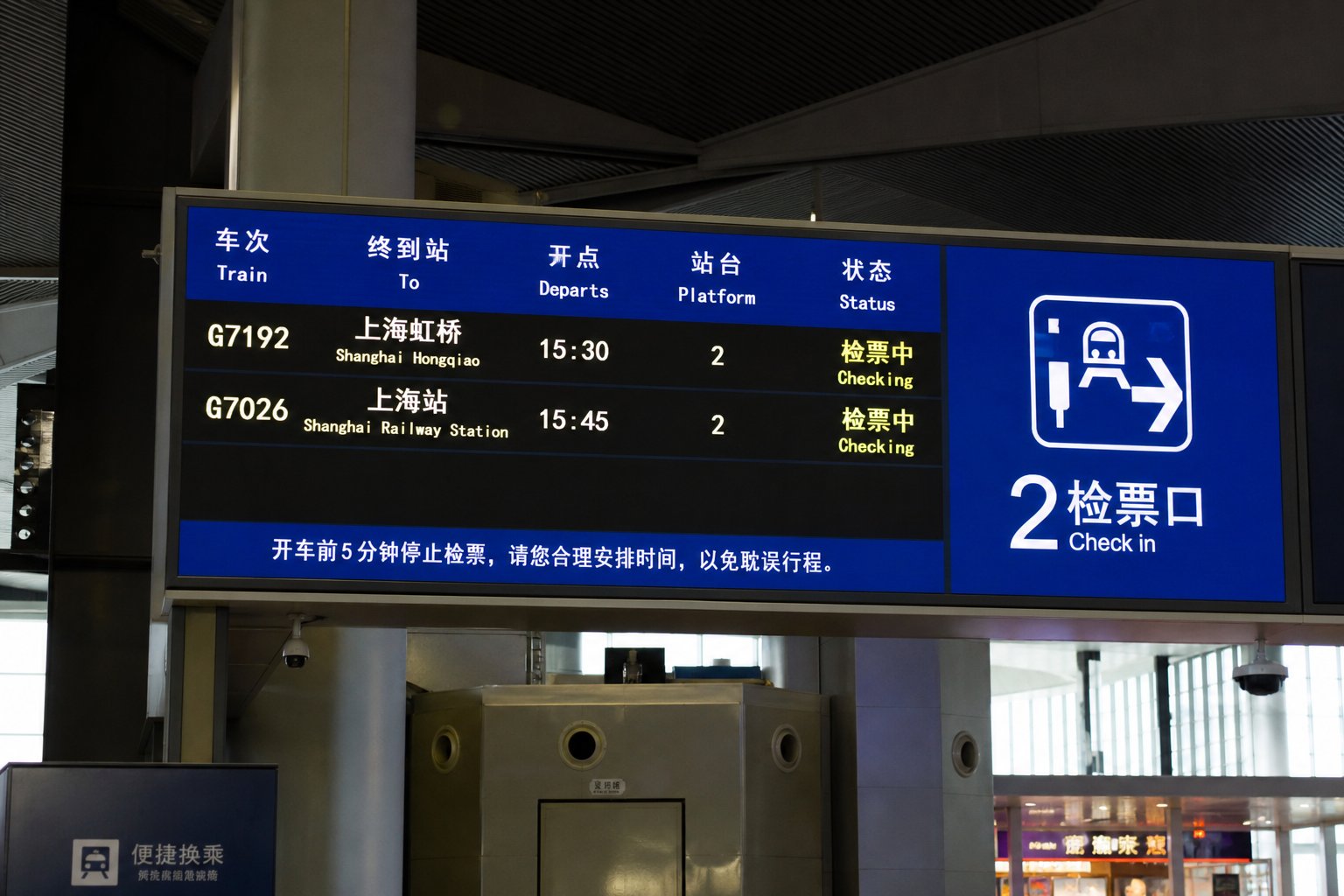
- Half-day city-to-city: G first. D if schedule or price is better.
- Overnight and you want to sleep: look for D sleeper EMUs or conventional Z/T soft or hard sleepers, not daytime G seats.
- Remote or classic lines without HSR yet: conventional letters are normal, not a mistake.
If two options arrive within 30 minutes of each other, pick the one with a better station, closer to your hotel or metro, even if the pure run time is a few minutes longer. Station choice often beats train letter.
Seat Ladder on High-Speed Trains
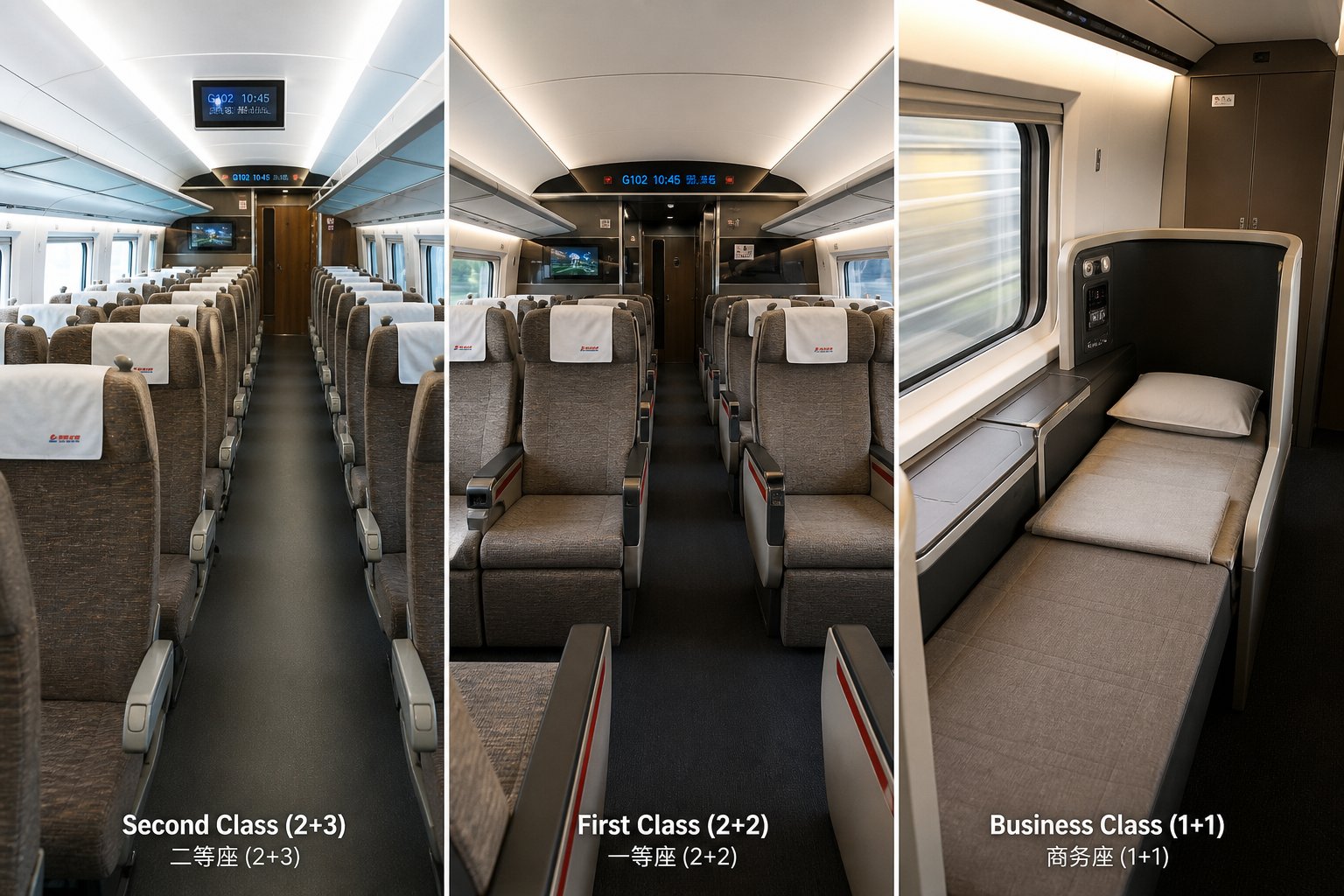
On most G, D, and C services you will see some mix of these seats.
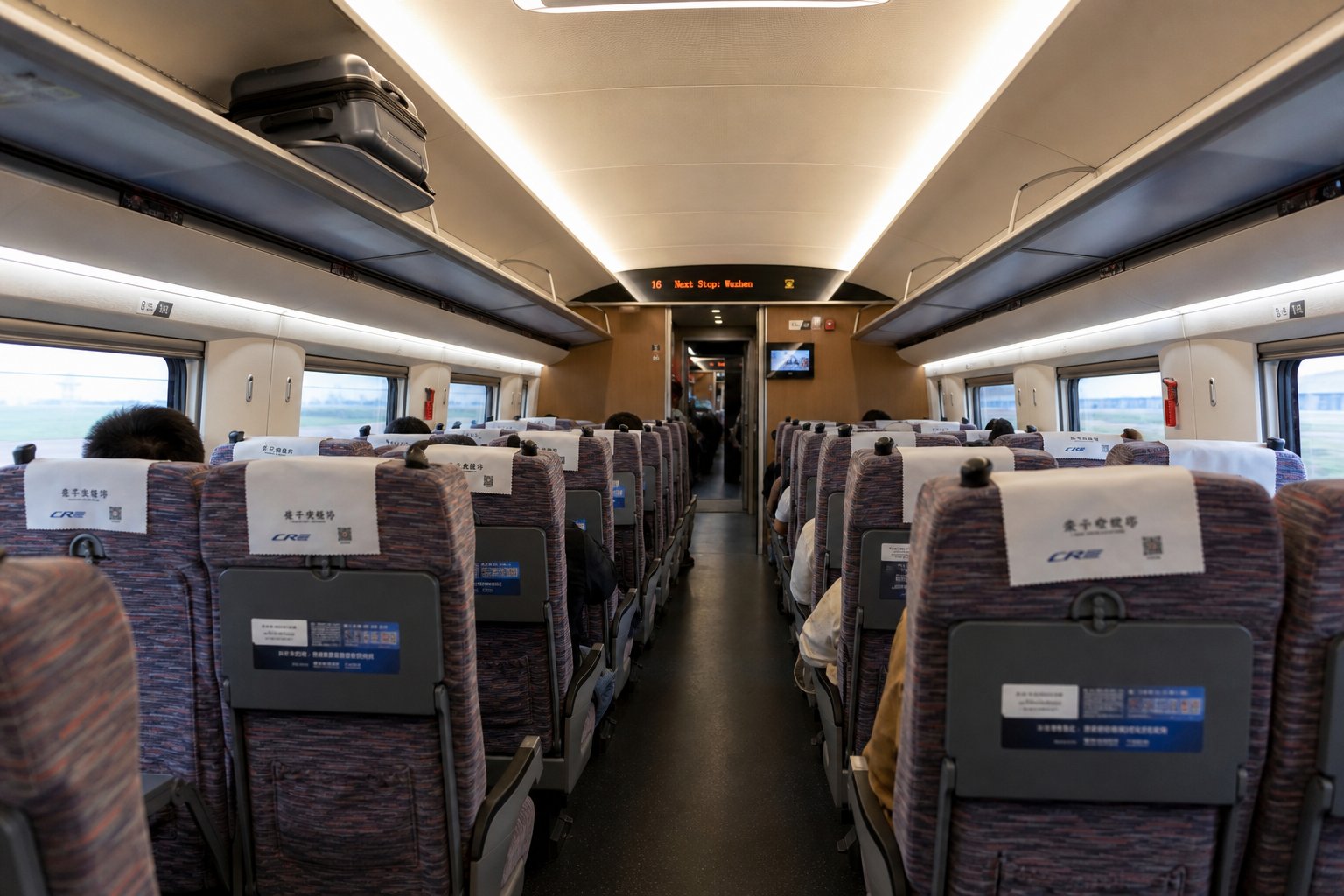
Second class (二等座) is the default tourist choice. The layout is 2+3. It is fine for most daytime hops and can feel full on holiday peaks.
First class (一等座) is 2+2, with a wider seat and a quieter vibe. It is worth it for work, longer rides, or traveling with someone who wants elbow room.
Business class (商务座) is the top seat on many G trains and some D/C trains: near-flat recline, a very quiet cabin, and lounge access at some major stations. Best when the ride is long or you need to arrive camera-ready. Rarely worth it under an hour.
How to choose in one sentence:
- Budget or short hop: second
- Laptop plus 3 to 5 hours: first
- Flagship comfort or a night-sensitive arrival: business
Window versus aisle is personal. Window for scenery and a wall to lean on. Aisle for easy exits at busy stations. On 2+3 second class, the middle seat is the one to avoid if you can.
Berths When You Overnight
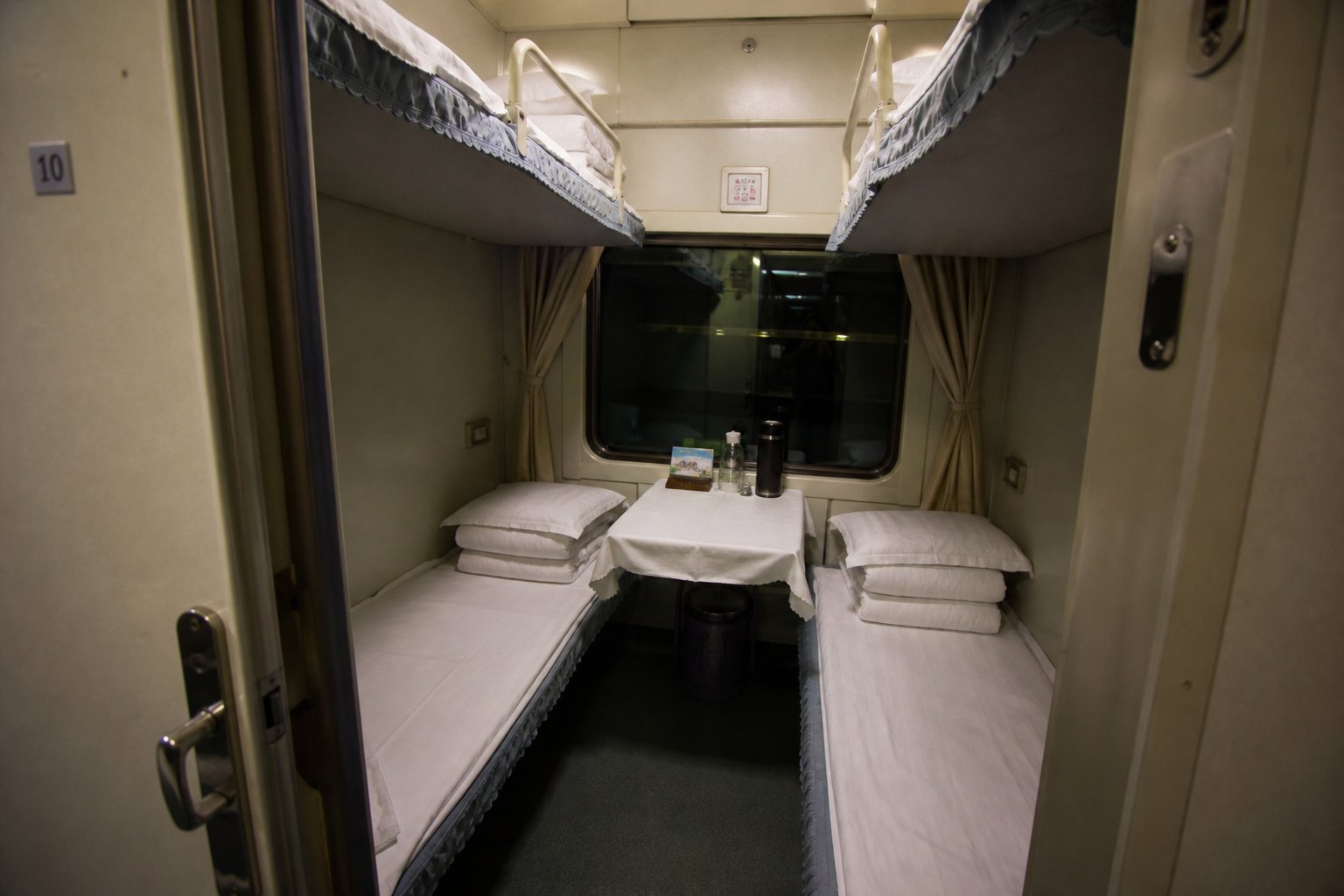
Sleepers appear mainly on D overnight EMUs and conventional trains, not on typical daytime G sets.
- Soft sleeper: usually 4 berths in a closed compartment. Quieter, better for couples or friends.
- Hard sleeper: open-plan bunks, often 6 per section. Cheaper, more social noise.
- Upper, middle, or lower: lower is easiest to climb and sit on by day. Upper is cheaper and more private once you are in.
If your goal is sleep, prioritize a berth and a reasonable arrival time over a glamorous G seat that arrives at 1 a.m. after you stayed upright for eight hours.
Onboard Reality: Luggage, Food, Toilets, Power
Once the letter and seat are fixed, the onboard experience is surprisingly consistent across modern EMUs.
Luggage: official free carry-on limits exist, but day-to-day checks are practical. If it fits the X-ray and you can carry it, you are usually fine. Oversized items and peak days are when rules get stricter. Use overhead racks and the space behind the last row. Keep valuables at your seat. There is no airline-style checked hold on normal passenger trains.
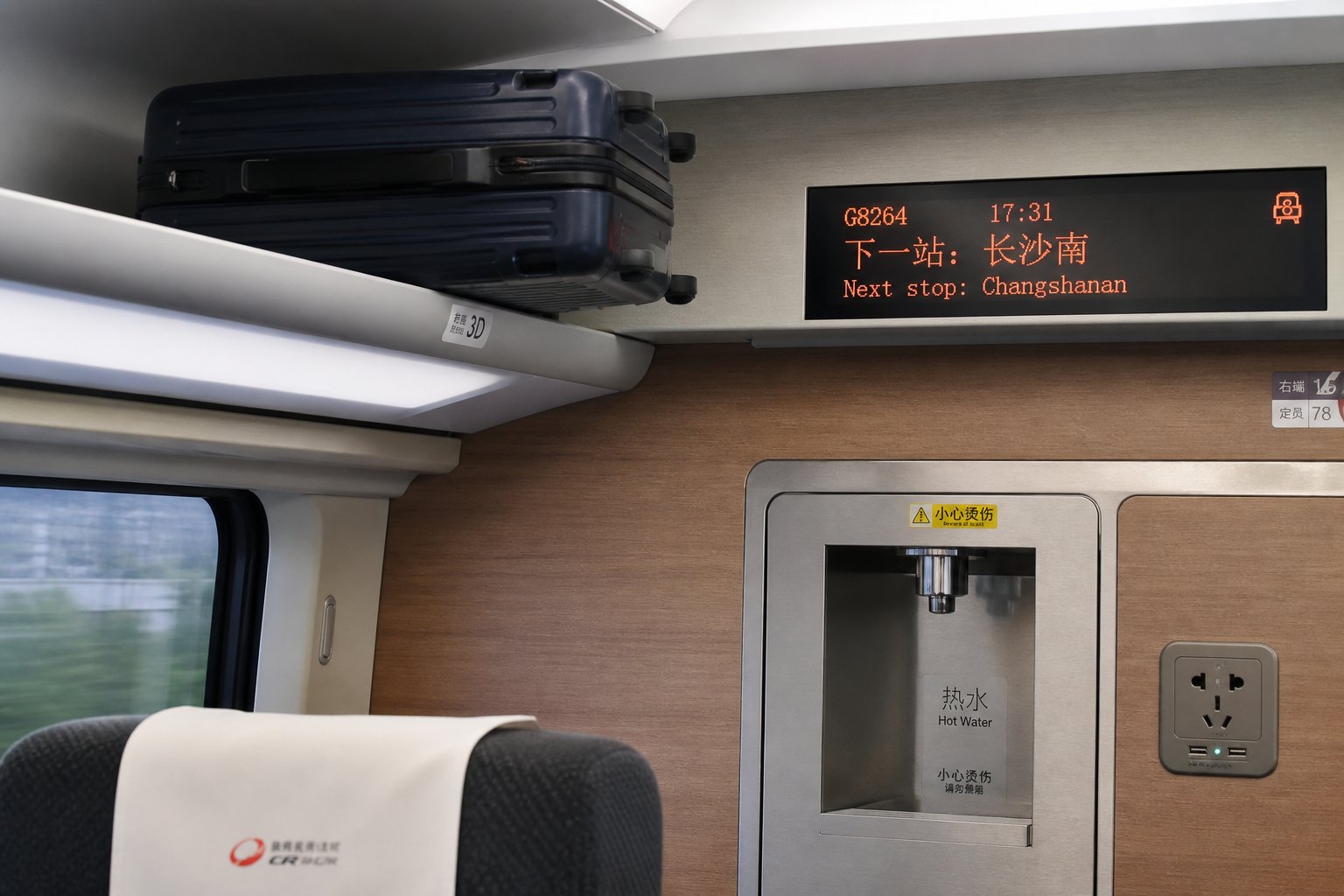
Food and drink: trolley service plus a bar or cafe car on many long G/D runs. Quality varies. Bringing your own snacks and water is normal and smart. Hot water taps are common. Pack a bottle if you drink tea or coffee.
Toilets: one or more per car end on EMUs. Western and squat styles both appear. Go between stations when you can. Doors lock during some stop windows. Carry tissues as backup.
Power, Wi-Fi, announcements: seat power sockets are common on newer sets. Bring a short cable. Onboard Wi-Fi, when present, can be patchy. Announcements are Chinese-first. Watch the LED destination board for the next stop so you do not ride past your station.
Staff and comfort: conductors can help with seat disputes and lost items. English is uneven. Temperature is usually cool, so carry a light layer. Quiet cars are rare. Soft headphones beat confrontation.
Fast Decision Card
Use this card in order:
- Pick stations on China Train Maps.
- Prefer G for long daylight trunks, C for short hops, and D or conventional for sleepers.
- Default seat: second. Upgrade to first when the ride is your workday. Business only for long flagship legs.
- Pack light, bring water, and screenshot the order from Everything About China Train Tickets.
- Follow the station-day steps in the China Train Travel Guide.