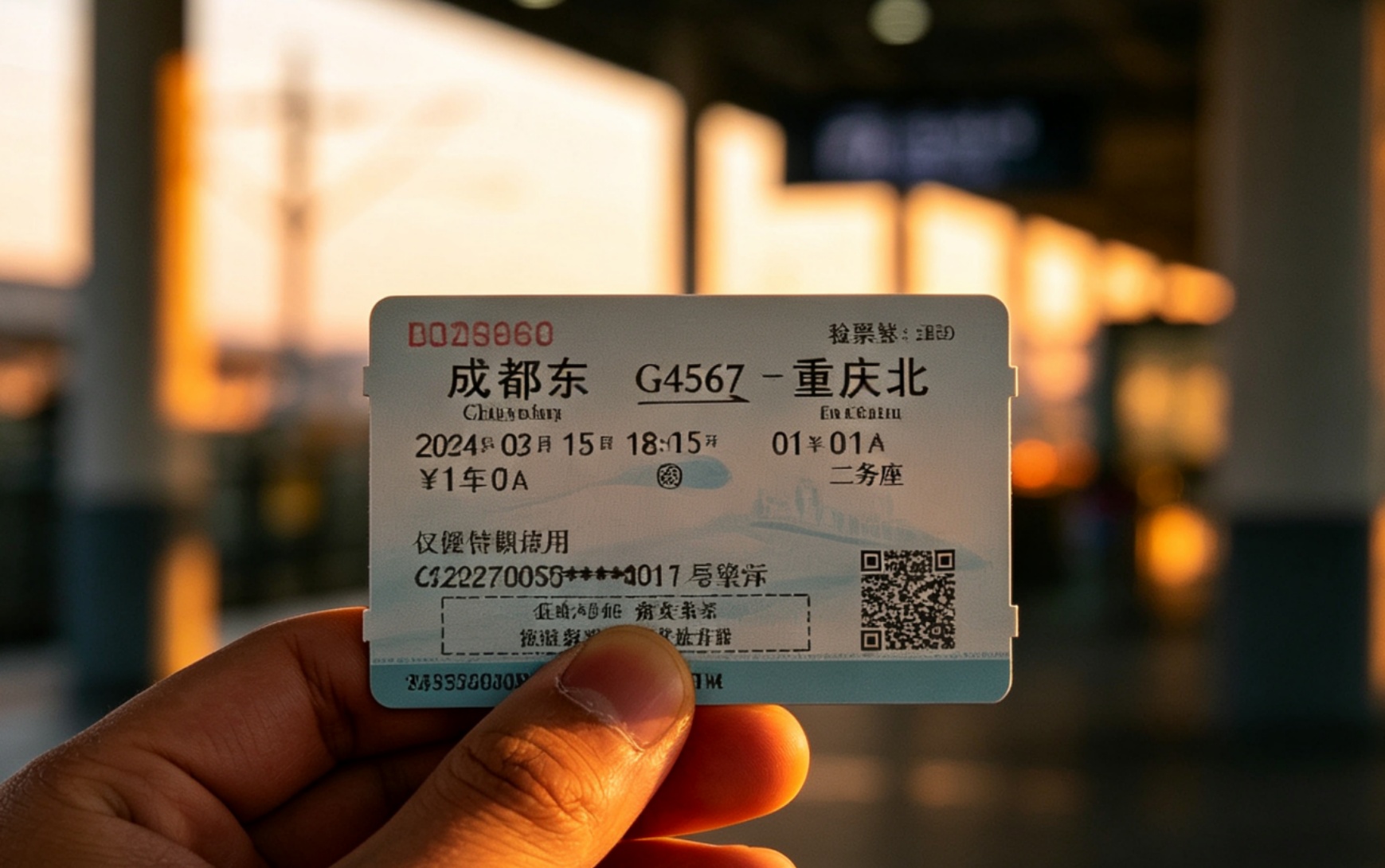
What a China Train Ticket Really Is
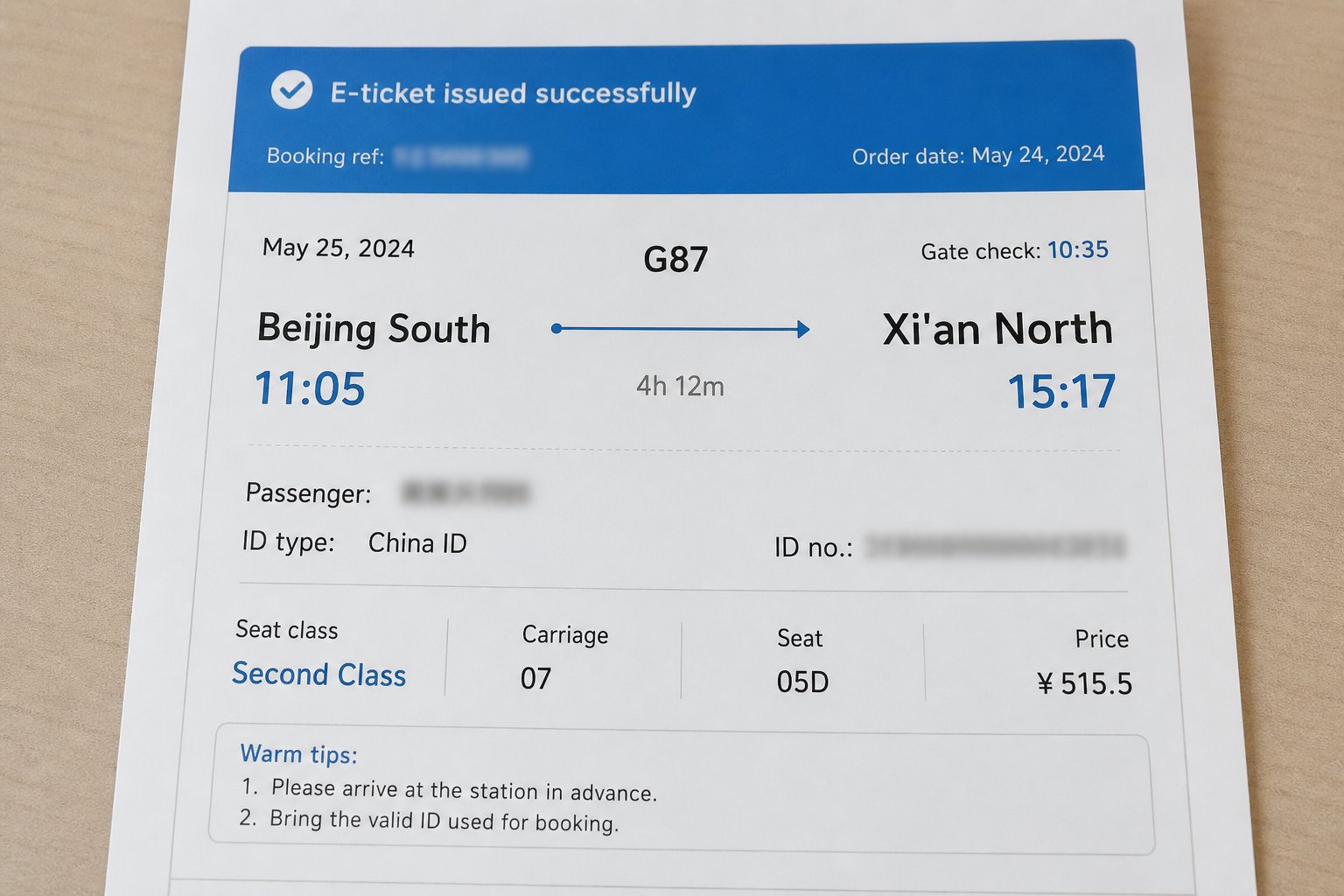
A China train ticket is not a souvenir. It is your right to board a specific train, at a specific station pair, on a specific day. Most visitors now travel on e-tickets: you pay online, keep the confirmation, and walk through the gate with the same passport you used to book.
This page follows the order you will actually face: when and how to buy, what the order means, how to enter the station, and what to do if plans change. For train letters and seat classes, jump to China Train Types, Seats and Services. For corridors and hubs, see China Train Maps. For the full trip playbook, see the China Train Travel Guide.
Decide Timing Before You Open Any App
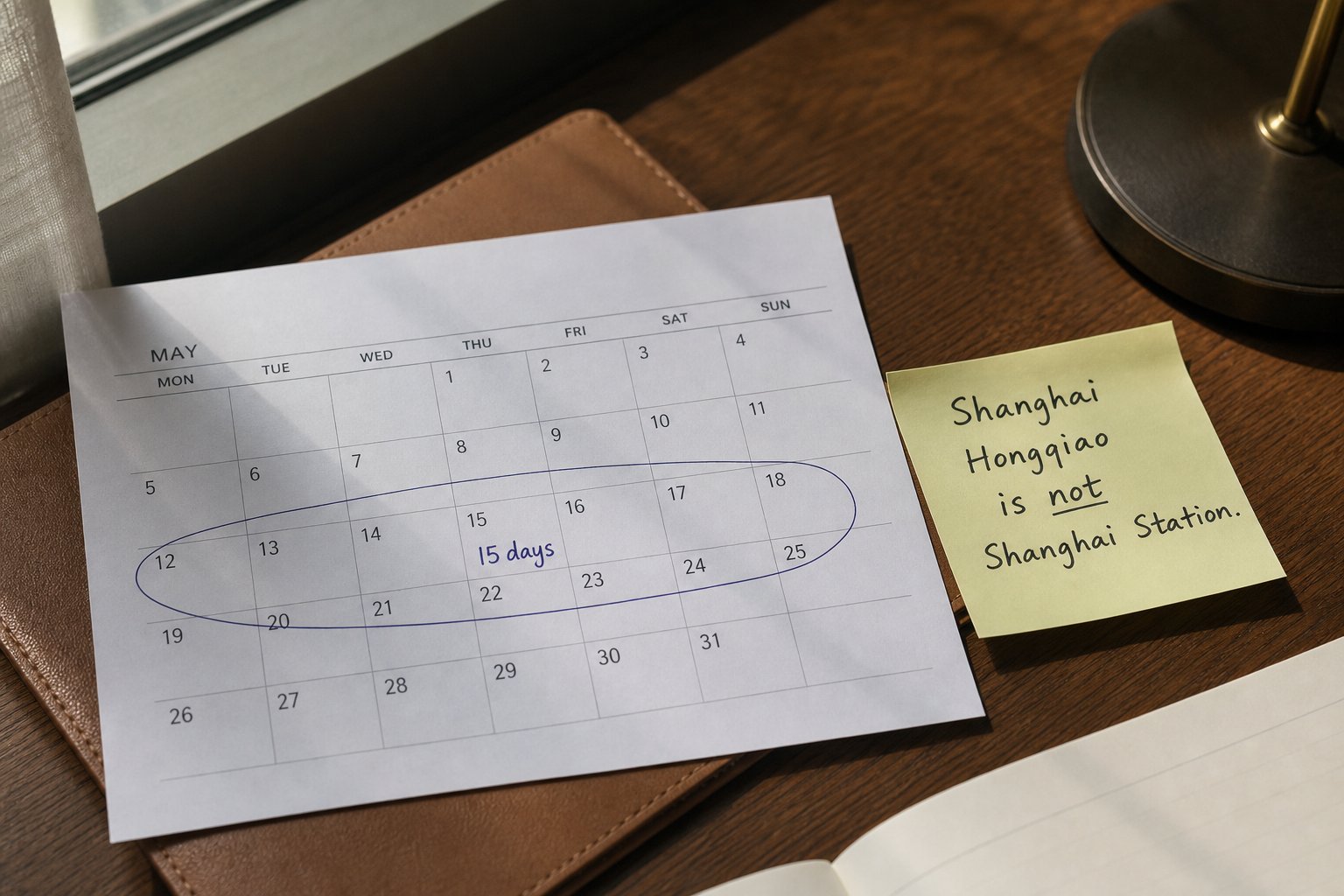
China Railway sells seats on a rolling calendar. For everyday travel, treat about 15 days before departure as the usual open window. Holiday weeks (Spring Festival, National Day, major school breaks) sell out faster. Popular G trains on Beijing-Shanghai, Beijing-Xi'an, and Shanghai-Hangzhou can empty within hours of release.
Before sales open:
- Lock your must-have date and exact stations. Shanghai Hongqiao is not Shanghai Station.
- Write Plan B: a later train, a nearby station, or a slower letter if the fast ones vanish.
- Finish 12306 registration early. Passport review can take hours to a couple of days.
Hong Kong-Mainland high-speed tickets at West Kowloon generally follow a similar advance window whether you buy online, at a machine, or at a counter.
Choose a Buying Channel That Matches Your Trip
Pick one primary channel and keep a backup.
- 12306 English site: best when you want face-value fare and full control. The trade-off is UI friction, and card options vary by day.
- Travel platform or agent: useful on a first China trip, with tight connections, or when you want English help for changes. Expect a service fee plus the platform's own refund rules.
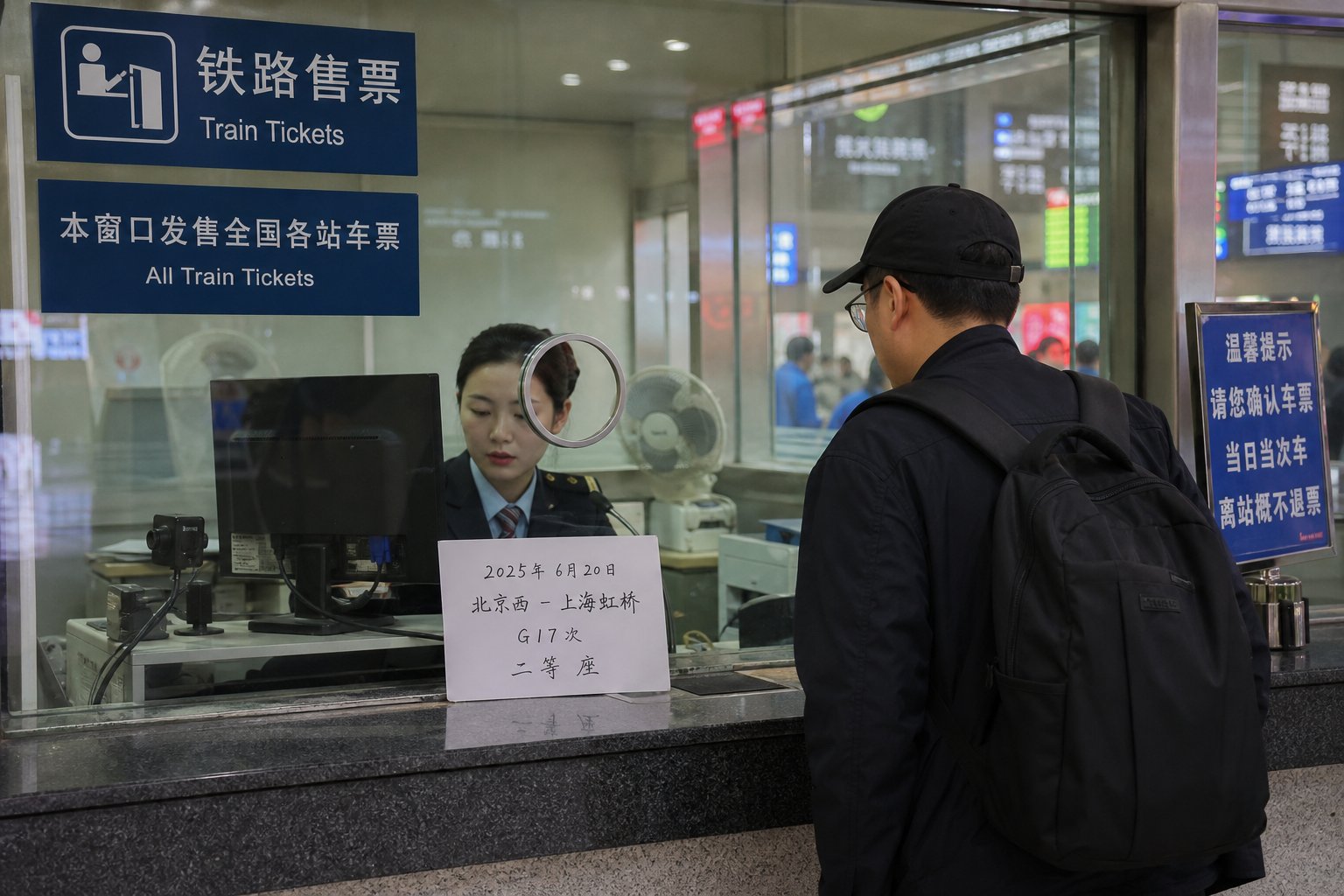
- Station ticket window: same-day seats, or when machines reject passport travelers. Expect queues. English is uneven outside big hubs.
- Licensed shop (火车票代售点): useful when you are already near the hotel. There is a small per-ticket fee, and hours are often daytime only.
- Hotline +86 12306: when the website fails mid-journey. International calls cost money, and you still must pay on time.
12306 self-buy in short:
- Register with the passport you will carry at the gate, plus an email.
- Add every passenger exactly as printed on their document.
- Search by station, not only city.
- Choose train letter and seat class. See China Train Types, Seats and Services.
- Pay, then screenshot the order before you lose signal inside a station.
Most station kiosks expect a Mainland ID card. Passport holders should go to a human window with a note: date, from-to stations, train number, seat class.
Fares, Kids, and What Sold Out Really Means
High-speed fares are not a frozen price list. Season, hour, and demand can move the same corridor up or down. Treat any blog number as illustrative. The amount on the checkout page is what you pay.
Children, typical public rules, confirm on the order page:
- About age 6 to under 14: child discounted fare.
- One under-6 child may ride free with an adult without an extra seat. More under-6 kids, or any child who needs a seat, need a paid child ticket.
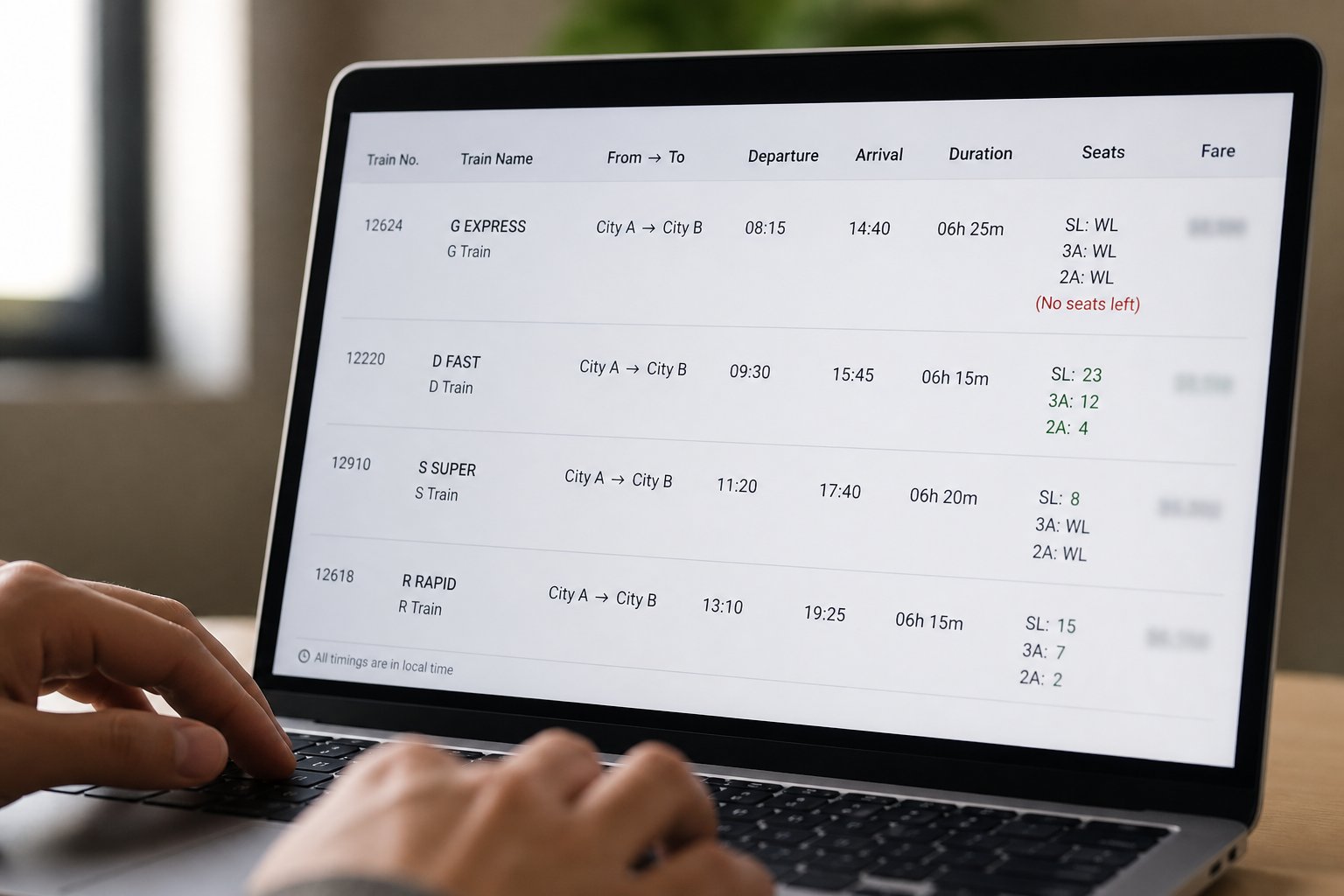
If the train you want shows no seats:
- Try a nearby departure time or a parallel station.
- Check whether a D or conventional letter still has space when G is gone.
- Same-day windows sometimes release leftover inventory. Arrive early and stay flexible.
Read the Order Like a Boarding Checklist
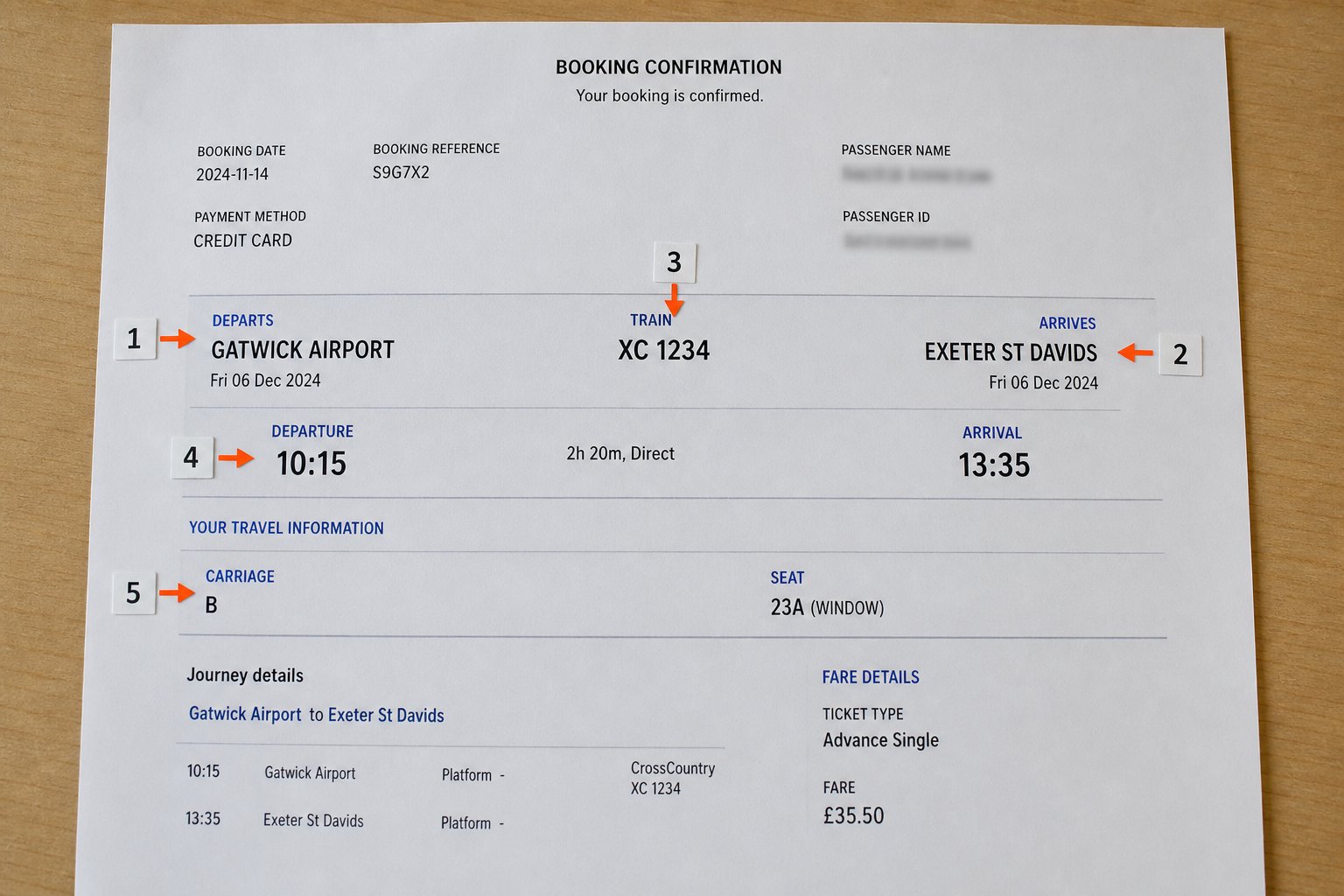
Paper slips mix Chinese characters, pinyin, and numbers. E-ticket screens are only slightly kinder. You do not need every character. You need five answers before you move:
- Gate / check-in entrance (检票口). Often shown on screens inside the station, not only on the ticket.
- Exact stations: departure and arrival names, not just cities.
- Train number: letter plus digits, such as G1234 or D5678.
- Departure time in Beijing time.
- Car plus seat, or berth.
Blue magnetic paper usually works at automatic gates. Red slips may need a staff check. Color is about the scanner, not comfort class.
The Latin spelling on your booking must match the passport. A single letter typo can stop you at the gate. Fix it the day you pay, not the morning you travel.
Travel Day: E-Ticket Boarding
For most passport travelers with a paid e-ticket:
- Arrive 30 to 60 minutes or more early at large hubs. Add time if you need luggage storage or a long walk to the gate.
- Pass security with passport and bags.
- Find your train on the departure board and note the gate.
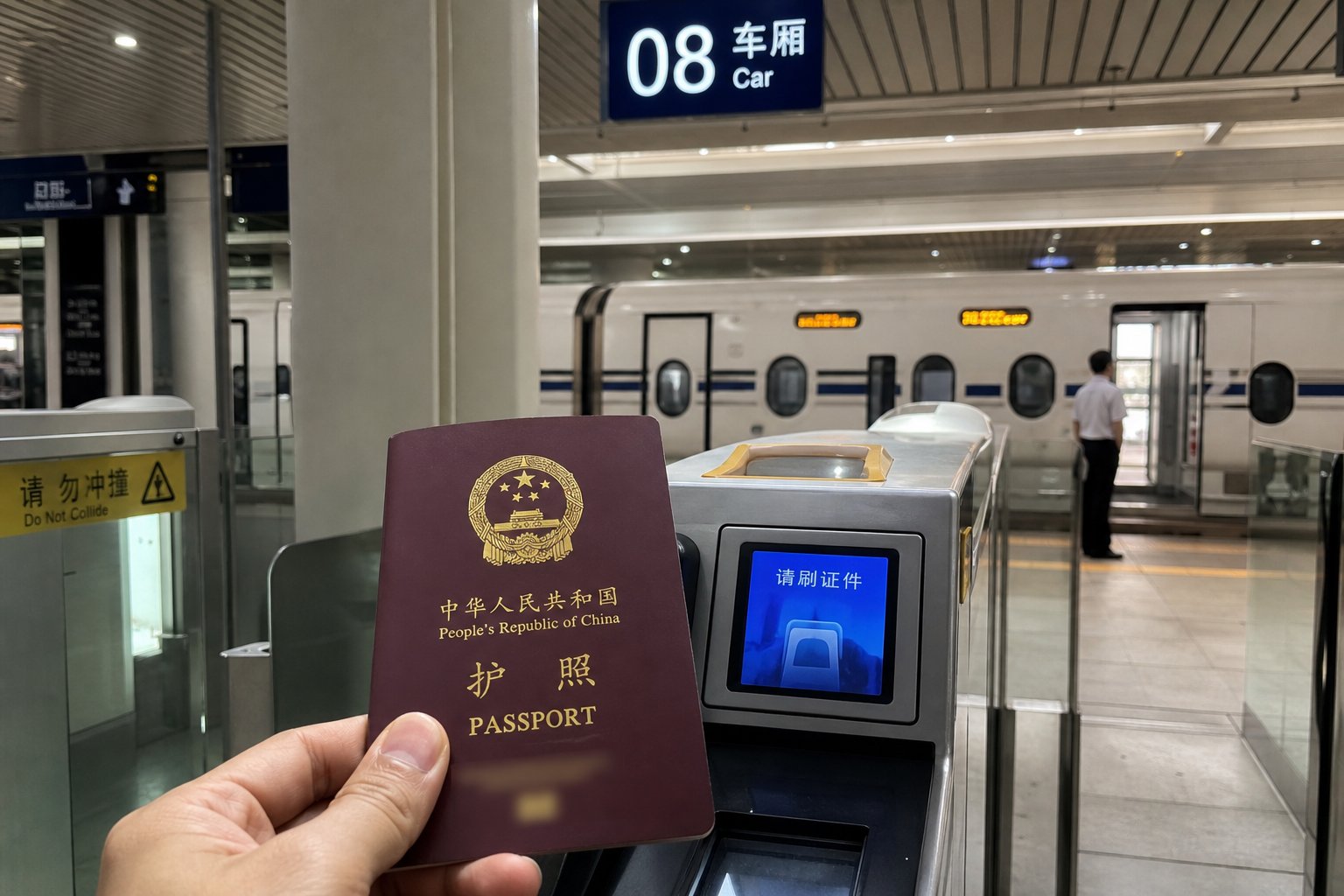
- Scan or present the passport at the gate when boarding opens.
- Match the car number on the platform markings. Seat numbers are above the seats inside.
You usually do not need to print a ticket. Collect paper only if a staff member asks, if you need it for a company expense claim, or if your booking channel explicitly requires it. Collection windows also need the original passport of each passenger.
Missed the train? Do not assume the ticket moves automatically. Go to a window or the app and follow change and refund rules below.
Change First, Refund Second
When plans shift, think in this order:
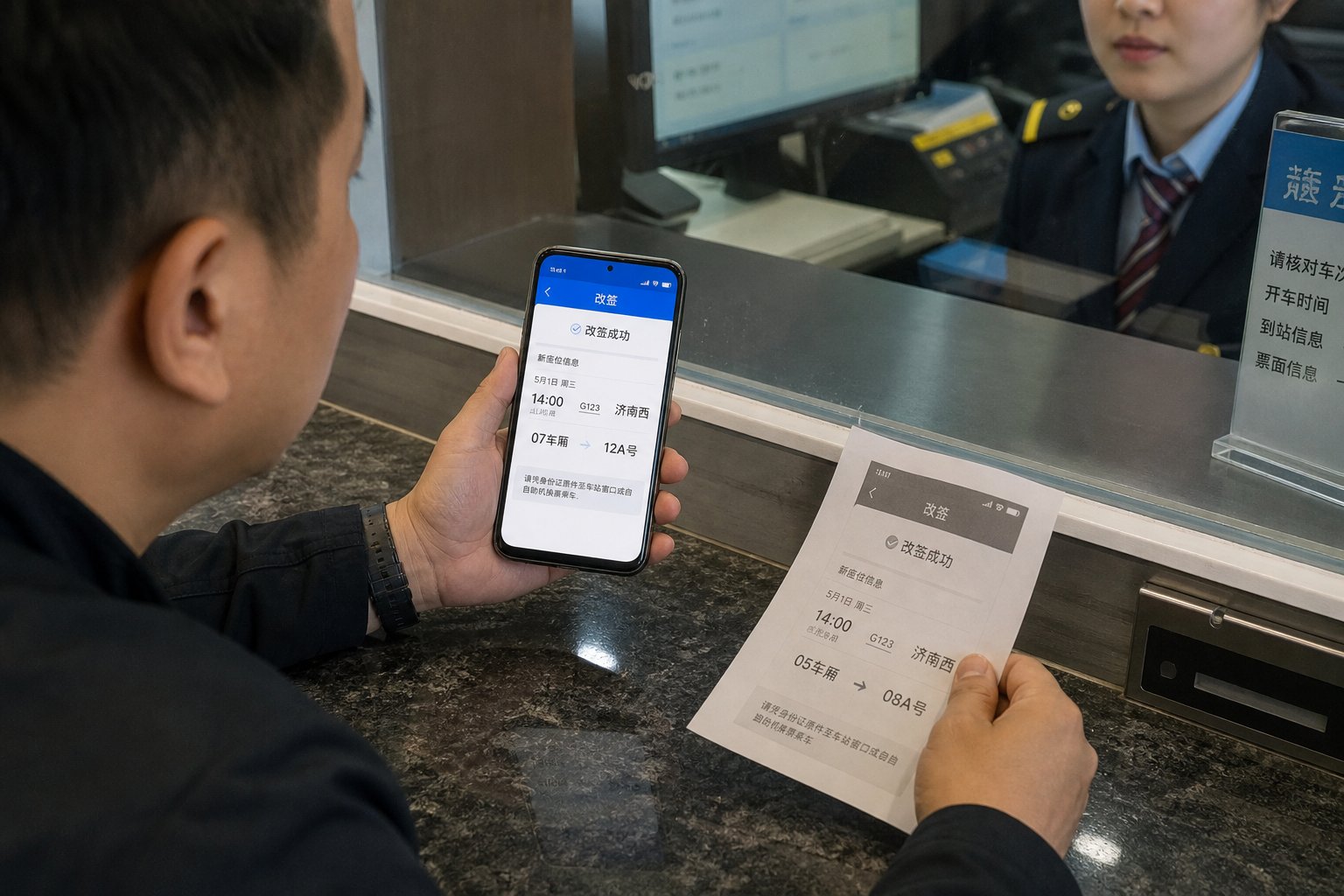
- Change (改签): keep traveling by rail on a different train, date, or class when inventory allows.
- Refund (退票): cancel and take money back under the fee schedule.
Rules and fees depend on how early you act and whether you change online or at a counter. Peak periods and some ticket types are stricter. Always read the live prompt on 12306 or ask the window. Blog summaries go stale.
Practical habits:
- Change as soon as you know. Waiting until the departure hour burns options and money.
- If a platform booked for you, their service fee may be non-refundable even when the rail fare is.
- After a successful change, re-check gate, car, and seat. Old screenshots lie.
One-Page Checklist
Run this list before you travel:
- Passport registered and verified on your buying channel
- Exact stations and a backup train chosen
- Order screenshot saved offline
- Name spelling matches passport
- Arrival buffer at the station
- You know where to change or refund if plans move
Next: pick the right train and seat in China Train Types, Seats and Services, then sketch the route on China Train Maps.