Four, eight, or eighteen
Chinese food does not fit one “eight great cuisines” label. Four are the old core, eight the wider map, eighteen a later stretch. There is no official list past that.
What drives the flavor is geography. On the old cuisine map, the west means Sichuan, not Xinjiang. Remember four words: Sichuan spicy, North hearty, South fresh, East delicate. Then hand them to the itinerary, not to a ranking.
Cuisines are the formal family: grand restaurants and textbooks. Street snacks are the food people actually eat: stalls, alleys, every morning. You need both. On a trip, pick a flavor first, then match the city.
We ask one question before the restaurants: do you want spicy, fresh, hearty, delicate, or something different at every meal? Halal, vegetarian, allergies, and children’s tastes go into the written plan. The rule is to eat the dish where it belongs: hot pot in Chongqing, yum cha in Guangzhou, mutton-soaked bread in Xi’an, soup dumplings in Jiangnan.
A map, not a border
The idea of “cuisines” is relatively recent. Around the late Qing, as dining cities grew, chefs and writers began sorting Chinese food into schools.
- Four great cuisines are the most widely held frame: Sichuan, Shandong, Cantonese, Jiangsu. Roughly the western basin, the northern plains, the southern sea, and the eastern water towns. Each began as a landscape, then became a menu.
- Eight great cuisines add Fujian, Zhejiang, Hunan, and Anhui. Southeast seafood, Jiangnan refinement, Hunan’s straight heat, and Anhui’s cured and smoked cooking.
- Ten, eighteen, and beyond are newer. Beijing roast duck, Shanghai’s soy-braised dishes, Wuhan hot-dry noodles, Shaanxi mutton-soaked bread, and Northeast sweet-and-sour pork each get nominated by loyal fans. The longer the list, the louder the argument. Chinese cooking was never going to fit a number.
For a guest, four words beat eight names. Sichuan spicy, North hearty, South fresh, East delicate. Then go to the city and eat.
Sichuan
Sichuan and Chongqing are the spicy face, and not only spicy.
- Geography: a humid basin. Chili and Sichuan pepper cut through the damp.
- Flavor: spice is the headline. The craft is the compound profiles: fish-fragrant, kung pao, strange taste, red oil. One dish, one character.
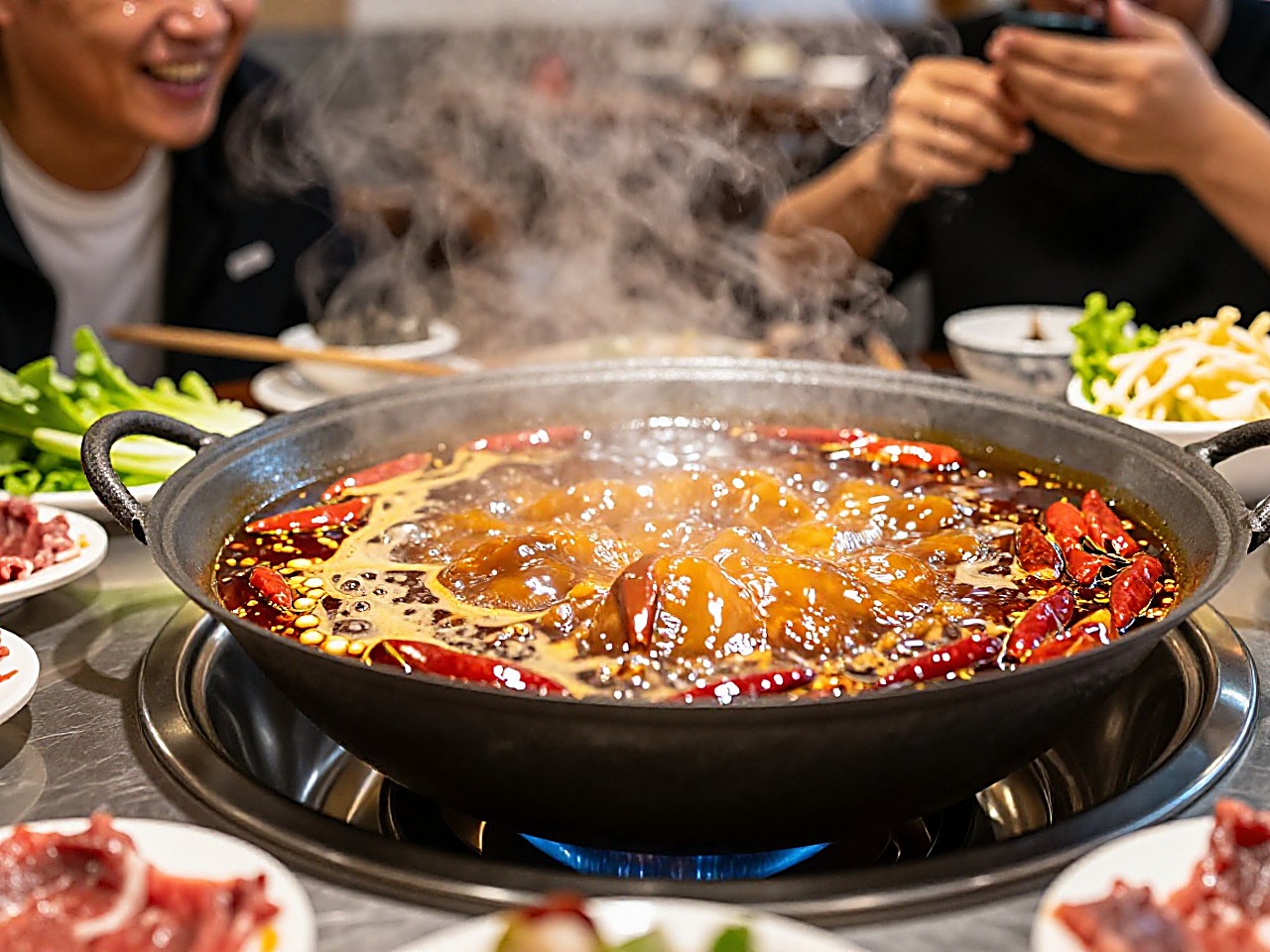
- Dishes: mapo tofu, kung pao chicken, twice-cooked pork, water-boiled fish. Hot pot and skewers are the social table.
- For the trip: “Sichuan means only spicy” is a misread. The skill is how the flavor changes. For a lively family, one serious hot-pot night in Chongqing or Chengdu usually beats three forgettable restaurants.
Shandong
Shandong, called Lu cuisine, is the hearty source, and the backbone of the old imperial kitchen.
- Geography: the Qi-Lu plains, plus seafood from the coast. It historically served courts and officials.
- Flavor: salty and savory, built on slow stocks and control of the fire. Much of what people call northern cooking starts here.
- Dishes: scallion-braised sea cucumber, nine-turn intestine, sweet-and-sour Yellow River carp, quick-fried offal.
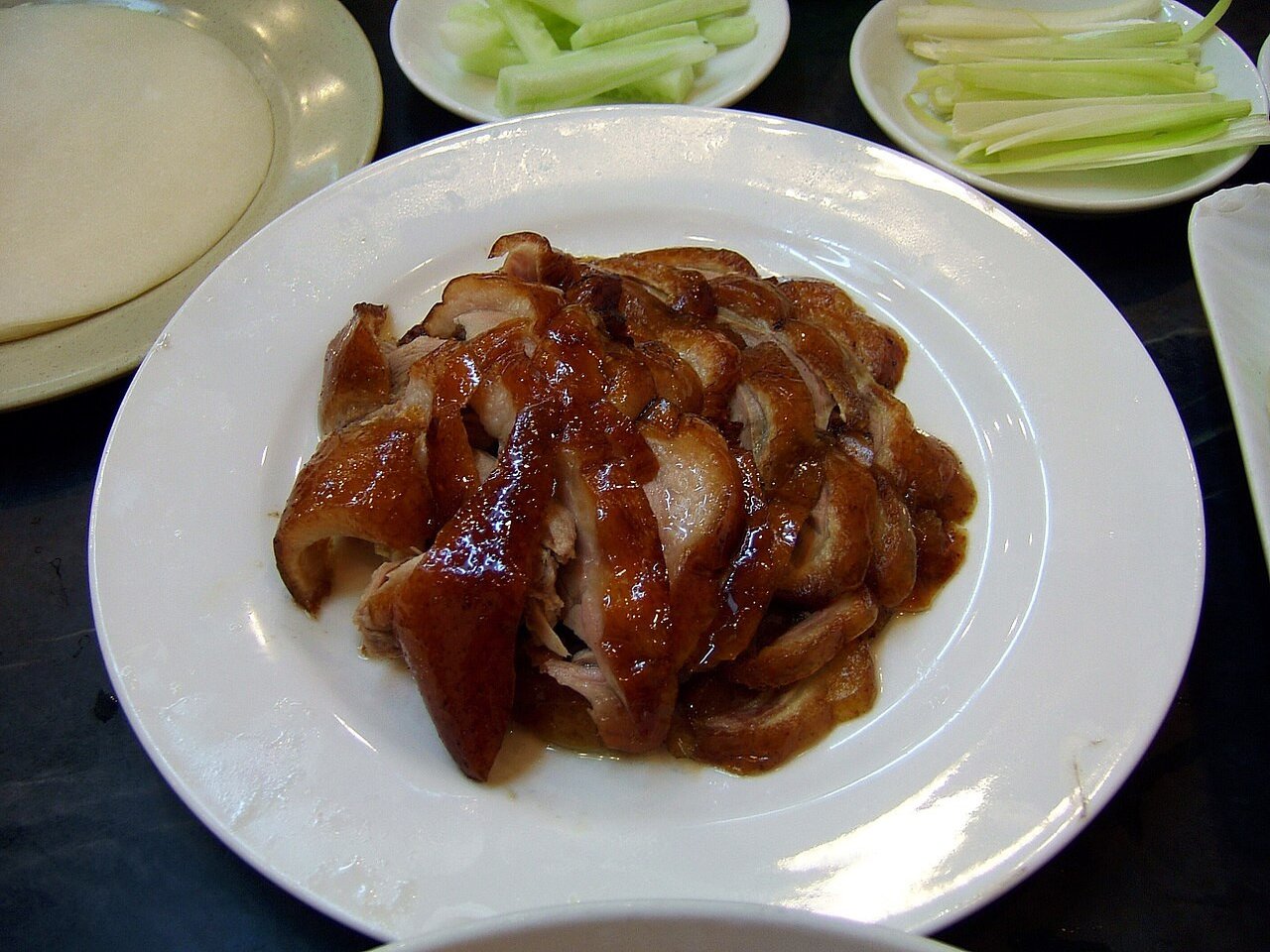
- For the trip: Beijing food still carries a Shandong shadow, including roast-duck technique and banquet manners. If you want a meal that is classic and solid, formal dinners on the northern route lean this way.
Cantonese
Cantonese cooking, across Guangdong, Hong Kong, and Macau, is the fresh philosophy, and it traveled first.
- Geography: humid Lingnan and two coasts. The goal is the ingredient itself, and the breath of the wok, wok hei.
- Flavor: clear, fresh, tender, bright. Seasoning stays back so the ingredient does the work.
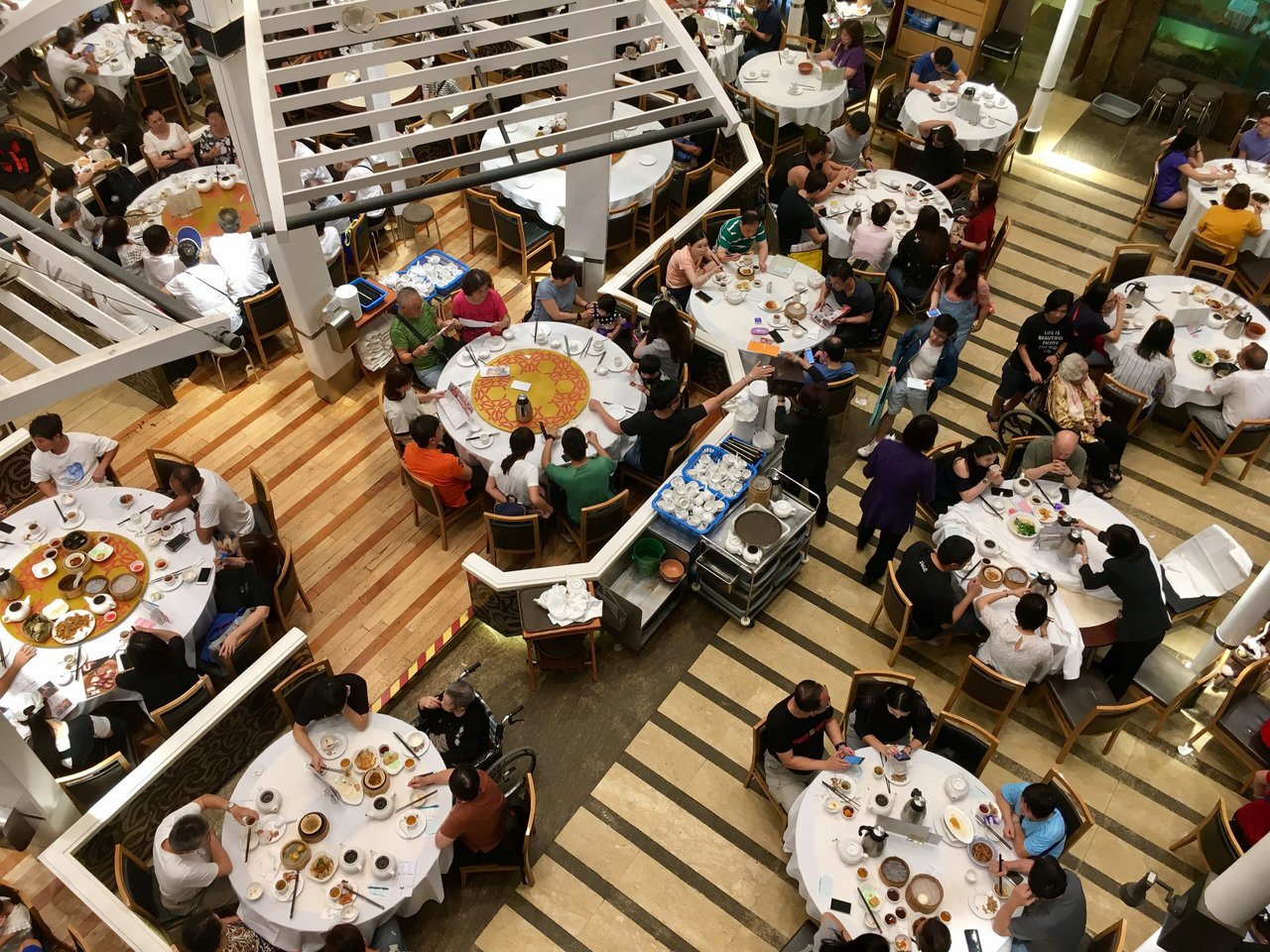
- Dishes: white-cut chicken, roast meats, steamed seafood, slow soups. Yum cha is the aristocrat of snacks: har gow, siu mai, rice-noodle rolls.
- For the trip: this is the Chinese cuisine that went abroad first. With dietary limits, several generations at one table, or a day when the stomach needs a rest, Guangzhou or Hong Kong yum cha is the safest happy meal.
Jiangsu
Jiangsu, and Huaiyang inside it, is the delicate extreme: knife work and fire.
- Geography: Jiangnan water towns, where scholars and salt merchants built a banquet culture.
- Flavor: gentle balance, a moderate salty-sweet. The craft is the knife, the timing, and the plate.
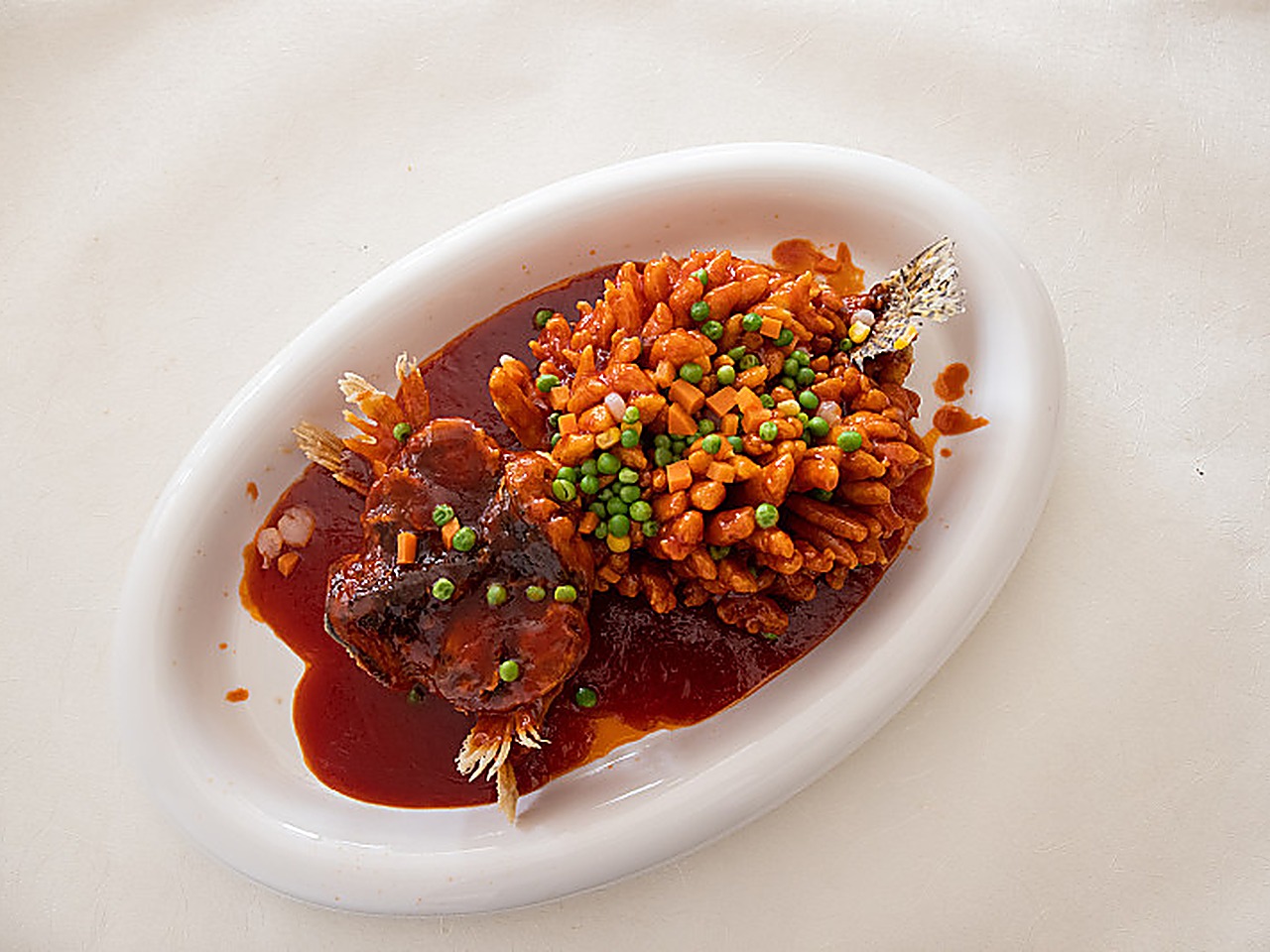
- Dishes: squirrel-shaped mandarin fish, braised lion’s-head meatballs, wensi tofu, and dazhu gansi.
- For the trip: this style often sits under state banquets. The highest craft does not have to be heat. It can be precision. It suits a table that does not want spice, on a Suzhou or Hangzhou route.
Fujian, Zhejiang, Hunan, Anhui
These four widened the map from four cuisines to eight.
- Fujian: the sea as the pantry, and soups built slowly. Buddha Jumps Over the Wall is the legend of one jar holding mountain and sea. Shacha sauce and the daily catch are ordinary life. Stay long enough for one serious soup.
- Zhejiang: the other Jiangnan thread. Clear, tender, bright. West Lake vinegar fish, Longjing shrimp, and Dongpo pork carry the old stories. One Zhejiang dinner makes Hangzhou feel like Hangzhou.
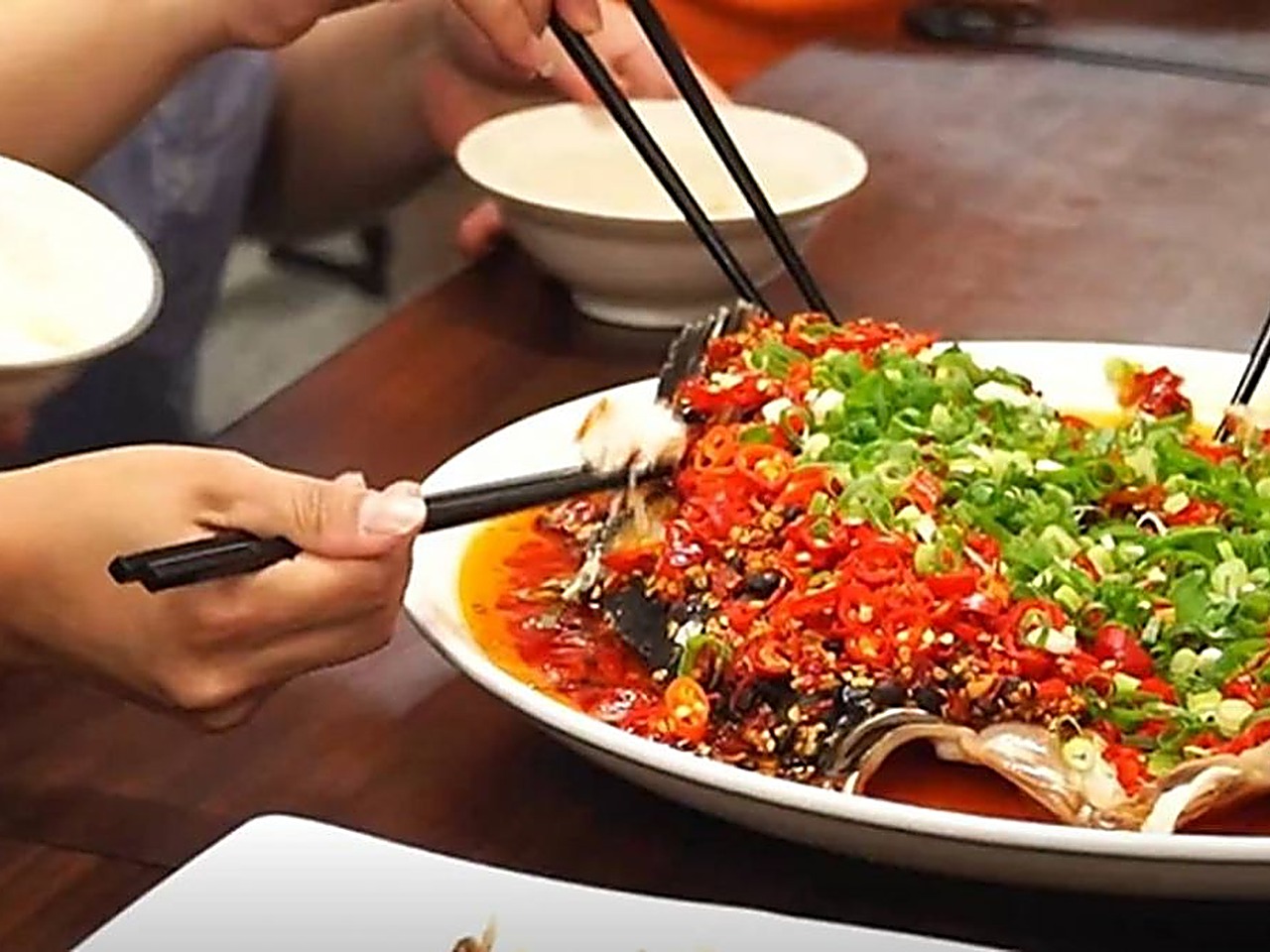
- Hunan: straight heat. Chopped-chili fish head, pork stir-fried with chili, Changsha stinky tofu. The spice is a temperament, and so is the night market.
- Anhui: mountain curing and a long fire. Stinky mandarin fish, hairy tofu, ham stews. Better than forcing a Sichuan meal onto a Huangshan day.
Ten, eighteen, and the longer lists
Beyond eight, the list keeps growing.
- Beijing: roast duck, mutton hot pot, zhajiangmian. The root is Shandong, plus later Manchu cooking. Fans sometimes call it the ninth.
- Shanghai, benbang: oil-rich and sauce-bright. Braised pork, stir-fried shrimp. The taste of a trading city.
- The others each have a claim. Wuhan has hot-dry noodles. Jiangxi has clay-pot soup. Shaanxi has mutton-soaked bread. Henan has stewed noodles. Hebei has donkey burgers. The Northeast has sweet-and-sour pork. Yunnan has crossing-the-bridge noodles. Guizhou has sour-soup fish. Guangxi has river-snail rice noodles.
There is no official eighteenth cuisine. Inside one province the flavor can already split. For a trip, the useful question is which city you pass through, and what that city should feed you.
Street snacks
Cuisines live in grand restaurants. Street snacks are a city’s real name, and they fit a city day better than a banquet.
North: noodles and bread
- Beijing: fermented mung-bean drink with fried rings, zhajiangmian, luzhu stew.
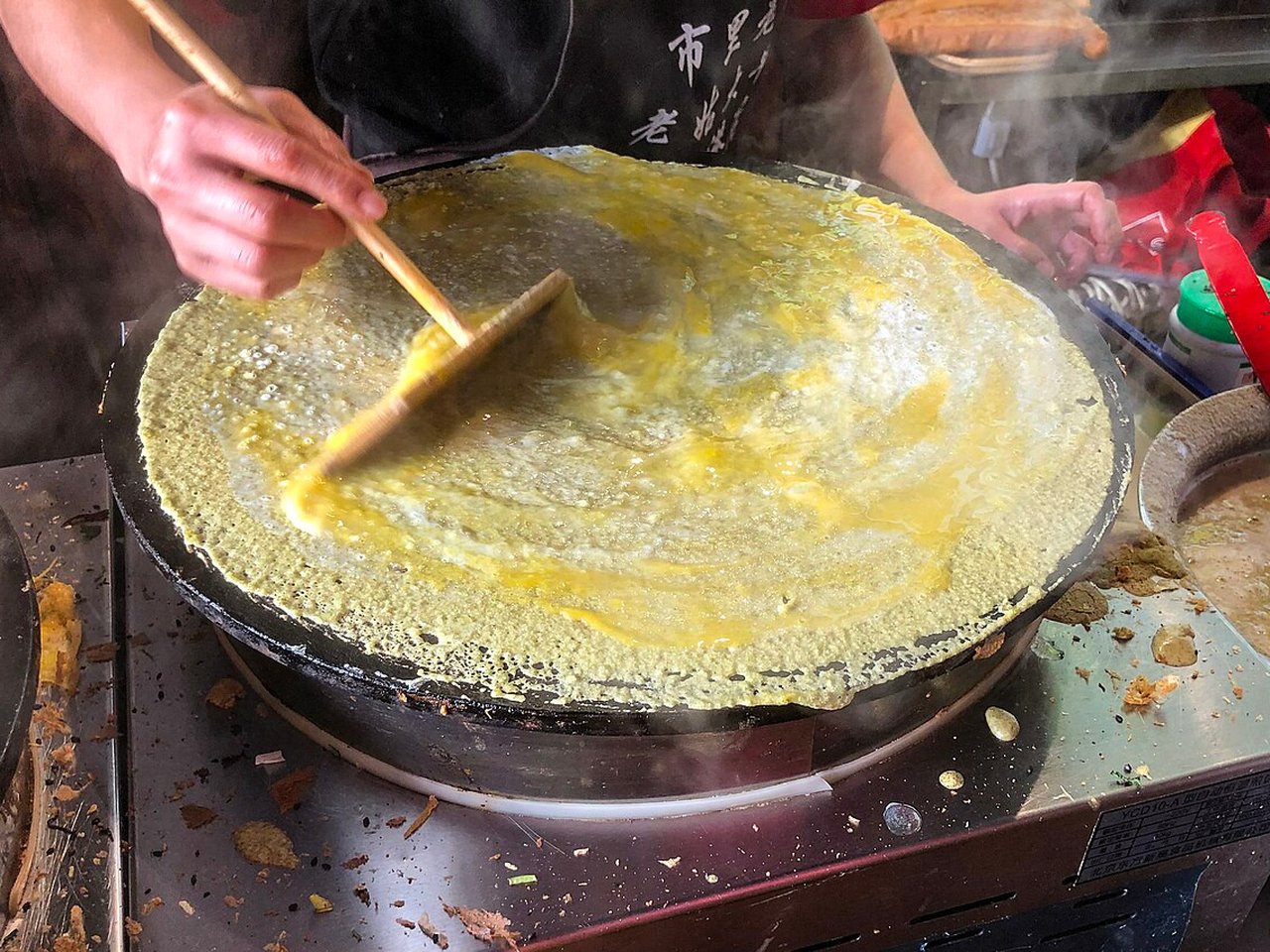
- Tianjin: jianbing guozi, a mung-bean crepe with egg and a crispy cracker. It is the city’s breakfast.
- Xi’an: roujiamo, cold-skin noodles, mutton-soaked bread, biangbiang noodles.
- Lanzhou: beef noodle soup. The old line is one clear, two white, three red, four green.
- Henan: stewed noodles, and a spicy morning soup.
Jiangnan: small and delicate
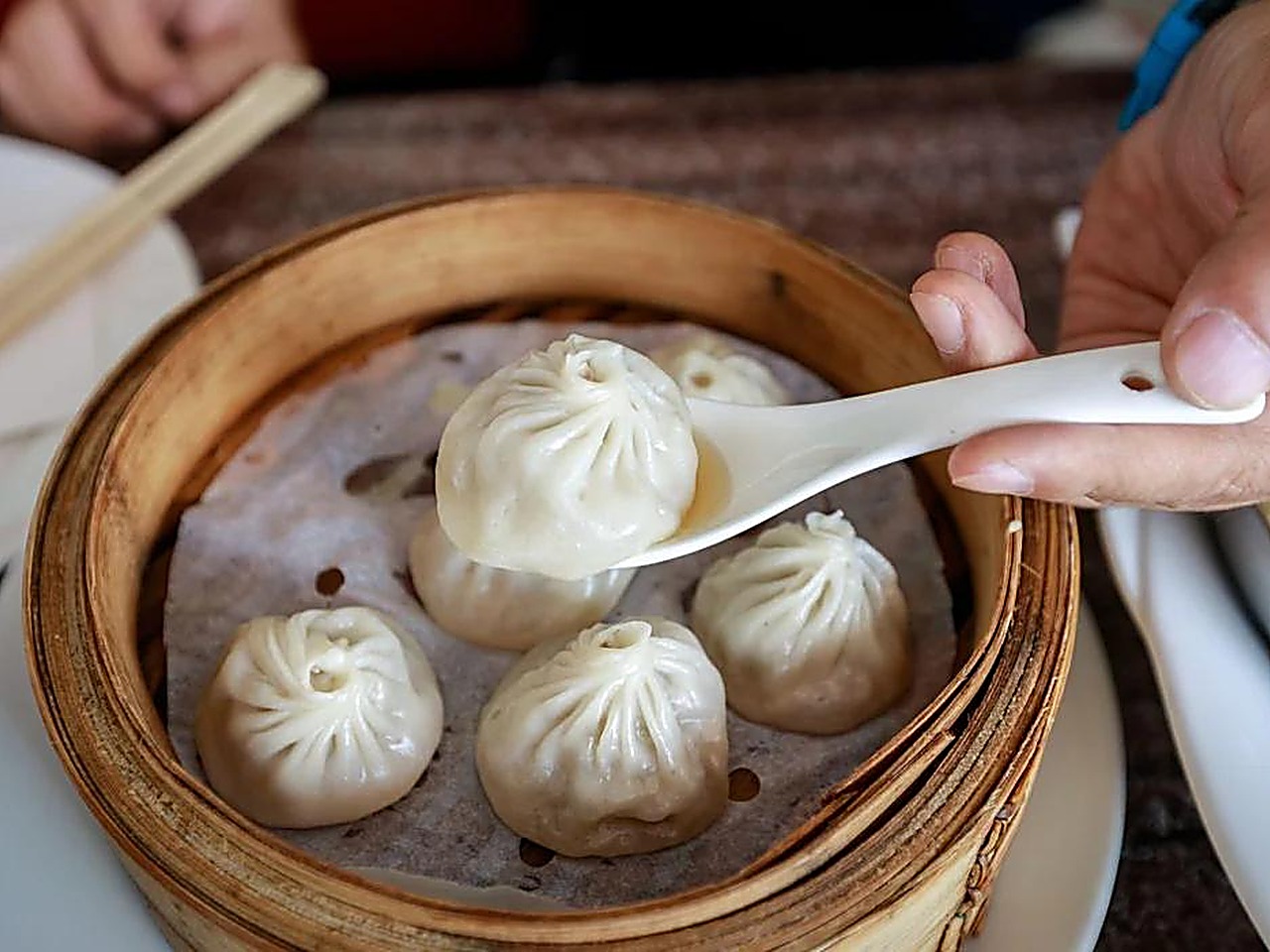
- Shanghai: pan-fried buns, xiaolongbao, scallion-oil pancakes.
- Nanjing: duck-blood vermicelli soup, salted duck.
- Suzhou: sweet rice porridge, osmanthus cakes, crab-shell pastries.
- Hangzhou: pian’erchuan noodles, scallion pancakes.
- Huizhou: hairy tofu, a fermented snack.
Center: spice and charcoal
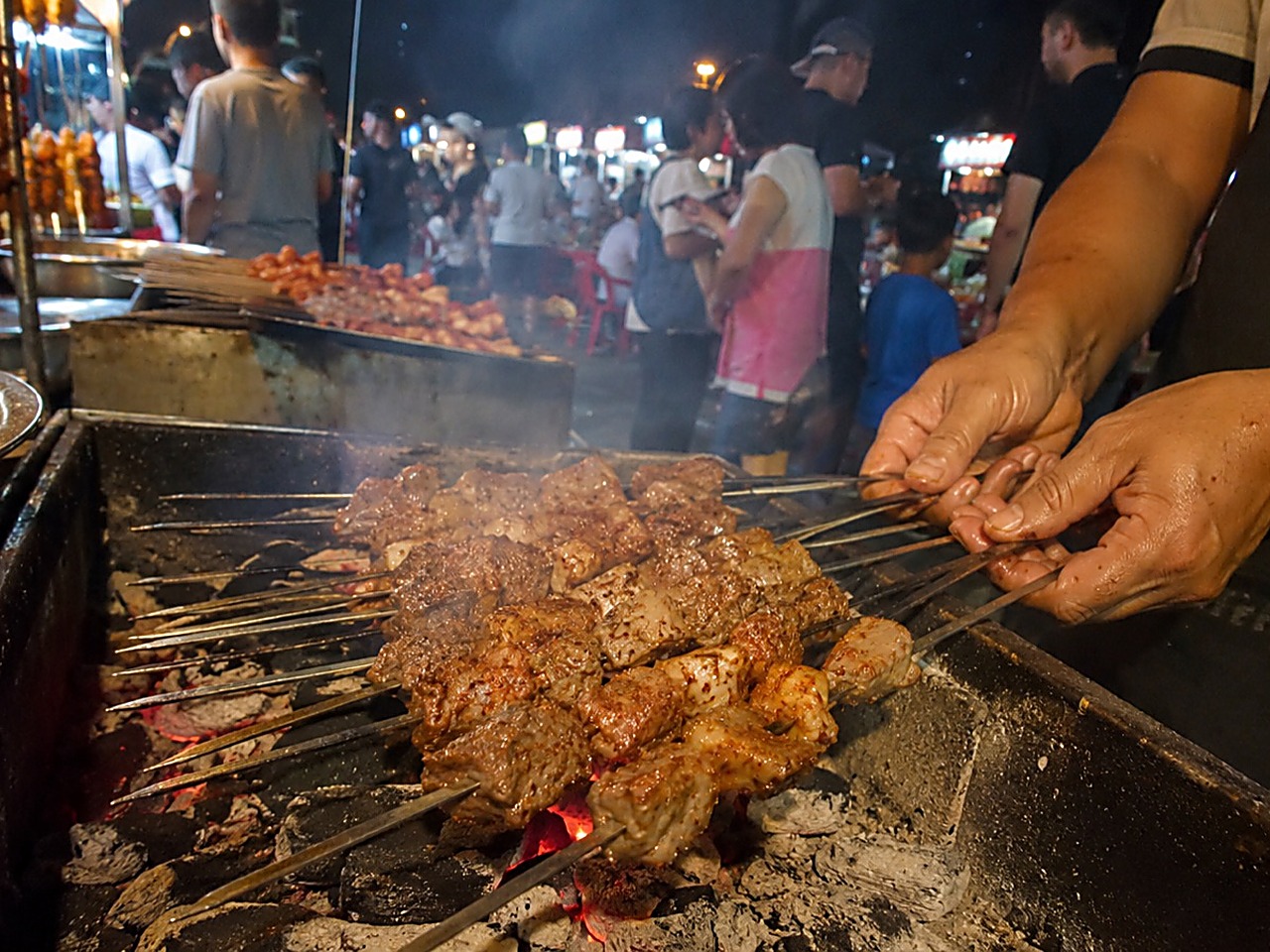
- Chengdu: skewers, dan dan noodles, wontons, egg-baked cakes, rabbit heads.
- Chongqing: xiaomian, and hot-and-sour noodles. The second heat after hot pot.
- Changsha: stinky tofu, sugar-oil baba, crayfish.
- Wuhan: hot-dry noodles, alkaline noodles in sesame paste. The breakfast is called guozao.
Southeast: fresh, and tea
- Guangzhou and Hong Kong: yum cha, boat congee, beef offal. Drinking tea is the meal.
- Chaoshan: beef hot pot, guotiao rice noodles, oyster omelets.
- Quanzhou and Xiamen: thin vermicelli paste, shacha noodles, sea-worm jelly.
- Guilin and Liuzhou: Guilin rice noodles, and Liuzhou river-snail noodles. The smell is the aroma.
Far west: beef and lamb
- Xinjiang: grilled skewers, naan, hand-grabbed rice, big-plate chicken.
- Tibet and Qinghai: tsampa, butter tea, yak.
Southwest: rice noodles and sour
- Yunnan: crossing-the-bridge noodles, steam-pot chicken, wild mushrooms, Dai barbecue.
- Guiyang: intestines-and-blood noodles, sour-soup fish, siwawa. Sour is the base note.
Noodles, rice, and bread
The staple map runs deeper than the cuisine map.
- Noodles, from wheat, are the north: Lanzhou beef noodles, Beijing zhajiangmian, Shanxi knife-shaved noodles, Shaanxi oil-splashed noodles.
- Rice is the south: rice at the center of the table, congee, and glutinous sweets. South of the Yangtze, the bowl is rice.
- Rice noodles go further south: Guilin, Liuzhou, Yunnan crossing-the-bridge, Hunan, Chaoshan. One strip, a different broth in each place.
- Baked bread is the northwest’s own: roujiamo, mutton-soaked bread, naan. Wheat taken from the pot to the oven.
Eight words cover most street choices: south rice, north noodles; rice noodles further south.
One table
Sichuan and Chongqing. Humid basin. Spicy and compound. Mapo tofu, hot pot. Best for spice lovers and a lively table.
Shandong. Plains and coast. Salty, savory, hearty. Scallion sea cucumber, nine-turn intestine. Best when you want the meal classic and solid.
Cantonese. Lingnan and two seas. Clear and fresh. Yum cha, white-cut chicken, roast meats. Best for families and for anyone limiting spice or ingredients.
Jiangsu, Huaiyang. Water towns. Gentle and precise. Lion’s head, squirrel fish, wensi tofu. Best for a delicate table.
Fujian, Zhejiang, Hunan, Anhui. Sea, Jiangnan, and mountains. Fresh, light, hot, or cured. Buddha Jumps Over the Wall, West Lake vinegar fish, chili fish head, stinky mandarin fish. Best when you want one region in depth.
Street snacks. The street itself. Jianbing, hot-dry noodles, xiaolongbao, crossing-the-bridge noodles, snail noodles. Best for a short stop.
Noodles, rice, and bread. The north-south divide. Lanzhou beef noodles, Guilin rice noodles, roujiamo. Best when you are still learning the table.
How to eat it on the trip
Match the meal to the route. Do not collect eight cuisines like stamps.
- Far west: Xinjiang skewers and naan, Qinghai beef and lamb, Xi’an roujiamo and mutton-soaked bread. Hearty, and a long way from the coast.
- North, Beijing and Xi’an: roast duck, zhajiangmian, mutton hot pot, mutton bread. One banquet, one street meal.
- Jiangnan, Suzhou, Hangzhou, and Anhui: a Huaiyang banquet, West Lake vinegar fish, xiaolongbao, osmanthus cakes. Delicate and soft.
- Southeast, Guangzhou, Chaoshan, Quanzhou, and Guilin: yum cha, beef hot pot, vermicelli paste, snail noodles. Fresh, and loud.
- Southwest, Chengdu, Chongqing, Kunming, and Guiyang: hot pot, xiaomian, crossing-the-bridge noodles, sour-soup fish.
- On a Yangtze cruise: the ship buffet is a rest for the stomach. Eat Chongqing xiaomian or hot pot before you board. Eat local food again after Yichang, or in the next city. Do not ask the ship to serve all of China.
At most one grand dinner a day, and book it. The other meals belong to streets and markets. Split the spice by table. Halal, vegetarian, and children’s meals go into the written plan. One night market and one morning market are enough. Do not fill the stomach twice in one day. Tomorrow’s Great Wall, or the gorges, matters more than one extra feast.
Before you write
We do not ask whether a restaurant is viral. We ask whether you want spicy, fresh, hearty, delicate, or different at every meal. Halal, vegetarian, allergies, and children’s tastes go into the written plan. Old shops, night markets, and morning markets follow the local hour, not a check-in list.
Send the month, the number of days, the party and the children’s ages, how much spice you want, any halal, vegetarian, or allergy need, and the one bite you would travel farther for. We will mark the city order, which market deserves an extra morning or evening, and which old shop has to be booked.
Chinese food is written by geography: Sichuan spice, northern heartiness, southern freshness, eastern delicacy. The cuisine names are labels. The snacks are daily life. One roujiamo, one bowl of hot-dry noodles, one steamer of xiaolongbao, and one plate of snail noodles are more honest than a ranking.
FAQ
Which great cuisines count? All of them, and none of them. Four is the old consensus. Eight is the usual widening. Ten and eighteen are later lists. Four words still beat the list: Sichuan spicy, North hearty, South fresh, East delicate.
Can the spice be turned down? Yes. Sichuan and Hunan kitchens routinely cook a mild plate or a plate with no spice. We split the table: adults at the hot end, children at the gentle end.
Are vegetarian and halal diners looked after? Yes, by region. Halal cooking is strongest in the northwest: Xinjiang, Lanzhou, and Xi’an’s Muslim Quarter. Vegetarian cooking is richest in temple kitchens and in Jiangnan. Tell us before the trip and we write it into the plan.
Are street snacks safe? A dirty stall is not automatically delicious. We use stalls where locals queue, the tables turn over, and you can see the cooking. On a private trip we move between a smoky old stall and a cleaner place locals trust.
What can children eat? Noodles, rice, congee, steamed buns, eggs, and fruit are the steady bets. Spicy dishes go to another table. Hot drinks or bottled water are normal. Chinese families travel this way with children, too.
What we recommend
Read Chinese Food for First-Timers when you want the mild order, the duck dinner, and the hot pot.
For the days around the meals, look at these.